
Debate Grows Over AI Regulation and Pace of Development Amid Safety and Defense Concerns

Illustration for: Debate Grows Over AI Regulation and Pace of Development Amid Safety and Defense Concerns
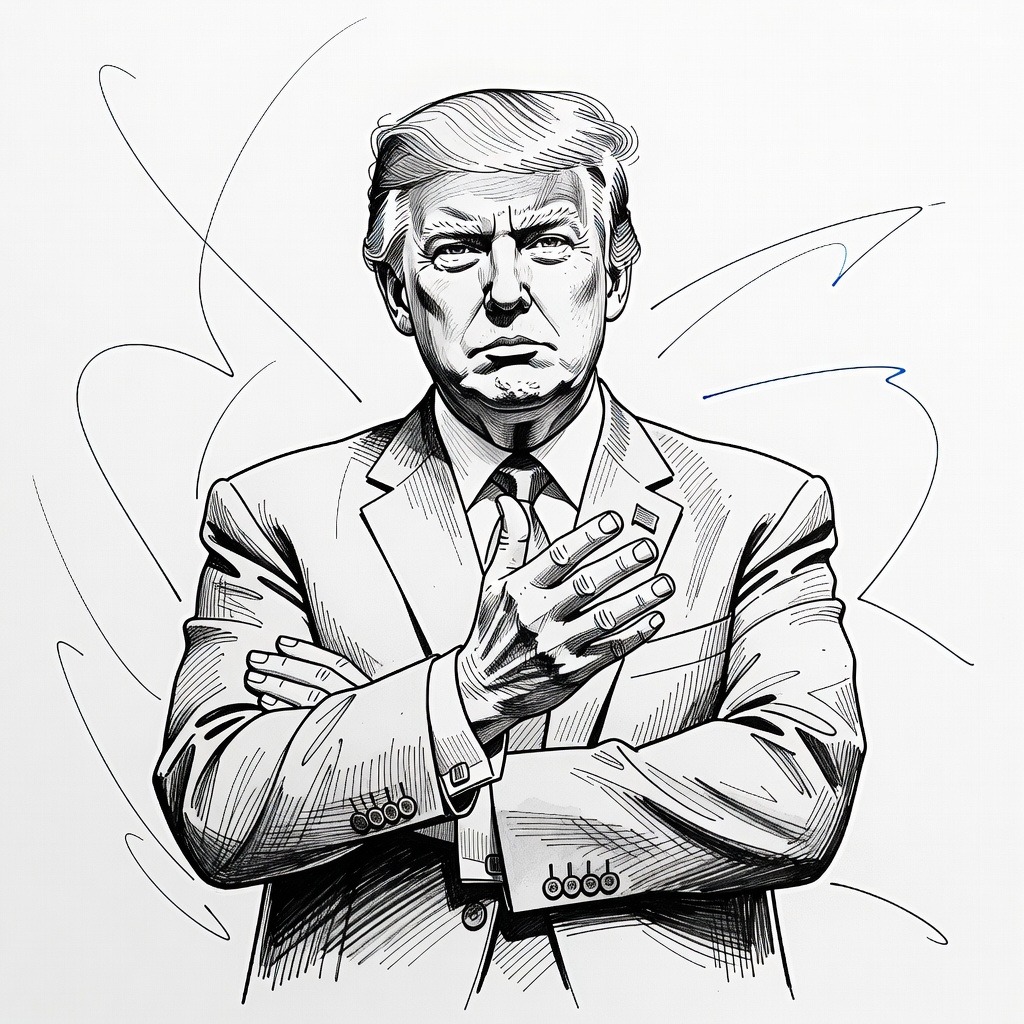
AI-generated illustration. Visual interpretation does not represent real individuals or scenes.

THE BARE STORY

Technology executives and United States officials are divided over whether to slow the development of artificial intelligence, balancing safety concerns against competition for global and military leadership.

Anthropic public policy head Sarah Heck stated on Wednesday that artificial intelligence firms cannot rely on an honor code to manage safety, calling for close collaboration with the government on oversight. Her remarks followed a proposal by Anthropic Chief Executive Officer Dario Amodei to intentionally moderate the pace of model development. The idea drew support from OpenAI Chief Executive Officer Sam Altman and SpaceX Chief Executive Officer Elon Musk. However, other industry leaders opposed an intentional slowdown, with Nvidia Chief Executive Officer Jensen Huang and Meta Chief Executive Officer Mark Zuckerberg arguing that safety measures can be managed without new regulations or industry-wide pauses.

Meanwhile, the Pentagon is accelerating the deployment of artificial intelligence across the military. Defense officials and President Donald Trump have rejected calls to slow research and deployment, arguing that delays could allow adversaries such as China and Russia to gain an advantage. Air Force Secretary Troy Meink and Pentagon digital officials stated that maintaining technological leadership is critical to military and economic security, while maintaining that humans will remain in control of the systems.

In Congress, lawmakers are weighing potential restrictions. Proposals in upcoming defense policy legislation aim to establish security standards and ensure human judgment remains central to autonomous systems. While some lawmakers view these proposals as a positive first step, others, including House Minority Leader Hakeem Jeffries and Senator Richard Blumenthal, have urged immediate and broader oversight to mitigate risks such as system intrusions and catastrophic harm.

Same Facts. Different Perspectives.

Two AI models. Two viewpoints. One factual foundation.

• Enforce Mandatory Regulatory Guardrails Public safety and systemic resilience require enforceable state oversight rather than voluntary industry pledges. Relying on an corporate honor code fails to protect society against severe vulnerabilities, system intrusions, and catastrophic hazards. Lawmakers like Senator Richard Blumenthal and House Minority Leader Hakeem Jeffries view comprehensive, binding standards as an essential shield to protect the public interest from uninhibited technological expansion.

• Moderate Pace to Ensure Stability Unchecked development outpaces the human capacity to construct adequate safety architecture and risk controls. Proposals by Anthropic CEO Dario Amodei, supported by figures like Sam Altman and Elon Musk, demonstrate that deliberate pacing is necessary to properly evaluate emergent risks. True technological progress cannot be measured solely by capability speed, but by whether institutions can reliably control and guide the tools they create.

• Limit Autonomous Defense Deployment Militarizing advanced systems without rigorous legislative checks creates unprecedented risks of escalation and operational failure. While defense officials assert that humans will remain in control, rapid military integration risks eroding meaningful human oversight under the pressure of strategic competition. Congress must establish binding defense policy standards to guarantee that human judgment strictly governs high-stakes autonomous operations.

How it may affect me

As a U.S. reader:

• You may see the nation's defense systems and deterrence against foreign rivals increasingly powered by artificial intelligence as the Pentagon accelerates military deployment while maintaining human oversight.

• Your exposure to potential technological vulnerabilities and system intrusions will depend on whether Congress implements binding security standards or allows tech companies to manage safety on their own.

• In the long term, the pace of domestic technological and economic growth could be affected by whether policymakers choose to intentionally slow development or support uninhibited private sector innovation.

Read the story at

Note: All TheBareNews content is AI-generated. For additional context, reporting, and updates, you are invited to explore the news outlets linked above.