
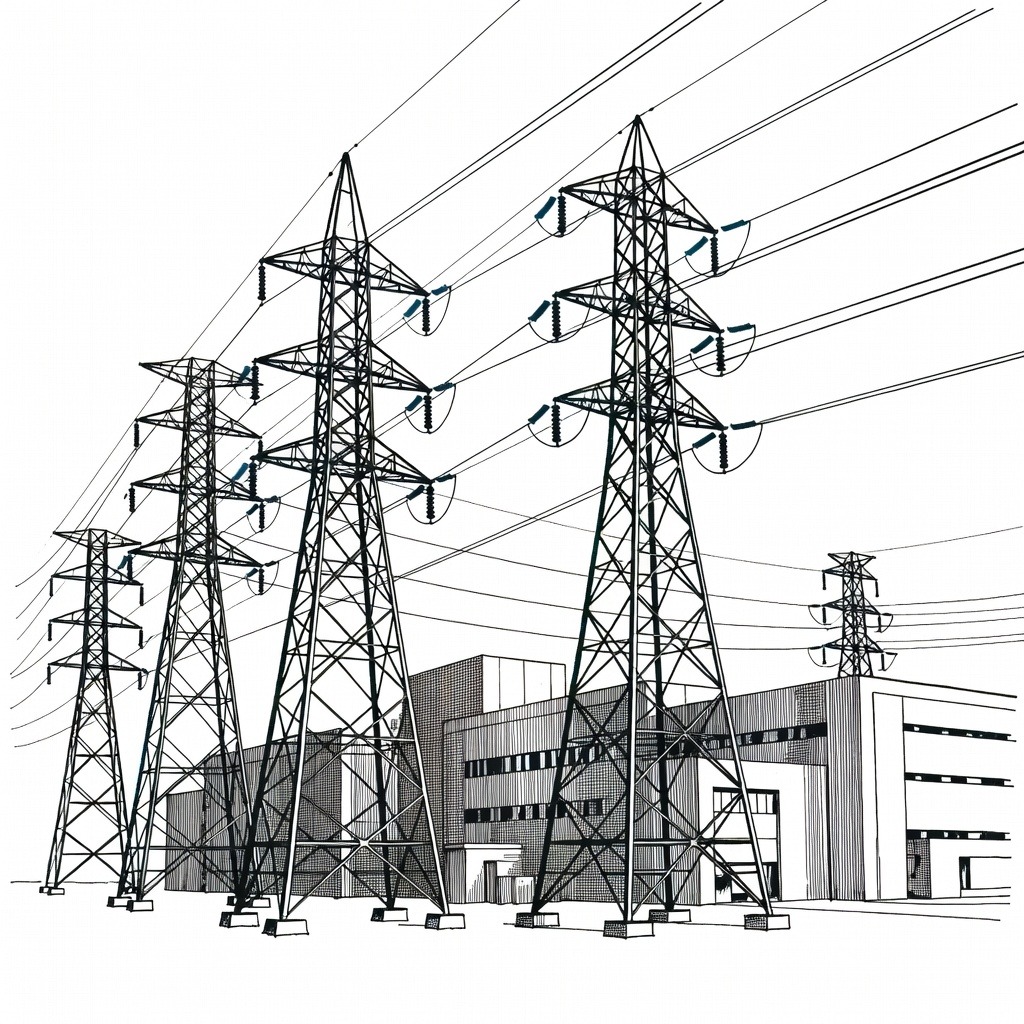
• Shield Households from Corporate Extraction Social equity demands that everyday citizens and small businesses are not forced to subsidize the immense resource consumption of massive corporations. Representatives like Kathy Castor backed the Ratepayer Protection Act specifically to prevent tech conglomerates developing energy-heavy artificial intelligence facilities from shifting generation and transmission upgrade costs onto residential ratepayer utility bills. Economic fairness requires that the entities extracting commercial profit bear the direct financial burden of their industrial footprint.
• Challenge Toothless Advisory Frameworks Voluntary standards and non-mandatory suggestions often allow deep-pocketed corporate interests to bypass accountability at the state level. Leaders like Senate Energy Ranking Member Martin Heinrich and House Minority Leader Hakeem Jeffries caution that merely asking states to consider federal guidelines offers zero guarantee that data centers will actually pay their full share. Real consumer protection requires binding, enforceable statutory mandates rather than aspirational state-level guidance.
• Expose Unaddressed Community Burdens Focusing narrowly on direct transmission pricing ignores the broader systemic stresses that rapid industrial data expansion places on local populations. As noted by House Energy and Commerce Ranking Member Frank Pallone, an imperfect first step risks leaving systemic resource strain and wider community impacts unmanaged. Policymakers risk leaving public infrastructure vulnerable to rapid technological disruption if comprehensive regulatory safeguards are not aggressively implemented.
How it may affect me
As a U.S. reader:
• You may be shielded from higher residential electricity and grid upgrade costs if your state adopts rules requiring large data centers to pay for their own power demands.
• Your actual utility rates may still vary depending on where you live, as the proposed measure offers voluntary guidance to states rather than an enforceable federal mandate.
• You may experience continued expansion of artificial intelligence and tech infrastructure, as the legislation avoids placing direct development bans or caps on the data sector.
• Your local community could still face wider strains on public infrastructure and resources, as the bill focuses narrowly on power pricing rather than broader industrial impacts.