
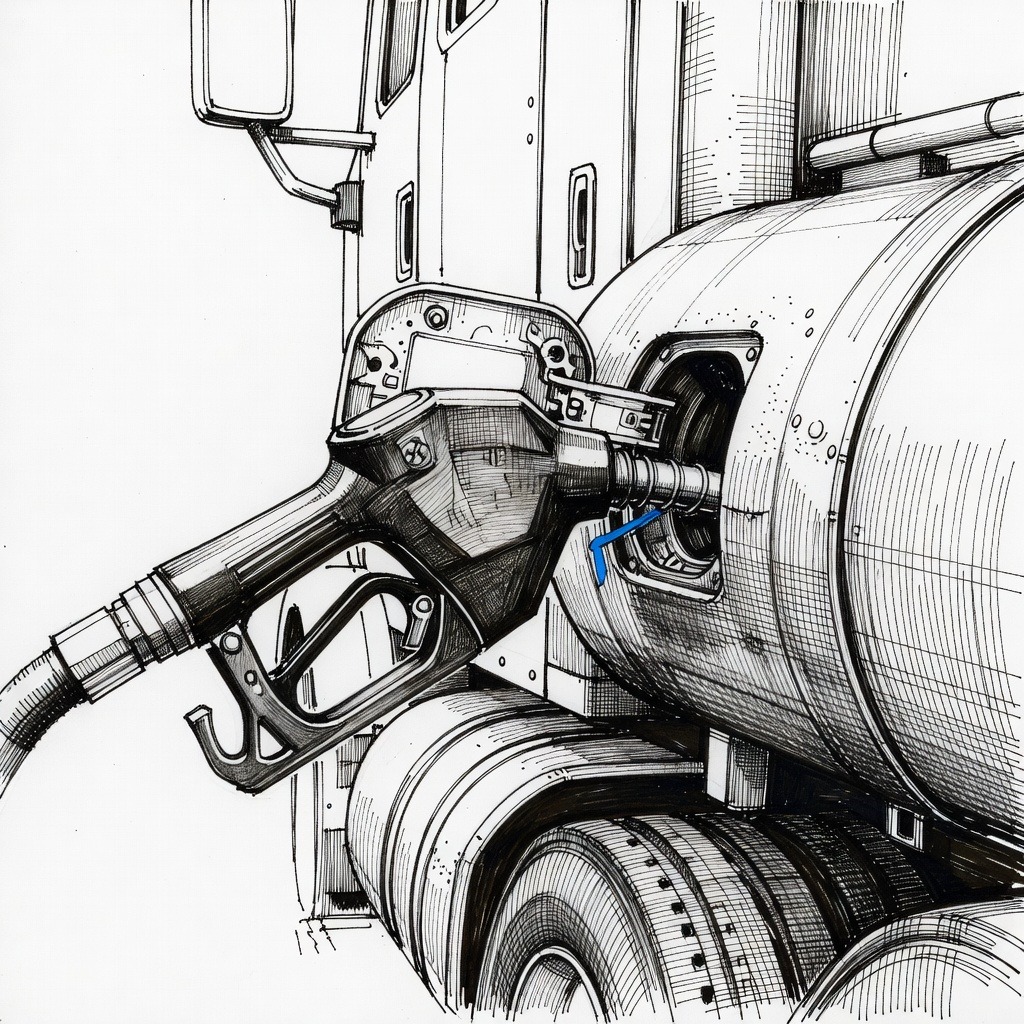
• Cascading Costs Squeeze Consumers Equitable economic health depends on shielding household purchasing power from regressive supply shocks. When national diesel prices surge over 70% to $6.31 per gallon—and exceed $8 in California—the primary danger is the inevitable transmission of transport costs into essential staples like wheat and corn during the autumn harvest. Corporate freight carriers ultimately pass these expenses downstream, forcing working families to bear the burden of rising food and goods prices.
• Exposing Foreign War Fallout Domestic economic stability cannot be separated from diplomatic choices, as fuel supply disruptions tied to the conflict with Iran directly penalize the public. This camp views foreign military entanglements as costly drivers of domestic inflation that destabilize essential energy supplies. Relying heavily on volatile fossil fuel supply chains leaves the broader public vulnerable to geopolitical shocks that erode basic living standards.
• Validating Essential Worker Compensation Logistics sustainability requires recognizing that human capital is foundational to the supply chain, not merely an expense to be minimized. The $25 million in sequential costs J.B. Hunt faces for driver recruitment, onboarding, training, and bonuses reflects necessary investments in a demanding labor sector. Treating fair worker compensation and recruitment as an operational headwind risks undervaluing the essential labor force required to keep national commerce moving.
How it may affect me
As a U.S. reader:
• You may experience higher retail prices for essential food staples like wheat and corn as elevated trucking and rail expenses during the harvest season work their way down the supply chain.
• Drivers and businesses face historically high fuel expenses, with national diesel averages reaching $6.31 per gallon and surpassing $8 per gallon in California due to conflict-related supply disruptions.
• If you are seeking employment in the commercial trucking industry, you may benefit in the short term from increased recruitment investments, training programs, and sign-on bonuses offered by freight carriers.
• Over the longer term, sustained operational and fuel costs on freight companies could reduce logistical capacity and investment, potentially causing broader supply chain bottlenecks.