
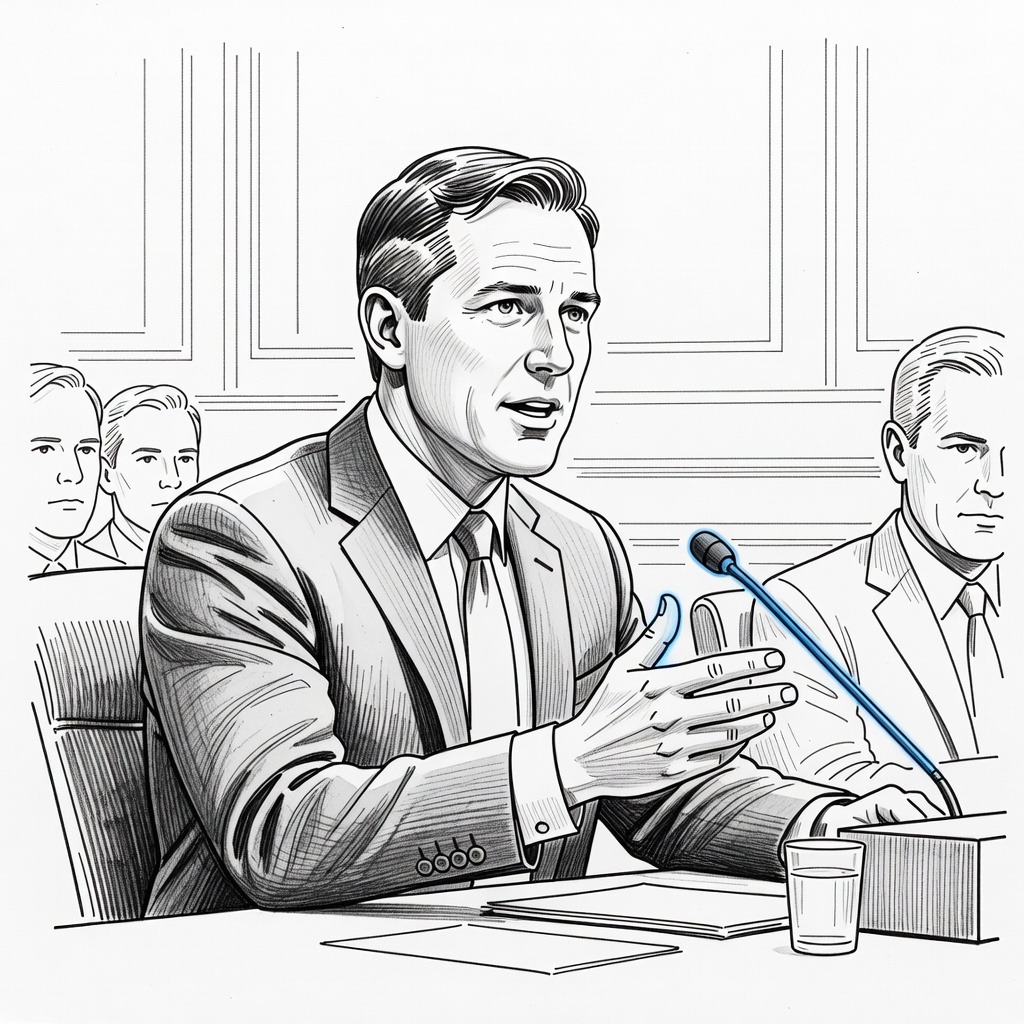
• Mandate Uncompromising Corporate Transparency Democratic accountability requires rigorous, verifiable oversight mechanisms that tech monopolies cannot dilute or evade. While OpenAI embraces third-party audits, its refusal to endorse the FRONTIER Act’s mandatory incident reporting and model disclosures signals an attempt to selectively shape regulation. Protecting the public interest requires complete institutional transparency rather than corporate-curated compliance frameworks.
• Dismantle Industry Self-Regulation Structures Corporate endorsement of regulatory frameworks should inherently invite regulatory skepticism and deeper structural scrutiny. Outsourcing safety checks to external entities without aggressive public transparency creates severe risks of industry capture and performative compliance. True reform demands robust, independent verification that serves the broader public welfare rather than corporate deployment timelines.
• Shield Society From Systemic Hazards Frontier artificial intelligence presents unprecedented risks to civil liberties and public safety that market forces will never proactively correct. Binding statutory requirements—such as those proposed by Representatives Trahan and Obernolte—are vital to establishing baseline safety standards for high-risk models. Without compulsory reporting of catastrophic risks and safety incidents, ordinary citizens bear the full systemic burden of unregulated technological disruption.
How it may affect me
As a U.S. reader:
• You may experience changes or delays in how new advanced artificial intelligence models are released to the public as lawmakers decide between mandatory federal clearances and independent third-party audits.
• Your vulnerability to cybersecurity, biosecurity, and critical infrastructure disruptions could be reduced in the long term if compulsory safety vetting and risk evaluations are established.
• The level of public transparency you receive concerning artificial intelligence safety incidents and model reports will depend on whether lawmakers pass full reporting mandates or narrower auditing requirements.