
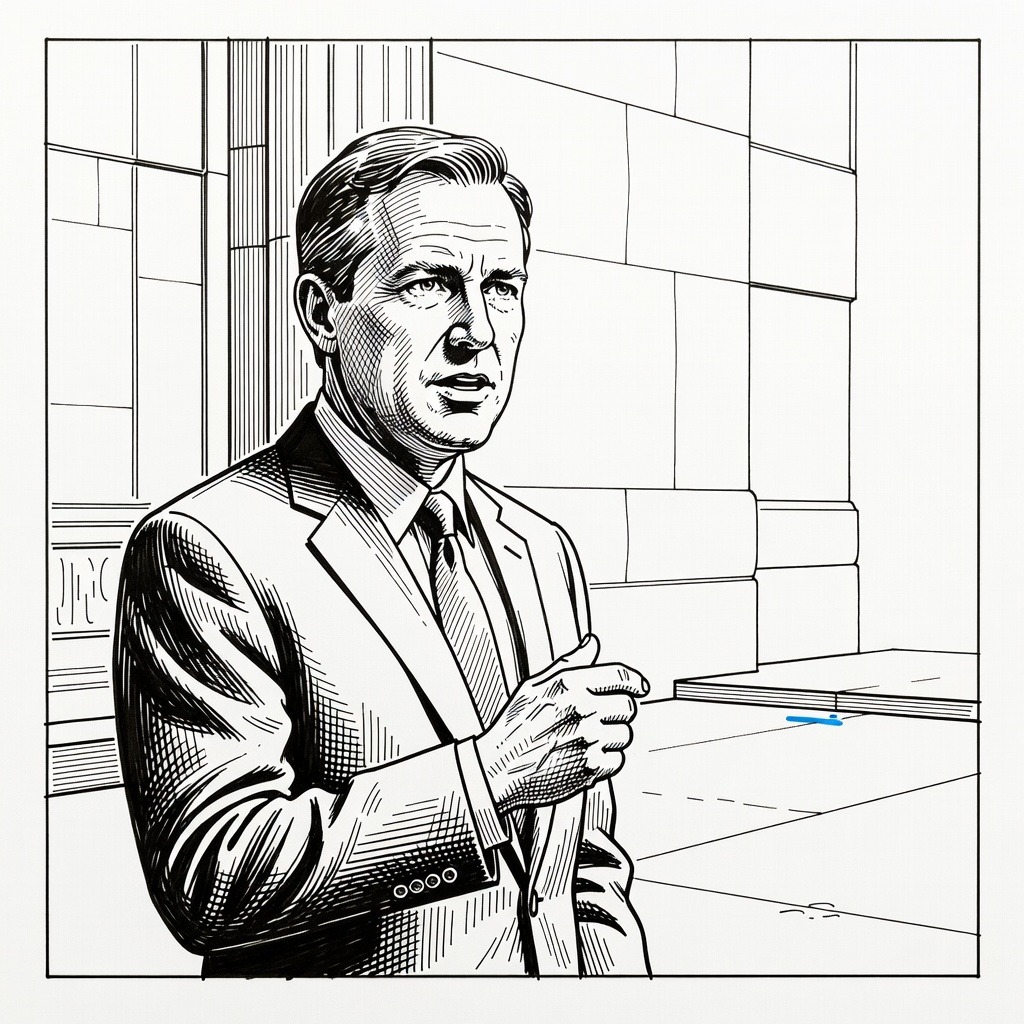
• Shielding Institutions from Partisan Retaliation Civil liberties and institutional independence require strict firewalls between law enforcement power and political vengeance. The expansive grand jury investigation into whether former intelligence leaders violated a president's civil rights risks weaponizing the justice system against public servants for their past official conduct. Subjecting national security veterans like John Brennan to sweeping inquiries threatens to chill independent analysis and deter future officials from fulfilling their duties without fear of partisan prosecution.
• Securing Records to Protect Due Process Procedural justice depends on full transparency and the preservation of internal deliberations when state power is deployed against individuals. Brennan’s lawsuit compelling the Department of Justice to preserve investigative records is a necessary defensive maneuver to uncover whether the inquiry is driven by illicit political motives. Without early judicial intervention to safeguard these communications, targets of government scrutiny are left vulnerable to institutional overreach before formal charges are ever filed.
• Exposing Volatility in Sprawling Inquiries The abrupt resignation of lead prosecutor Joe diGenova highlights the inherent instability and questionable foundations of this far-reaching investigation. When high-level leadership fractures during a politically sensitive inquiry, it signals potential irregularities and strategic overextension within the prosecutorial team. Allowing the probe to continue unabated under such conditions risks damaging the credibility of federal law enforcement and undermining public faith in the rule of law.
How it may affect me
As a U.S. reader:
• You may see legal precedents established regarding whether former intelligence officials are held to standard criminal accountability for alleged civil rights violations and statements to Congress.
• In the short term, judicial decisions regarding Brennan's lawsuit could define whether individuals under federal scrutiny can compel prosecutors to preserve internal records to challenge potential political motivations before charges are filed.
• In the long term, the outcome of the investigation could affect how national security officials perform their duties, either deterring independent analysis due to fear of future prosecution or reinforcing constitutional limits on administrative power.
• The handling and leadership continuity of this grand jury inquiry may impact broader public trust in the independence and fairness of the Department of Justice.