
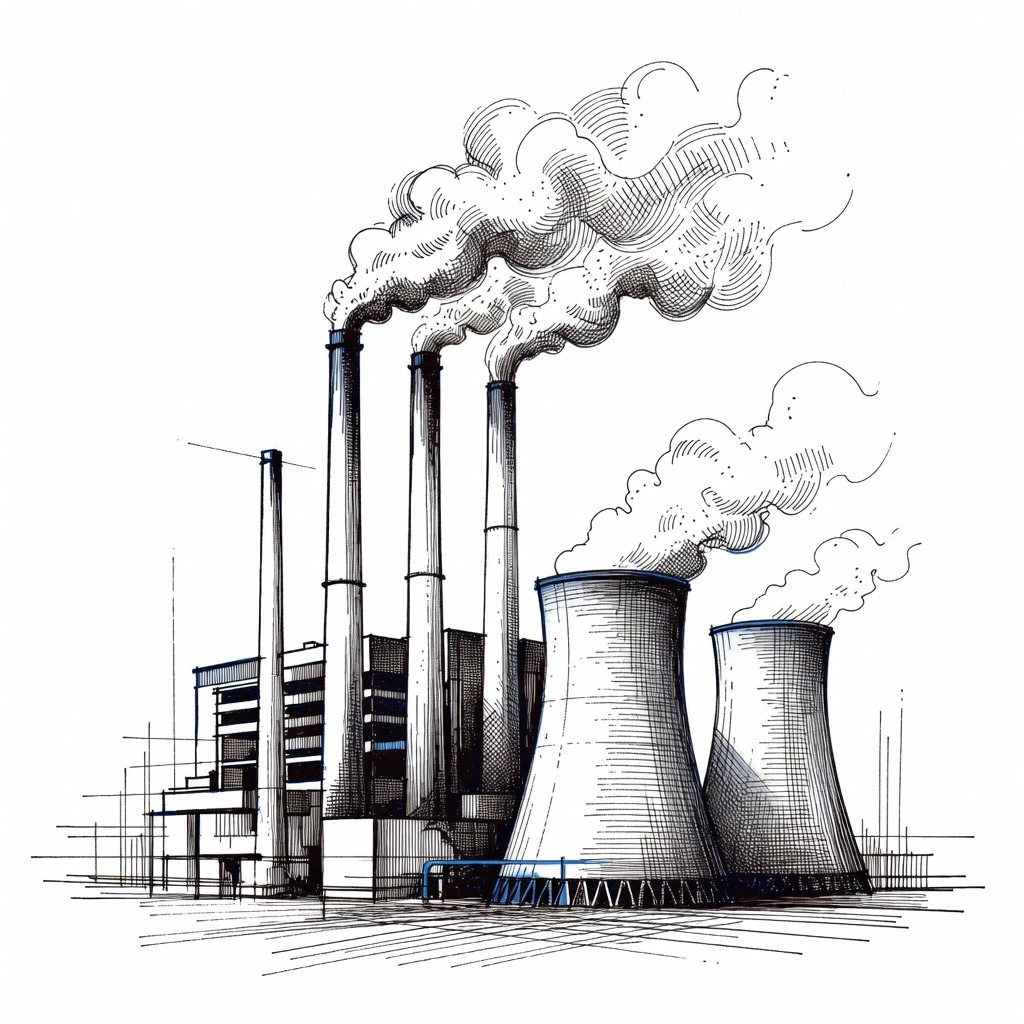
• Dismantling Vital Public Protections Environmental stewardship requires robust federal intervention to internalize industrial externalities and protect public health from systemic pollution. Stripping carbon reduction standards—including carbon capture requirements for coal and new natural gas facilities—effectively permits the nation’s second-largest source of greenhouse emissions to operate without adequate accountability. This deregulation sacrifices long-term ecological stability and community health to protect legacy fossil fuel producers from compliance costs.
• Abdicating Federal Regulatory Responsibility Administrative agencies bear a fundamental institutional duty to deploy statutory authorities like the Clean Air Act to mitigate major threats to public welfare. Reinterpreting the statute to deny federal jurisdiction over power sector emissions represents an abdication of governance that weakens state capacity to address national environmental crises. This institutional retreat shifts the burden of enforcement onto legal challenges brought by civil society organizations seeking to restore baseline standards.
• Entrenching High-Risk Climate Liabilities Artificially prolonging the lifecycle of aging, carbon-intensive infrastructure under the rationale of immediate cost reduction generates severe compounding risks. Delaying emissions cuts locks in obsolete generation technologies and intensifies climate impacts, ultimately transferring massive long-term economic and environmental damages onto the public rather than modernizing the energy sector.
How it may affect me
As a U.S. reader:
• In the short term, you may see lower or more manageable electricity costs because energy companies are no longer required to fund expensive carbon-capture technologies.
• You may experience greater power grid reliability and a reduced risk of energy shortages as coal and natural gas plants are kept open to meet rising electricity demand.
• Over the long term, you could face greater public health risks and compounded environmental or economic damages due to increased greenhouse gas emissions from power plants.
• You may observe continued uncertainty in federal energy rules as environmental groups challenge the regulation repeal in court.