
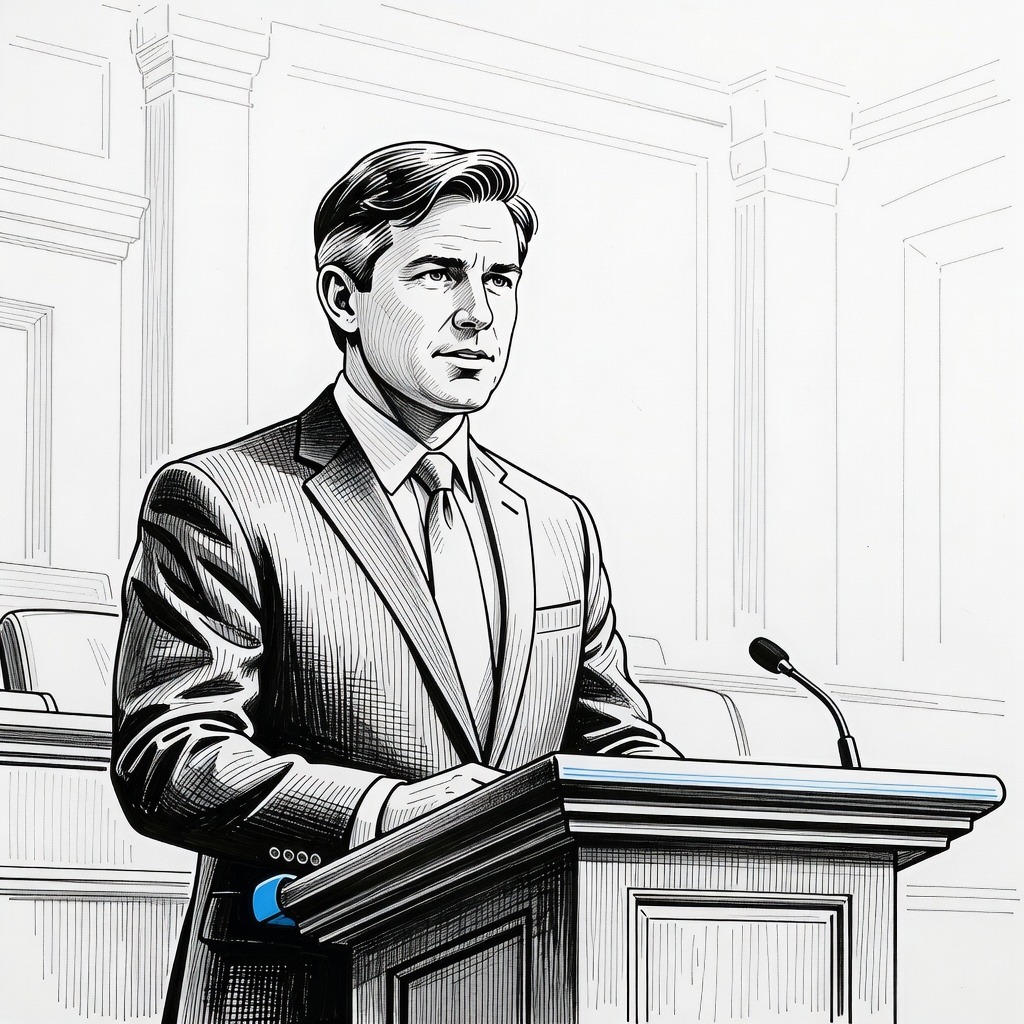
• Enforce Decisive Technological Guardrails Public welfare requires proactive legislative intervention before emerging technologies entrench systemic harms. Minority Leader Hakeem Jeffries’ call for decisive regulatory action reflects the view that artificial intelligence cannot self-regulate without risking civil liberties, algorithmic bias, and worker displacement. Establishing strict legal standards early creates enforceable accountability, ensuring that corporate tech expansion does not outpace public protection.
• Advance Institutional Oversight Priorities Legislative oversight serves as an indispensable tool to check institutional power and address long-standing structural equities. Scrutinizing emerging sectors like cryptocurrency, probing foreign aggression through Russia sanctions, and establishing equitable compensation rules for college athletes protect vulnerable participants from exploitation. Using committee platforms to elevate these issues ensures that lawmakers remain accountable to public interest concerns rather than entrenched corporate interests.
• Confront Perils of Legislative Deferral Relying on stopgap funding measures and delaying major defense and domestic spending negotiations until after the election represents a governance failure. Kicking essential budgetary decisions into a post-election session undermines institutional transparency and delays critical resources for public programs. Governance requires steady statutory resolve rather than tactical retreats that prioritize political self-preservation over structural reform.
How it may affect me
As a U.S. reader:
• In the short term, your access to federal programs and public services remains stable under a stopgap spending measure, though major long-term budget and national defense funding decisions are delayed until after the election.
• Future federal policies on artificial intelligence could alter your interaction with new technologies, potentially addressing risks around algorithmic bias, civil liberties, and worker displacement while balancing domestic innovation.
• Consumers and investors involved in cryptocurrency may eventually see changes in market protections and oversight as Congress examines new regulatory frameworks.
• If you are a college athlete, ongoing legislative proposals regarding compensation rules could establish new standards for how you are paid and protected.