
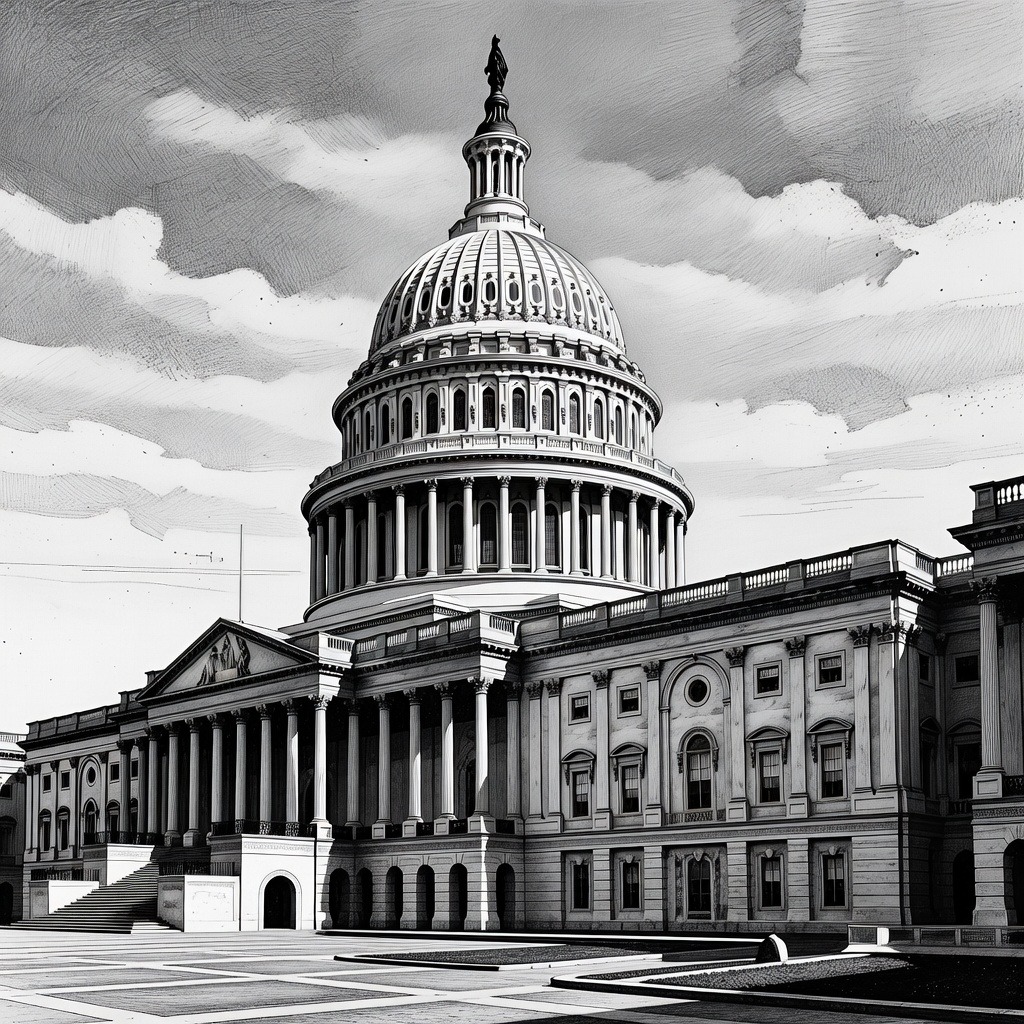
• Dismantle Transactional Democratic Corruption Democratic governance relies on public funds being allocated to advance collective welfare rather than partisan electoral interests. Conditioning a $5,000 direct payout on midterm election outcomes subverts institutional integrity by treating the federal treasury as an instrument of political patronage. When governance becomes explicitly transactional, economic policy decouples from public accountability and democratic norms. This mechanism erodes civic trust by transforming public stewardship into short-term electoral leverage.
• Prioritize Equitable Social Investment Targeted fiscal policy should address structural inequality rather than distribute uncoordinated, speculative windfalls. A $1.2 trillion cash distribution exceeds the combined cost of three pandemic-era stimulus programs without resolving underlying systemic disparities or funding vital public services. Allocating massive capital reserves based on voting outcomes rather than verified economic need distorts safety-net priorities. Sustainable prosperity requires predictable, equitable investment in communities rather than arbitrary, unfunded universal distributions.
• Defend Institutional Normative Safeguards Tying sovereign disbursements to partisan victory establishes a destabilizing precedent for constitutional governance. Subordinating federal spending decisions to electoral outcomes undermines the rule of law and degrades legislative accountability. Allowing the state apparatus to be leveraged for campaign incentives risks institutionalizing a cycle of governance by financial promise. Protecting institutional norms ensures that statutory budget allocations remain responsive to genuine public needs rather than partisan survival.
How it may affect me
As a U.S. reader:
• In the short term, American adults could potentially receive a direct $5,000 cash payment if the measure is enacted following the midterm elections.
• In the long term, the estimated $1.2 trillion cost could accelerate the federal government reaching its borrowing limit before 2027, which could impact broader economic stability and market confidence.
• Funding for existing public services and safety-net programs could be reduced if lawmakers require major federal spending cuts to offset the payments or negotiate future debt limit increases.