
• Revive Multilateral De-escalation Channels Sustainable security rests on structured dialogue and institutional consensus rather than retaliatory cycles. The postponement of the maritime security talks in Oman demonstrates the fragility of regional stability when diplomatic engagement is delayed by procedural stalemates. Without durable, multilateral agreements involving all regional stakeholders, critical transit corridors will remain permanently vulnerable to unexpected disruptions.
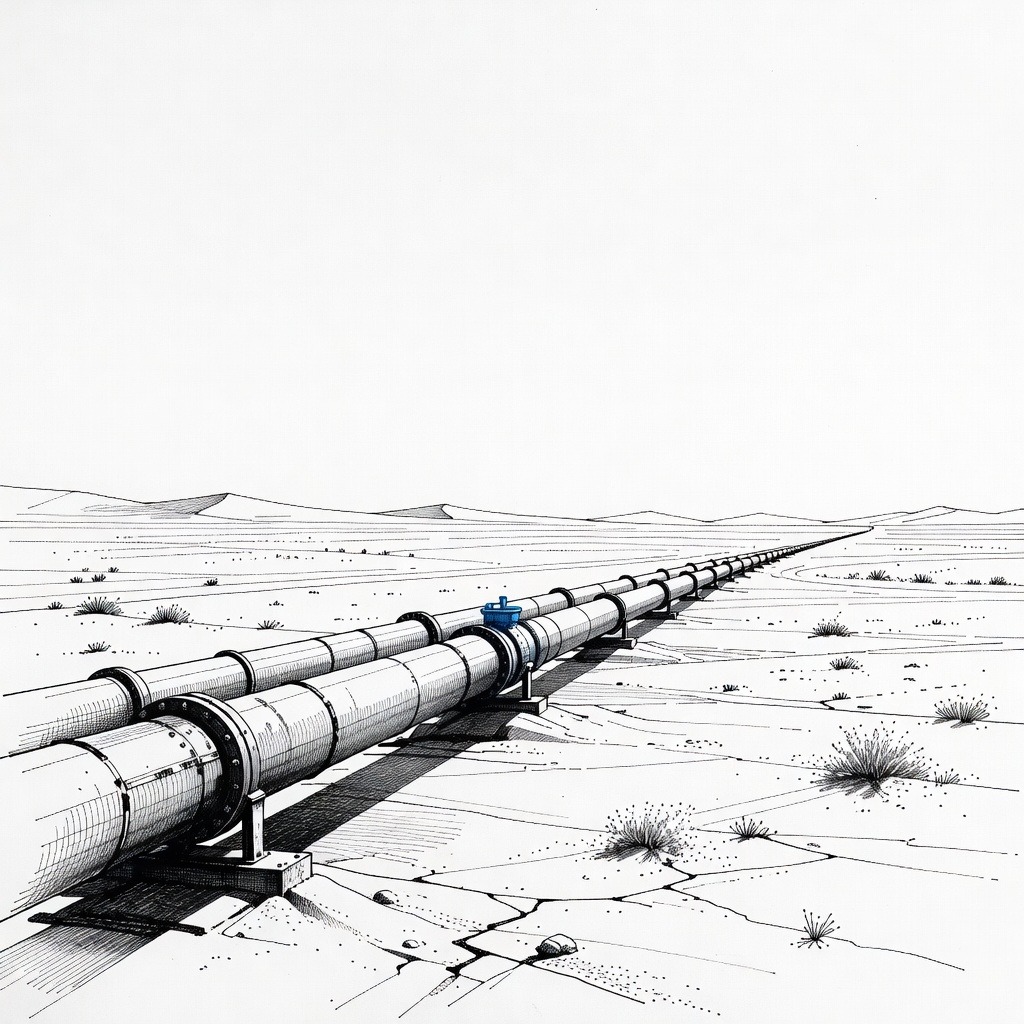
• Shield Consumers From Price Shocks Geopolitical instability imposes severe, regressive economic burdens on the broader public. With Brent crude reaching $109 and U.S. crude surpassing $103 per barrel, working households directly absorb the cost of infrastructure disruptions and market speculation. Relying heavily on centralized fossil fuel arteries like the 750-mile East-West pipeline exacerbates systemic economic vulnerability during times of regional crisis.
• Defuse Compounding Regional War Triggers Escalating armed friction risks triggering wider military entanglement and severe humanitarian fallout. The advance of Houthi forces into the port of Mokha near the Bab el-Mandeb Strait shows how unresolved territorial conflicts expand into global trade bottlenecks. Resolving these overlapping crises requires addressing root geopolitical tensions through international mediation rather than relying on reactive security measures.
How it may affect me
As a U.S. reader:
• You may face immediate price increases on energy as U.S. crude prices climb above 103 dollars per barrel due to global supply disruptions.
• Working households could see a direct economic burden as damaged pipeline infrastructure and market speculation increase daily living costs.
• Ongoing transit bottlenecks near key Red Sea and Persian Gulf shipping routes could cause broader supply chain disruptions and prolonged market instability.