
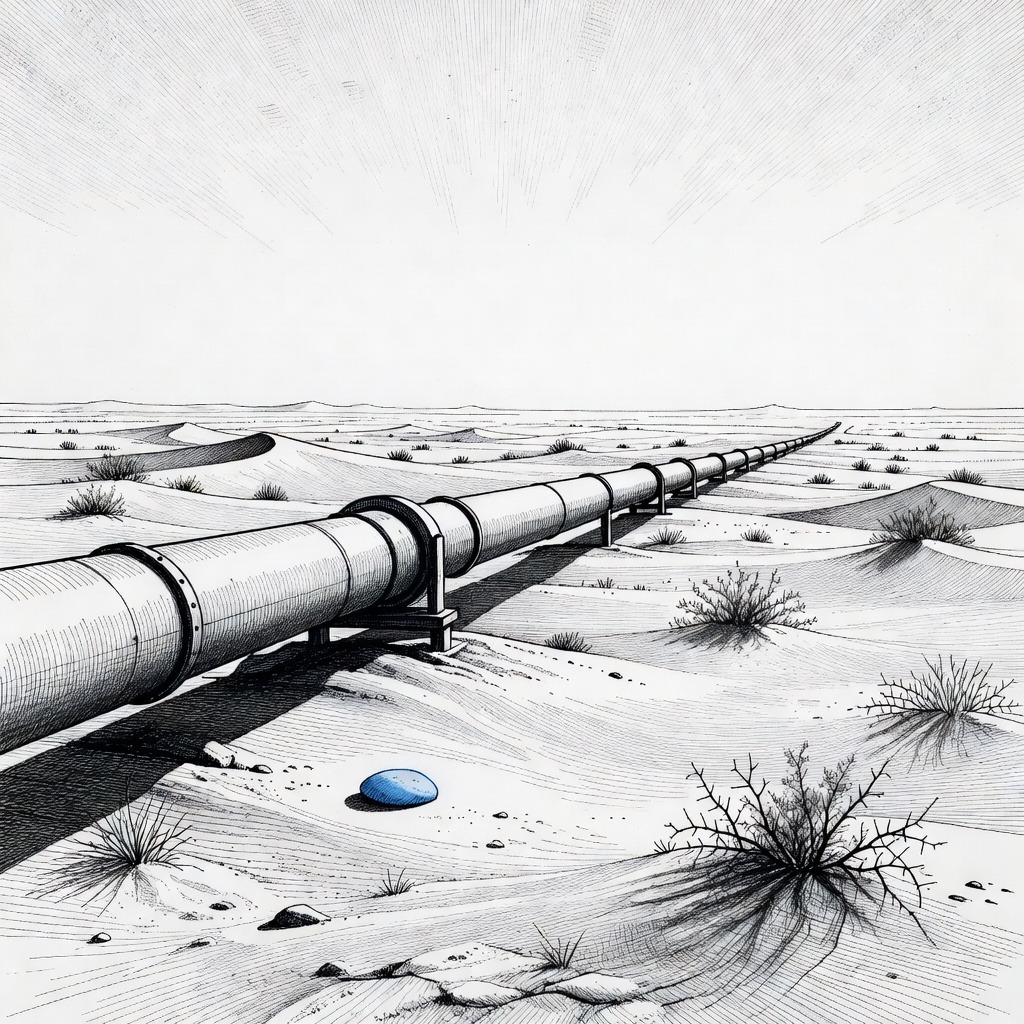
• Prioritize Measured Diplomatic Restraint Regional stability depends on breaking the retaliatory cycle through sovereign state cooperation rather than impulsive military counterstrikes. Riyadh's decision to pause kinetic retaliation against targets in Iraq creates vital diplomatic space for Baghdad to enact sovereign security measures within its own borders. De-escalating tensions at the state level prevents localized militant incursions from transforming into an uncontrollable interstate war across the Middle East.
• Dismantle Compounding Regional Drivers Militant proxy strikes are symptoms of broader geopolitical friction between major powers that cannot be solved through isolated tactical engagements. The intersection of US-Iran hostilities and persistent Houthi attacks near the Bab el-Mandeb Strait demonstrates that unilateral security measures fail to shield civilian and industrial assets. Lasting security requires addressing the root diplomatic conflicts rather than treating every infrastructure strike as a justification for wider militarization.
• Shield Civilians From Spillover Unchecked military escalations rapidly translate into severe economic and humanitarian burdens for civilian populations worldwide. With crude oil prices surging past $100 per barrel alongside reported injuries across the Riyadh and Medina regions, working-class consumers bear the immediate brunt of supply disruptions. Resolving transit corridor vulnerabilities through multilateral conflict resolution protects global living standards far more effectively than prolonged armed conflict.
How it may affect me
As a U.S. reader:
• In the short term, you face higher energy costs as crude oil prices climb above $100 per barrel following the shutdown of the 7-million-barrel-per-day pipeline.
• Working-class consumers may experience broader economic burdens on living standards resulting from global energy supply chain disruptions.
• Heightened military tensions involving the United States and Iran create risks of wider regional conflict and geopolitical instability.
• Over the longer term, persistent attacks on critical transit corridors like the Bab el-Mandeb Strait could cause enduring disruptions to international trade and fuel supplies.