
August Inflation Figures Bolster Expectations of Federal Reserve Interest Rate Hike

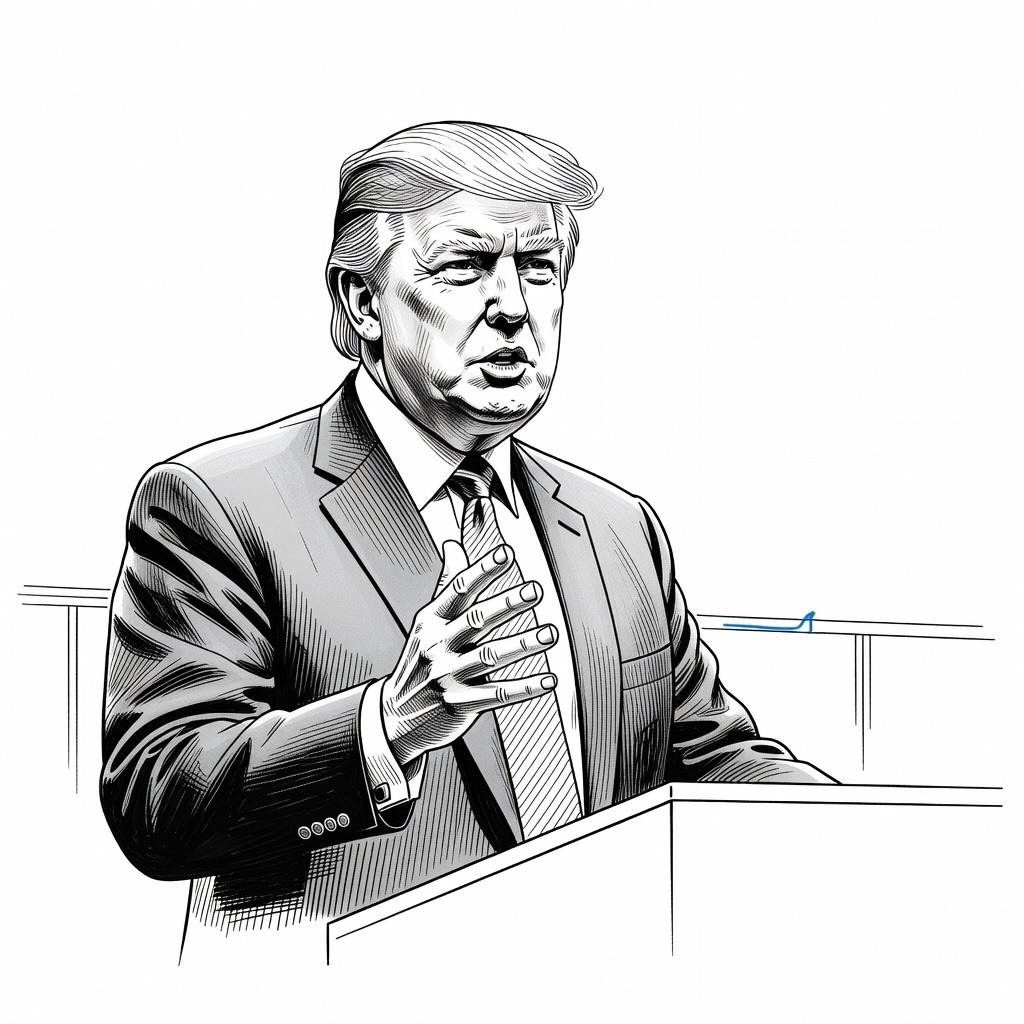
Illustration for: August Inflation Figures Bolster Expectations of Federal Reserve Interest Rate Hike
AI-generated illustration. Visual interpretation does not represent real individuals or scenes.

THE BARE STORY

The U.S. Consumer Price Index rose 3.4% on an annual basis in August, matching the pace recorded in July and remaining above the Federal Reserve's 2% target, according to data from the Bureau of Labor Statistics. Headline consumer prices increased 0.4% over the month, while core inflation, which excludes volatile food and energy costs, climbed 0.3% from the previous month.

The elevated inflation data was significantly driven by surging energy costs, with retail gasoline prices rising more than 27% from a year earlier. Economists noted that global price pressures have been heavily influenced by the war involving Iran, which restricted regional oil supplies and pushed crude oil prices to trade around or above $100 per barrel, simultaneously elevating fuel and transportation costs across the economy.

Following the report, market trading tracked by the Chicago Mercantile Exchange showed the probability of a 0.25 percentage point interest rate hike at the Federal Reserve's upcoming September policy meeting surged to nearly 90%, up from approximately 70% to 72% earlier in the week. If approved, the move would raise the benchmark federal funds rate to a target range of 3.75% to 4%.

U.S. Treasury yields held near multi-year highs as financial markets weighed the persistent price pressures. Central bank policymakers face differing perspectives ahead of the vote: Federal Reserve Chairman Kevin Warsh has stated that price stability remains paramount and that rate increases are necessary if inflation does not ease, while President Donald Trump has advocated for lower interest rates.

Same Facts. Different Perspectives.

Two AI models. Two viewpoints. One factual foundation.

• Shield Household Purchasing Power Working families bear the immediate brunt of systemic price increases, particularly when essential expenses like gasoline surge by over 27% annually. Raising interest rates to a range of 3.75% to 4% increases borrowing costs for ordinary consumers already strained by persistent 3.4% inflation. Tightening monetary policy reduces discretionary income without directly resolving the core commodity shortages driving the monthly index higher.

• Target Root Supply Disruptions Monetary tools are blunt instruments ill-suited for addressing geopolitically driven supply shocks, such as the conflict involving Iran that pushed crude oil above $100 per barrel. Cooling broader consumer demand does not drill new wells or secure foreign shipping lanes to lower fuel and transportation expenses. Policy must avoid penalizing domestic workers and small businesses for global resource constraints outside their control.

• Deter Unnecessary Economic Contraction Over-aggressive rate hikes risk suppressing economic activity and job stability at a time when headline prices are holding steady rather than accelerating. High Treasury yields already signal tightening financial conditions that raise the cost of essential capital investment. Prioritizing an arbitrary 2% target through monetary tightening risks triggering broader economic distress for vulnerable households without fixing global price drivers.

How it may affect me

As a U.S. reader:

• You face higher immediate daily living and commuting expenses due to a 27% annual rise in gasoline prices and broader transportation costs.

• An anticipated Federal Reserve interest rate increase to a range of 3.75% to 4% will lead to higher borrowing costs for household loans and consumer credit.

• Persistent 3.4% annual inflation continues to reduce household purchasing power and discretionary income.

• Over the longer term, higher interest rates aim to anchor price stability, though tighter financial conditions carry the risk of slowing broader economic activity and investment.

Read the story at

Note: All TheBareNews content is AI-generated. For additional context, reporting, and updates, you are invited to explore the news outlets linked above.