
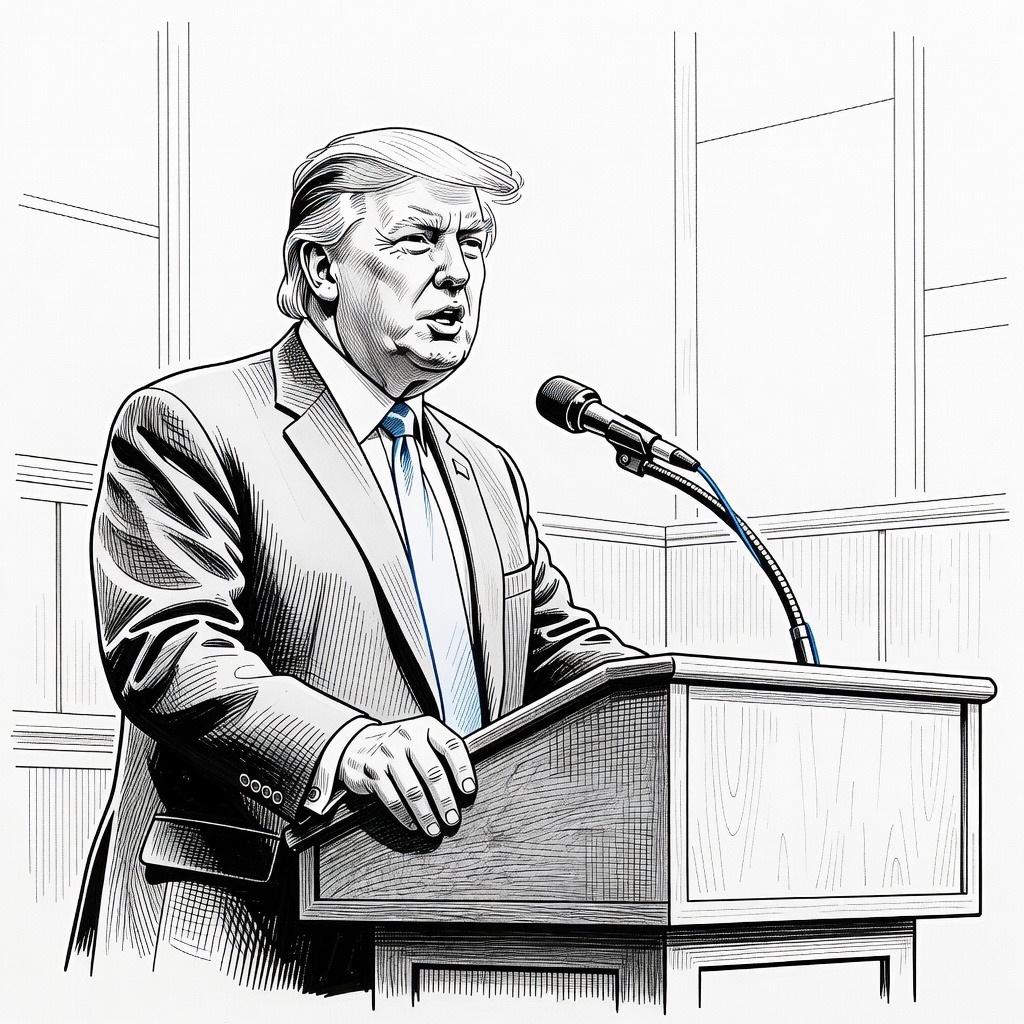
• Weaponizing Public Funds Politically Democratic integrity requires a strict boundary between state treasury operations and partisan electoral outcomes. Conditioning a $5,000 direct payout on voters preserving Republican control of both the House and Senate transforms federal policy into an explicit partisan incentive. This mechanism undermines democratic fairness by treating sovereign wealth as transactional leverage for legislative retention.
• Bypassing Core Separation Powers Institutional governance depends on the constitutional principle that the legislative branch retains sole authority over the power of the purse. Attempting to unilaterally distribute upwards of $1 trillion without congressional approval directly overrides established statutory checks and balances. Asserting that unilateral tariff revenues can fund massive entitlements without legislative consent sets a destabilizing precedent for executive overreach.
• Fueling Systemic Inflationary Pressures Sustainable prosperity requires disciplined fiscal policy that protects consumer purchasing power from sudden monetary shocks. Injecting more than $1 trillion in unvetted cash payments directly into the domestic economy threatens to reignite systemic inflation. The resulting price instability poses an immediate economic hazard, eroding the real value of wages across the broader public.
How it may affect me
As a U.S. reader:
• You could potentially receive a $5,000 cash dividend following the midterm elections if Republicans maintain control of both the House of Representatives and the Senate.
• You would be required to spend the distributed funds entirely within the United States, which would direct liquidity into domestic retail, manufacturing, and local businesses.
• You may face higher living costs and eroded purchasing power if the injection of upwards of $1 trillion in cash reignites domestic inflation.
• You might experience uncertainty regarding whether the payouts will occur due to questions and potential challenges regarding the president's legal authority to allocate funds without congressional approval.