
U.S. Diesel Prices Reach Record High Above $6 per Gallon Amid Global Supply Constraints

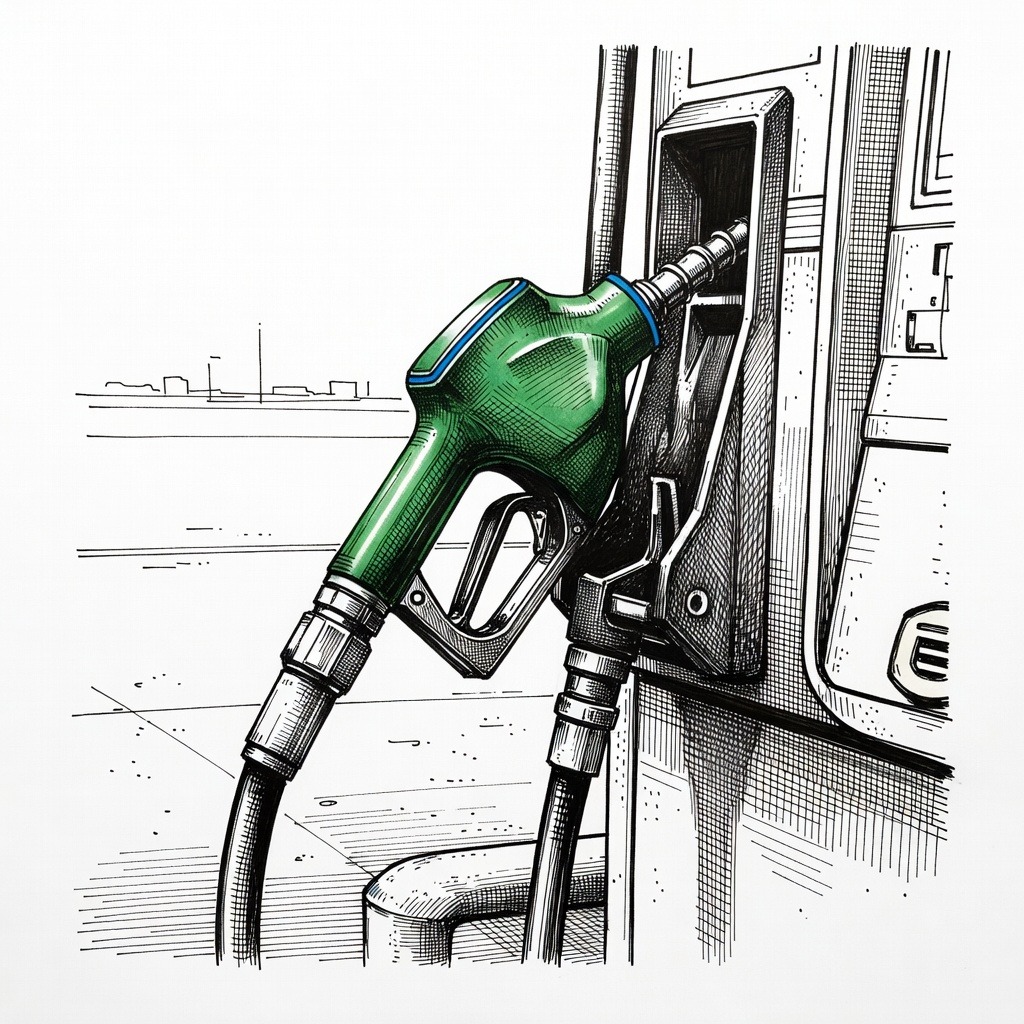
Illustration for: U.S. Diesel Prices Reach Record High Above $6 per Gallon Amid Global Supply Constraints
AI-generated illustration. Visual interpretation does not represent real individuals or scenes.

THE BARE STORY

The national average price for diesel fuel in the United States surpassed $6 per gallon for the first time on Friday, reaching approximately $6.05 per gallon according to tracking data from motor clubs and fuel analysts. The new benchmark represents a more than 60 percent increase compared to prices from one year ago, with regional prices climbing as high as $7.98 per gallon in California. Retail gasoline prices have also risen sharply.

The surge in fuel costs coincides with crude oil prices exceeding $100 per barrel, driven by international conflicts and disruptions to global energy infrastructure. Escalating hostilities involving the United States and Iran have created shipping bottlenecks in the Strait of Hormuz, while strikes on Russian refining facilities have reduced international refining capacity and curtailed diesel exports needed for heavy machinery worldwide.

Rising diesel expenses are placing increased financial pressure on commercial sectors, including freight transport, agriculture, and manufacturing. Economists and industry analysts noted that while businesses initially absorbed transportation expenses under existing supply agreements, higher shipping fees and logistics surcharges are increasingly being passed along to consumers, adding upward pressure on retail prices for food, household goods, and other everyday products. Analysts at S&P Global Energy indicated that global crude production is not expected to return to pre-conflict levels before the end of 2027.

Same Facts. Different Perspectives.

Two AI models. Two viewpoints. One factual foundation.

• Shield Households From Cascading Costs Protecting vulnerable consumers from unavoidable cost-of-living increases must take precedence during macroeconomic shocks. Because diesel powers basic freight transport and agriculture, surcharges are passed directly down the supply chain, inflating the price of non-discretionary goods like groceries and household essentials. When everyday citizens bear the ultimate cost of geopolitical turbulence, it deepens economic inequality and erodes baseline living standards.

• Dismantle Brittle Fossil Dependencies True economic security requires moving away from an energy system inherently tethered to volatile international choke points. Relying on global crude supply chains leaves domestic commerce vulnerable to overseas conflict, from Strait of Hormuz shipping disruptions to refinery strikes abroad. Accelerating the transition toward diversified, locally stable energy alternatives is the only permanent hedge against foreign supply shocks.

• Prevent Prolonged Regressive Inflation With market projections showing output constrained through 2027, unmitigated fuel inflation threatens a protracted transfer of wealth from workers to energy suppliers. If logistics and manufacturing sectors continuously offload their operating expenses onto consumers, real wages will steadily decline over multi-year horizons. Proactive policy intervention is required to prevent corporate supply networks from compounding broad-based consumer distress.

How it may affect me

As a U.S. reader:

• You will likely pay higher prices at the pump for retail gasoline and diesel fuel.

• You can expect immediate price increases on everyday household goods and groceries as companies pass elevated transportation fees and surcharges down to consumers.

• You could face prolonged cost-of-living pressures and declining real wages over the next several years, as global energy supply constraints are projected to persist through 2027.

Read the story at

Note: All TheBareNews content is AI-generated. For additional context, reporting, and updates, you are invited to explore the news outlets linked above.