
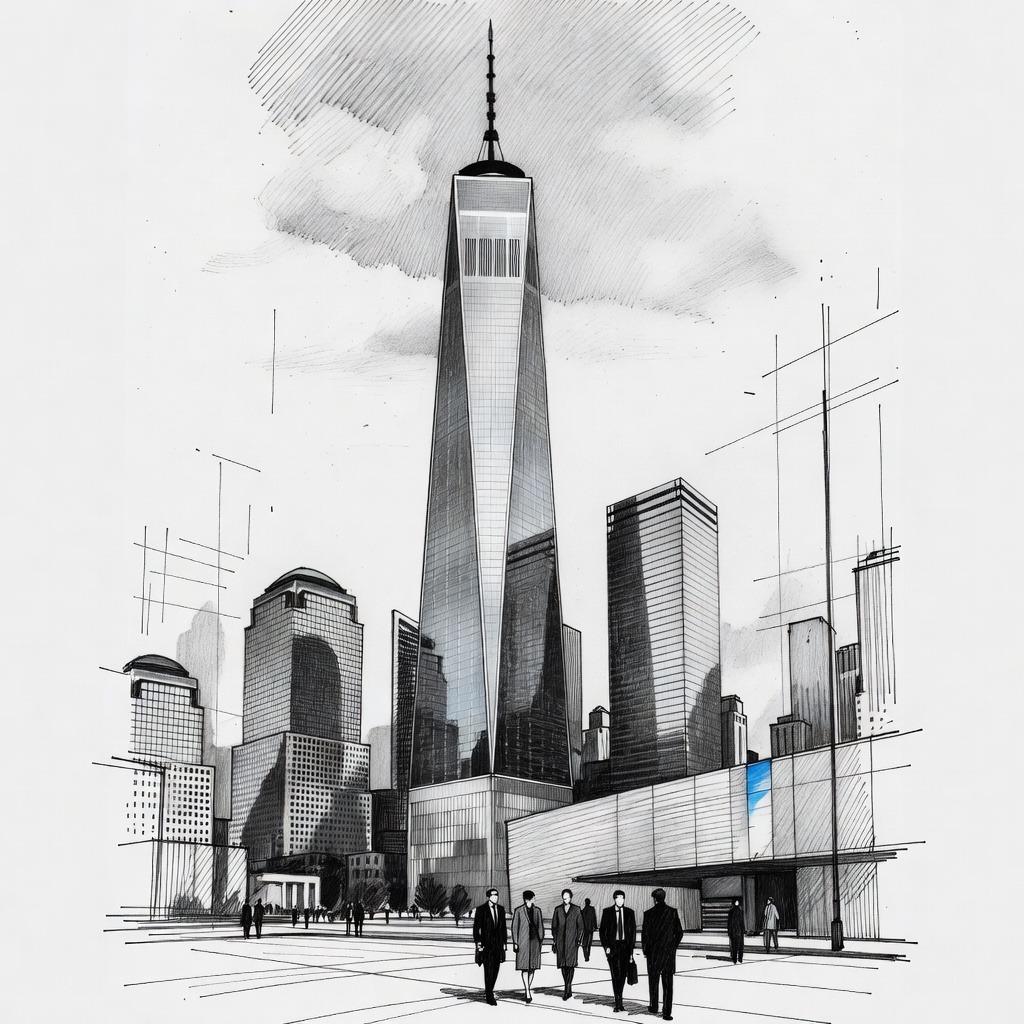
• Prioritize Ongoing Health Burdens Human welfare and systemic care must take precedence over celebratory architectural milestones. While skyline reconstruction signals physical renewal, tens of thousands of first responders and survivors still suffer from long-term toxic site exposure incurred during debris-clearing operations. Genuine civic progress is measured by enduring institutional support for the vulnerable rather than the completion of commercial towers.
• Cultivate Equitable Civic Spaces Urban recovery must serve collective community needs rather than elite commercial interests. Incorporating public transit infrastructure like the Fulton Center and World Trade Center Transportation Hub, alongside a dedicated performing arts center, democratizes urban space for all citizens. Redevelopment fulfills its democratic mandate only when it balances commercial real estate with accessible civic and cultural resources.
• Guard Against Symbolic Erasure Aesthetic remembrance must not substitute for sustained material accountability to impacted communities. Visual memorials like the Tribute in Light risk allowing institutions to perform mourning while deprioritizing the mounting healthcare costs of attack-related illnesses. The long-term danger lies in mistaking monumental architecture for comprehensive justice for affected workers and residents.
How it may affect me
As a U.S. reader:
• You have access to expanded urban transit infrastructure through facilities like the Fulton Center and the World Trade Center Transportation Hub.
• You can visit new and restored civic, religious, and cultural landmarks, including the 9/11 Memorial, a performing arts center, and the St. Nicholas Greek Orthodox Church.
• Affected first responders, local volunteers, and survivors require sustained healthcare resources to manage long-term illnesses from toxic site exposure.
• Businesses and employees experience restored commercial space and economic infrastructure within redeveloped sites like One World Trade Center.