
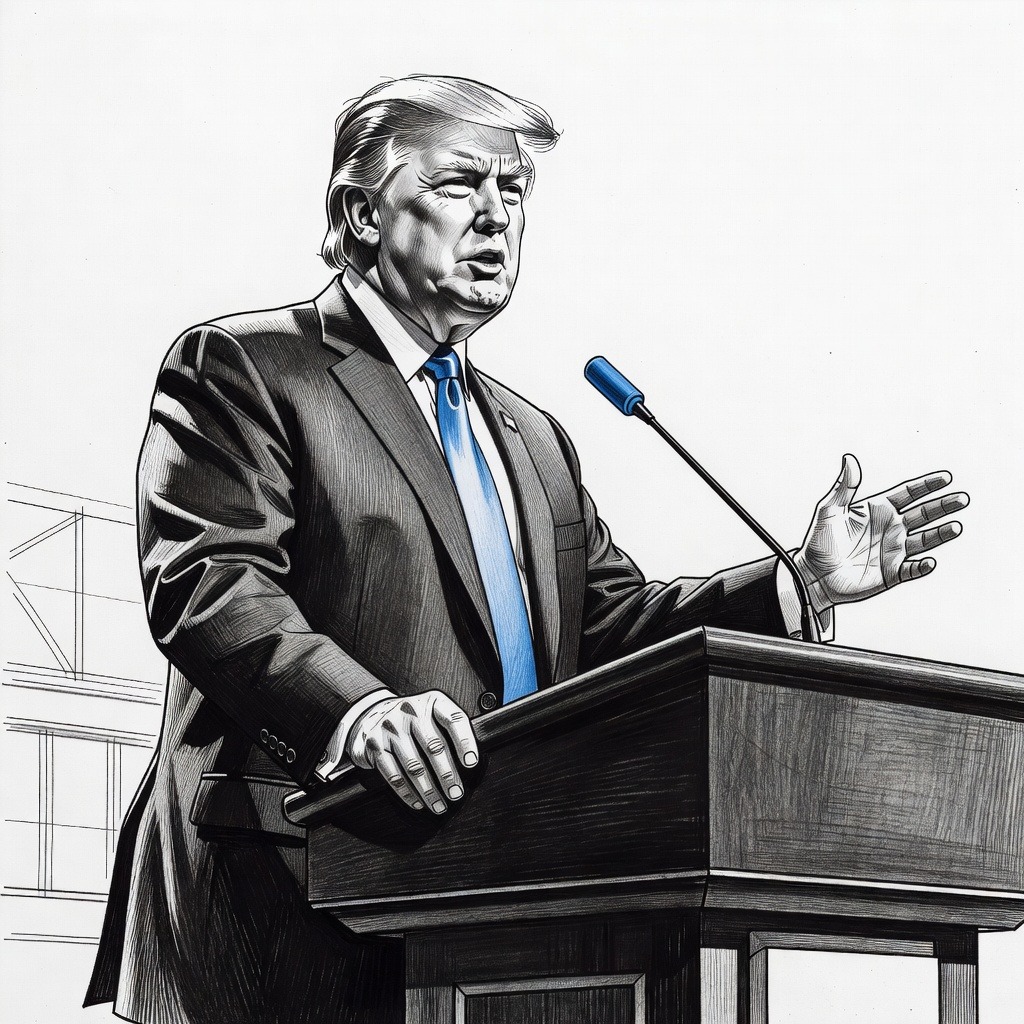
• Nationalizing Local Representation Democratic accountability relies on legislators remaining responsive to their unique local constituencies rather than top-down party figures. Staging high-profile presidential rallies across 35 swing districts risks subsuming nuanced community needs beneath a polarizing nationalized spectacle. This top-down mobilization strategy pressures local candidates to prioritize partisan loyalty over independent legislative representation.
• Deflecting Structural Economic Crises Economic security for emerging generations requires robust systemic reform rather than superficial policy adjustments. Framing youth outreach around conventional tax relief and traditional energy production fails to address the root drivers of the housing crisis and ecological degradation. Relying on market-based incentives and vocational tracks offers piecemeal relief while leaving broader socioeconomic inequalities unaddressed.
• Trivializing Critical Governance Debates Serious public discourse requires rigorous, transparent debate on complex domestic and international commitments. Blending vital matters such as foreign policy toward Iran and domestic energy strategy with lighthearted sports commentary reduces urgent policy decisions to political entertainment. This rhetorical approach threatens to distract the electorate from evaluating the concrete consequences of congressional governance.
How it may affect me
As a U.S. reader:
• In the short term, voters living in 35 closely contested swing districts may experience increased high-profile campaign rallies and heightened national focus on their local congressional races.
• Younger citizens and workers may encounter policy proposals focused on housing affordability, tax relief, and vocational skill acquisition intended to provide practical financial stability.
• The public could see broader debates and policy shifts surrounding domestic energy production, balancing goals of energy independence with long-term ecological concerns.
• Communities may be affected by proposed federal priorities concerning domestic border enforcement and diplomatic stances toward international adversaries such as Iran.