
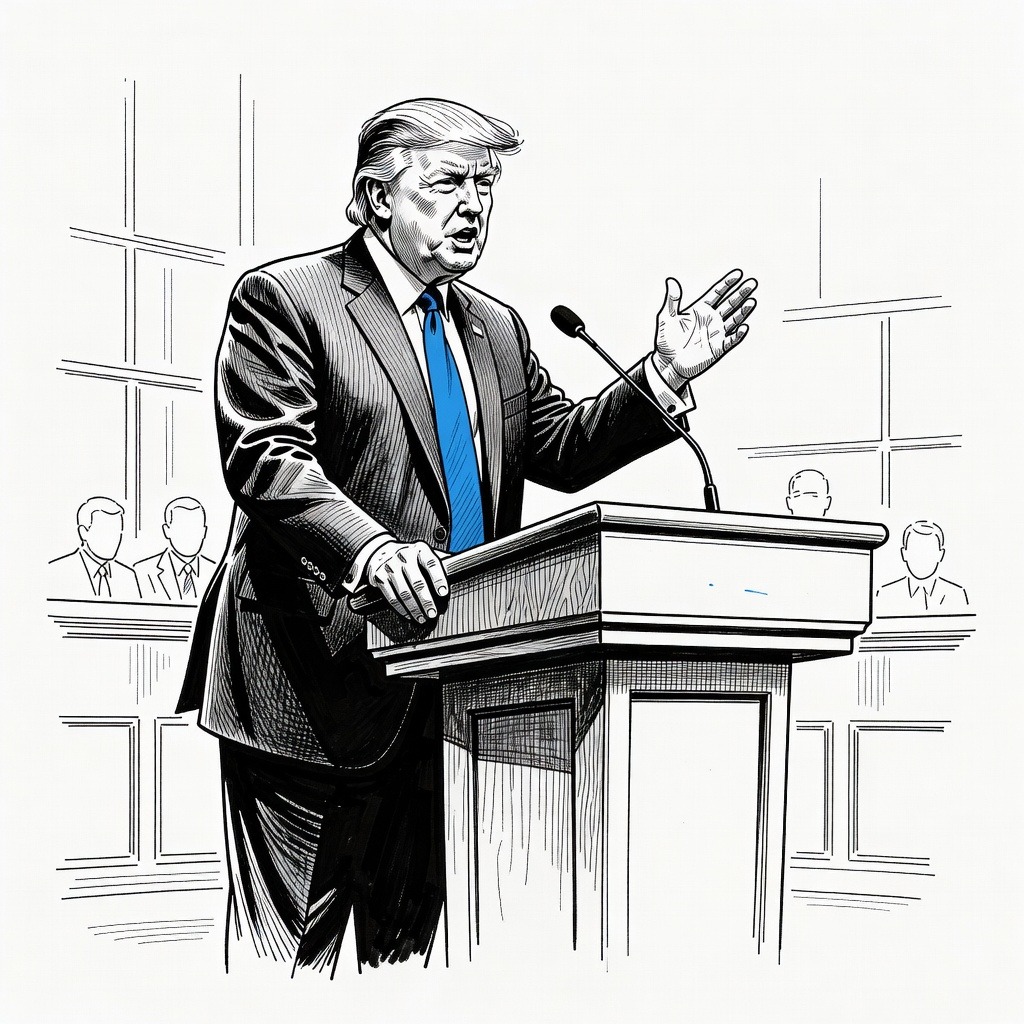
• Transactional Politics Distorts Democratic Norms Conditioning a $5,000 direct payout on a specific midterm election outcome reduces civic governance to an overt partisan transaction. This tactic exploits economic anxiety to secure political power rather than presenting a viable, institutional legislative program. As Democratic leadership noted, such promises function primarily as a rhetorical diversion designed to obscure deeper electoral vulnerabilities across competitive districts.
• Unfunded Direct Injections Threaten Stability Deploying an estimated $1 trillion into the consumer economy without concrete administrative authorization poses severe risks to the federal deficit and national debt. Vague financing mechanisms tied to foreign tariffs fail to provide a stable fiscal foundation and risk exacerbating consumer inflation. Distributing broad cash payments without structural economic reform ultimately weakens the financial security of the very citizens it claims to assist.
• Electoral Pledges Bypass Institutional Scrutiny Promising massive federal outlays without a defined legislative path circumvents standard congressional deliberation and fiscal accountability. Bypassing clear statutory processes undermines established governance norms and risks public disillusionment when structural hurdles prevent implementation. True public welfare requires transparent, enduring policy frameworks rather than speculative campaign pledges tied to election-day turnout.
How it may affect me
As a U.S. reader:
• You could potentially receive a direct payment of $5,000 if the Republican Party retains control of both the House and the Senate.
• Access to the proposed funds may be subject to future eligibility rules, such as work requirements currently under consideration by lawmakers.
• In the short to medium term, an influx of over $1 trillion into the consumer economy could increase inflation and raise living costs.
• Over the longer term, your financial environment could be shaped by the economic impact of foreign tariffs and increases to the federal deficit and national debt.