
Oil Prices Surpass $100 as U.S.-Iran Military Conflict Escalates

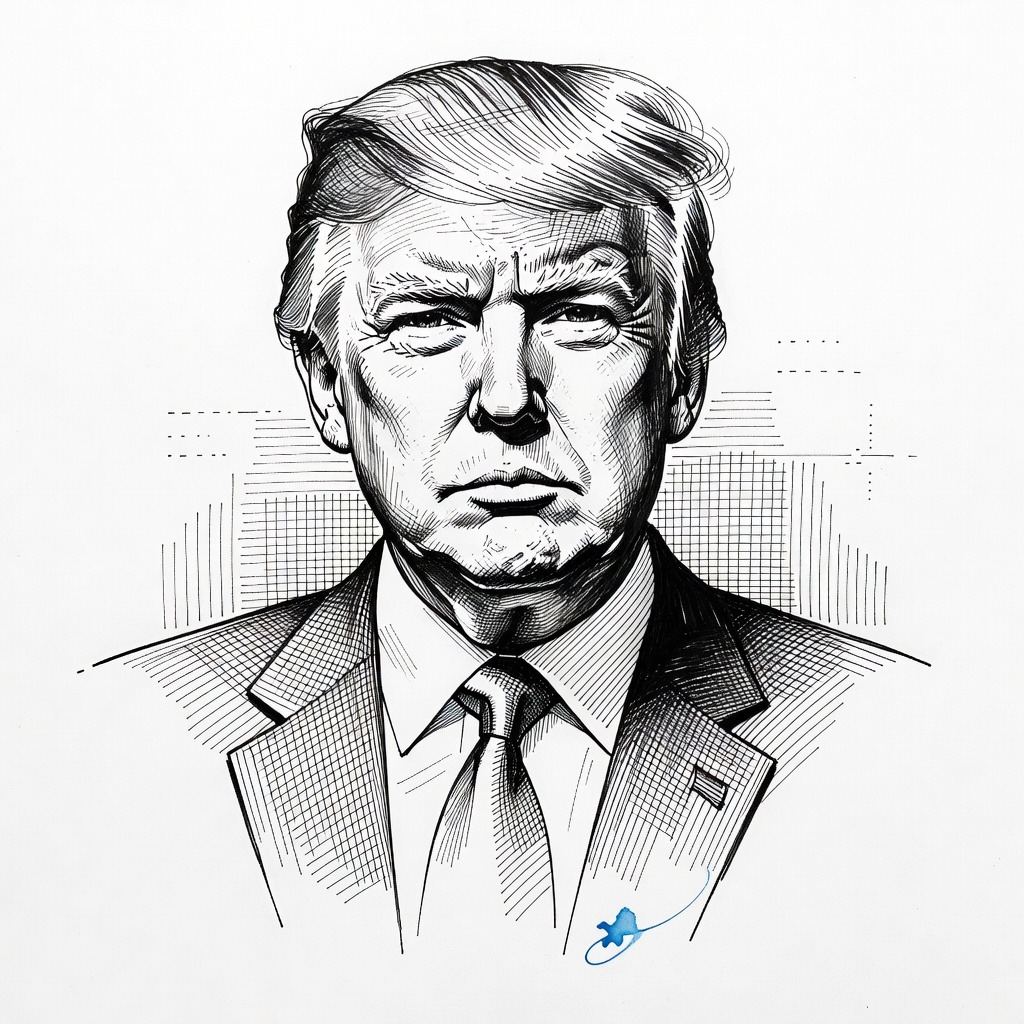
Illustration for: Oil Prices Surpass $100 as U.S.-Iran Military Conflict Escalates
AI-generated illustration. Visual interpretation does not represent real individuals or scenes.

THE BARE STORY

Crude oil prices surged above $100 per barrel as military clashes between the United States and Iran escalated in the Persian Gulf region, disrupting maritime security and raising concerns over energy exports. Brent crude traded above $105 per barrel while U.S. West Texas Intermediate rose past $100 per barrel, marking significant multi-month highs as the conflict entered its seventh month.

The market surge followed a series of direct military engagements. U.S. forces carried out strikes destroying Iranian crude tankers in retaliation for attempted attacks on an American warship. In subsequent overnight attacks, Iranian strikes hit the Muwaffaq Salti Air Base in Jordan, causing damage to an A-10 attack aircraft and light damage to several F-15 fighters, though no U.S. deaths were reported. Iran's Islamic Revolutionary Guard Corps claimed responsibilities for attacks targeting warships, tankers, and the base, while U.S. forces fired more than 30 Patriot missiles to counter the incoming fire.

Commodity analysts at Goldman Sachs warned that continued disruptions to shipping routes around the Strait of Hormuz could push crude prices beyond $120 per barrel if exports fail to recover.

Addressing the hostilities, President Donald Trump claimed that Iran is attempting to influence the upcoming midterm elections and asserted that the conflict would conclude shortly after the vote. However, U.S. officials stated that White House advisers have also discussed the possibility that the conflict could continue into 2029.

Same Facts. Different Perspectives.

Two AI models. Two viewpoints. One factual foundation.

• Defending Global Maritime Security Credible military force is the essential prerequisite for preserving freedom of navigation and international order. U.S. strikes destroying Iranian crude tankers represent a necessary, proportional response to direct attacks on American warships in the Persian Gulf. Allowing revisionist state actors or the IRGC to disrupt critical shipping corridors with impunity invites broader chaos across the global energy supply chain.

• Demonstrating Decisive Defensive Resilience Peace is preserved through overwhelming strength, defensive readiness, and force protection. The successful deployment of over 30 Patriot missiles to safeguard personnel and limit damage at the Muwaffaq Salti Air Base demonstrates superior operational capability. Maintaining resolute defense while absorbing asymmetric strikes without American casualties sends an unequivocal message of stability and military dominance to regional adversaries.

• Sustaining Long-Term Strategic Resolve National security demands strategic patience and an unwavering commitment to counter aggressive state conduct. Acknowledging that operational pressure may need to extend through 2029 communicates enduring resolve that denies adversaries the ability to wait out American leadership. Refusing to yield to coercive interference or regional destabilization protects long-term sovereign interests and deters wider geopolitical aggression.

How it may affect me

As a U.S. reader:

• In the short term, consumers may experience higher fuel and everyday energy costs as crude oil prices surpass 100 dollars per barrel, with potential increases beyond 120 dollars if maritime shipping disruptions continue.

• Families of military personnel face immediate safety concerns as U.S. service members stationed on warships and at regional bases are subjected to direct retaliatory strikes.

• In the long term, the public may see prolonged national resource and military commitments if strategic hostilities extend through 2029.

Read the story at

Note: All TheBareNews content is AI-generated. For additional context, reporting, and updates, you are invited to explore the news outlets linked above.