
Left Perspective
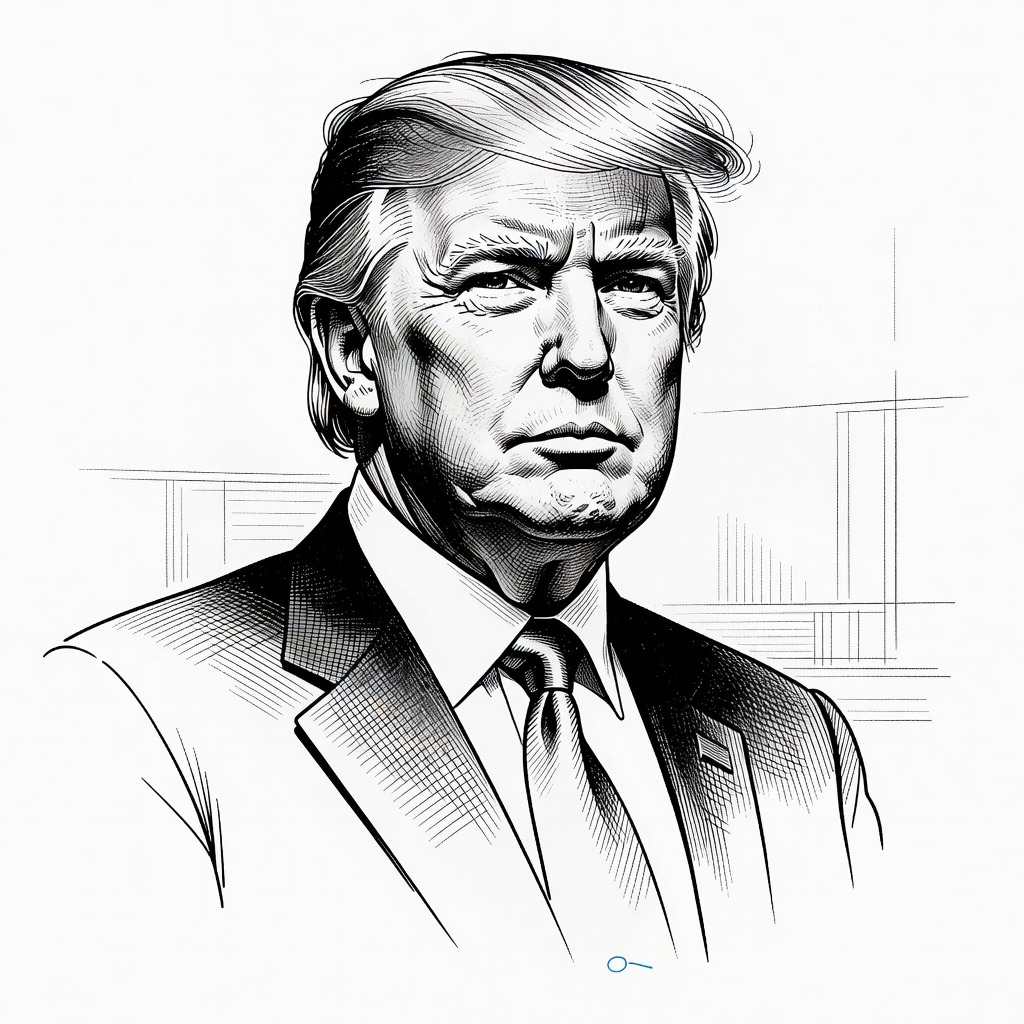
• Centralized Spectacle Overshadows Constituents National party conventions during midterm cycles risk subordinating local constituent accountability to a top-down national political machine. By centering the platform on national figures such as Donald J. Trump and Vice President Vance, the party prioritizes centralized message discipline over the unique needs of diverse regional electorates. Institutional health depends on representatives remaining accountable to local communities rather than consolidating power behind a unified national hierarchy.
• District Defections Expose Vulnerability The decision by battleground lawmakers like Brian Fitzpatrick and Maria Elvira Salazar to bypass the Dallas convention highlights the growing friction between national ideological demands and competitive district realities. When vulnerable candidates actively choose home-district engagement over high-profile party summits, it signals that rigid national platforms fail to reflect competitive general-election coalitions. True democratic representation requires tailored local outreach rather than mandatory allegiance to standard party orthodoxy.
• Ideological Rigidity Threatens Governance Elevating hardline policy positions on border enforcement and contentious state-level races, such as the Texas Senate contest between Ken Paxton and James Talarico, risks hardening political polarization. Framing midterms around centralized ideological fights rather than pragmatic problem-solving alienates moderate voters and complicates broader institutional collaboration. This focus on intense base mobilization threatens to erode cross-coalition dialogue in favor of partisan alignment.