
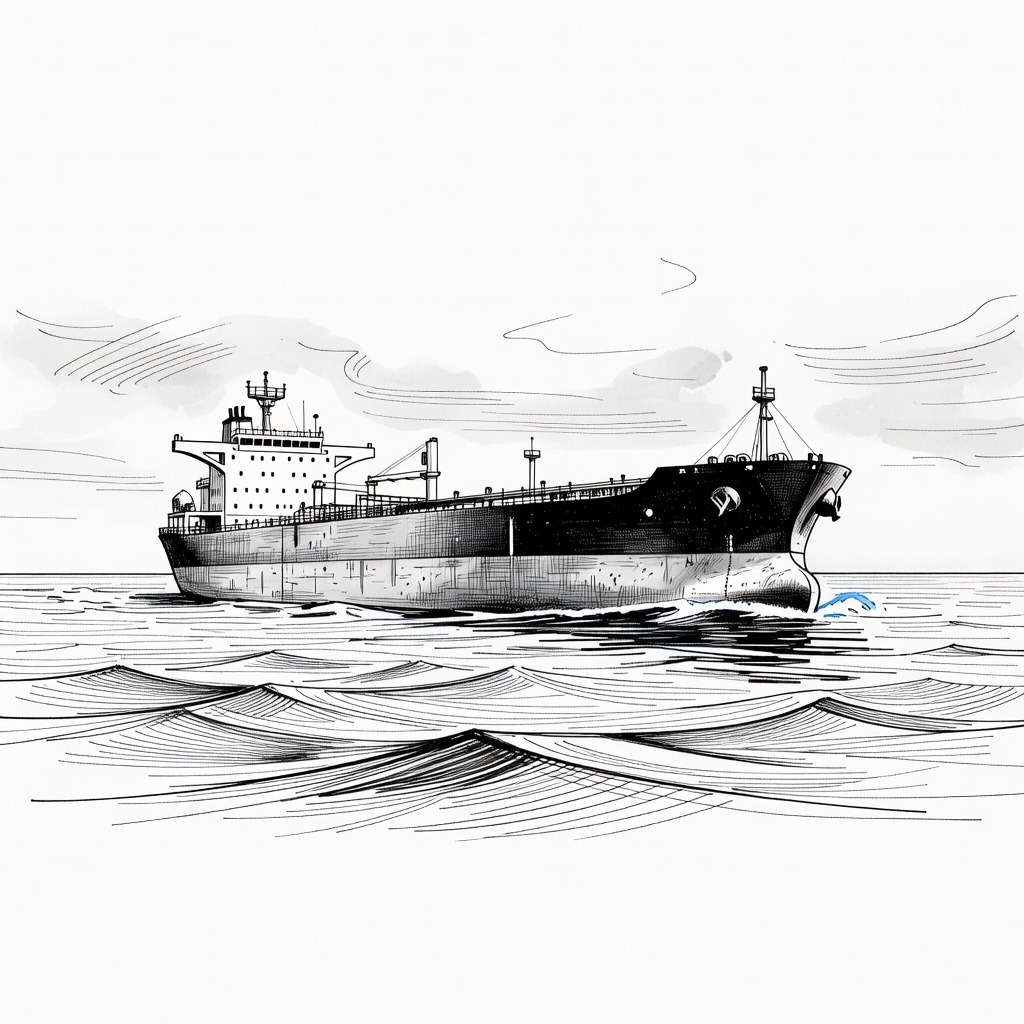
• Break The Retaliatory Spiral Kinetic strikes against commercial infrastructure risk igniting an uncontrollable regional escalation loop. While American forces issued advance warnings to tanker crews, destroying five vessels provoked direct ballistic missile retaliations against facilities hosting troops in Jordan. Expanding the scope of military engagement endangers regional personnel and deepens diplomatic instability across the Middle East. Sustainable security requires halting the cycle of provocation rather than compounding conflict zones.
• Stem Global Energy Shocks Military brinkmanship in critical shipping lanes directly destabilizes the international economy and penalizes ordinary consumers. Brent crude surpassing $100 per barrel for the first time since July demonstrates the severe economic volatility triggered by kinetic warfare. Disrupting energy logistics in the Gulf of Oman fuels inflation and strains global markets vulnerable to maritime supply shocks. Protecting global economic well-being necessitates prioritizing diplomatic off-ramps over militarized resource disruption.
• Protect Vulnerable Maritime Corridors Aggressive naval engagements immediately compromise commercial navigation and regional civilian transit. The subsequent evacuation directives across Kuwaiti and Bahraini waters show how rapid escalation paralyzes broad maritime logistics beyond the immediate combat zone. Expanding confrontations near sensitive chokepoints like the Strait of Hormuz increases the risk of severe miscalculation. Preserving open maritime corridors requires multilateral de-escalation rather than unilateral force projection.
How it may affect me
As a U.S. reader:
• You may experience higher energy-driven consumer costs and broader inflation in the short term as domestic benchmark crude oil rises to between $94 and $95 per barrel amid global energy shocks.
• Families of military personnel face increased security risks for service members stationed abroad following retaliatory ballistic missile strikes on facilities hosting American forces in Jordan.
• You could see long-term economic and supply chain disruptions resulting from compromised commercial navigation and tanker evacuations across vital Middle Eastern maritime corridors.