
Left Perspective
• Escalating Beyond Immediate Harm Prioritizing diplomatic off-ramps over military retaliation requires recognizing that the initial missile launches resulted in zero casualties or ship damage. Responding to near-misses with the kinetic destruction of five commercial oil vessels shifts the operational threshold toward full-scale war. Expanding the conflict's scope when defensive maneuvers successfully neutralized the threat creates an escalatory precedent that invites harsher counterstrikes.
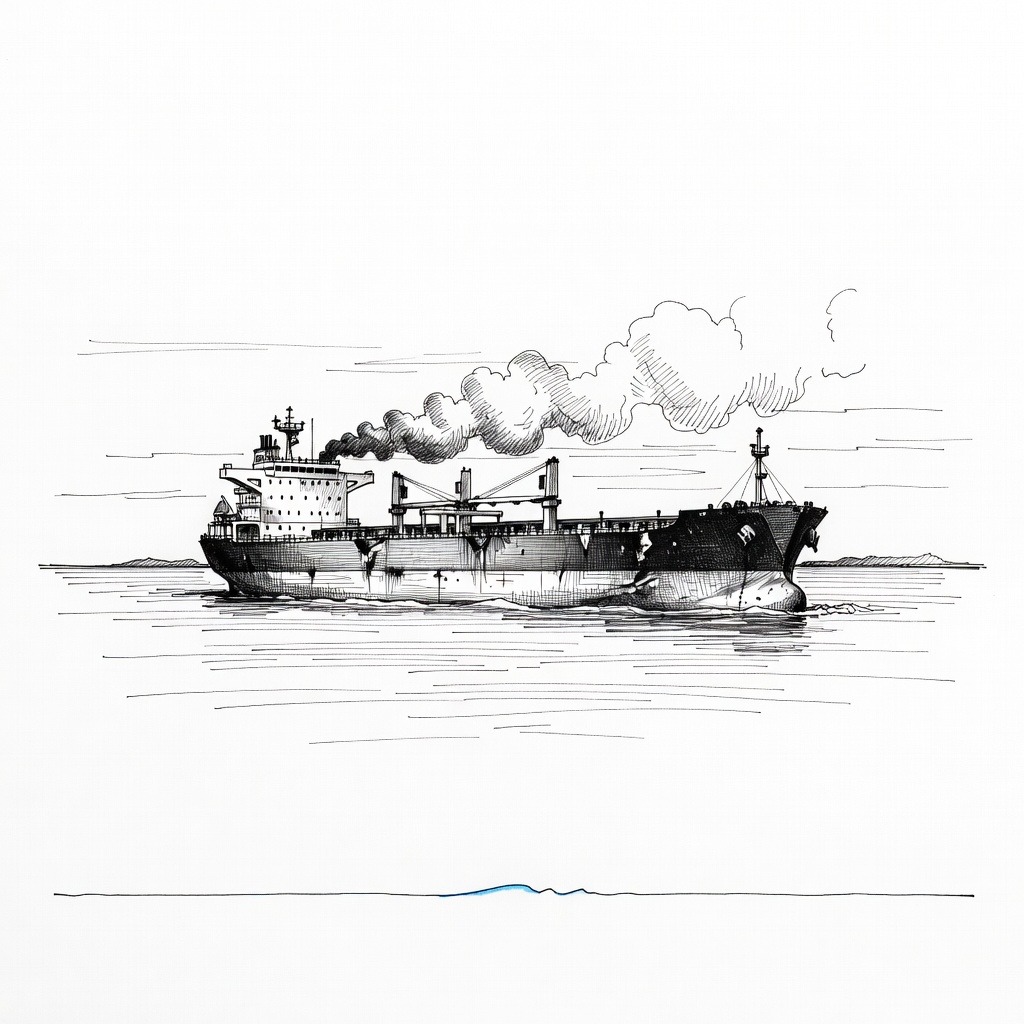
• Targeting Vulnerable Commercial Assets Focusing on international law and civilian safety reveals severe systemic risks in converting commercial shipping into military targets. While the evacuation orders for the crews of the M/T Kaviz, M/T Charminar, and others prevented immediate human loss, destroying industrial oil transport near Kharg Island risks broader environmental and regional instability. Normalizing strikes on transport vessels undermines maritime norms and endangers global transit corridors.
• Fueling Uncontrolled Retaliatory Spirals Relying on armed force rather than multilateral mediation locks both actors into an unyielding cycle of confrontation. Iran's concurrent seizure of underwater survey equipment in the Strait of Hormuz illustrates how aggressive kinetic displays immediately trigger asymmetric countermoves. Without structured diplomatic engagement, each round of reciprocal punishment increases the likelihood of a fatal miscalculation that drags the region into an uncontainable conflict.