
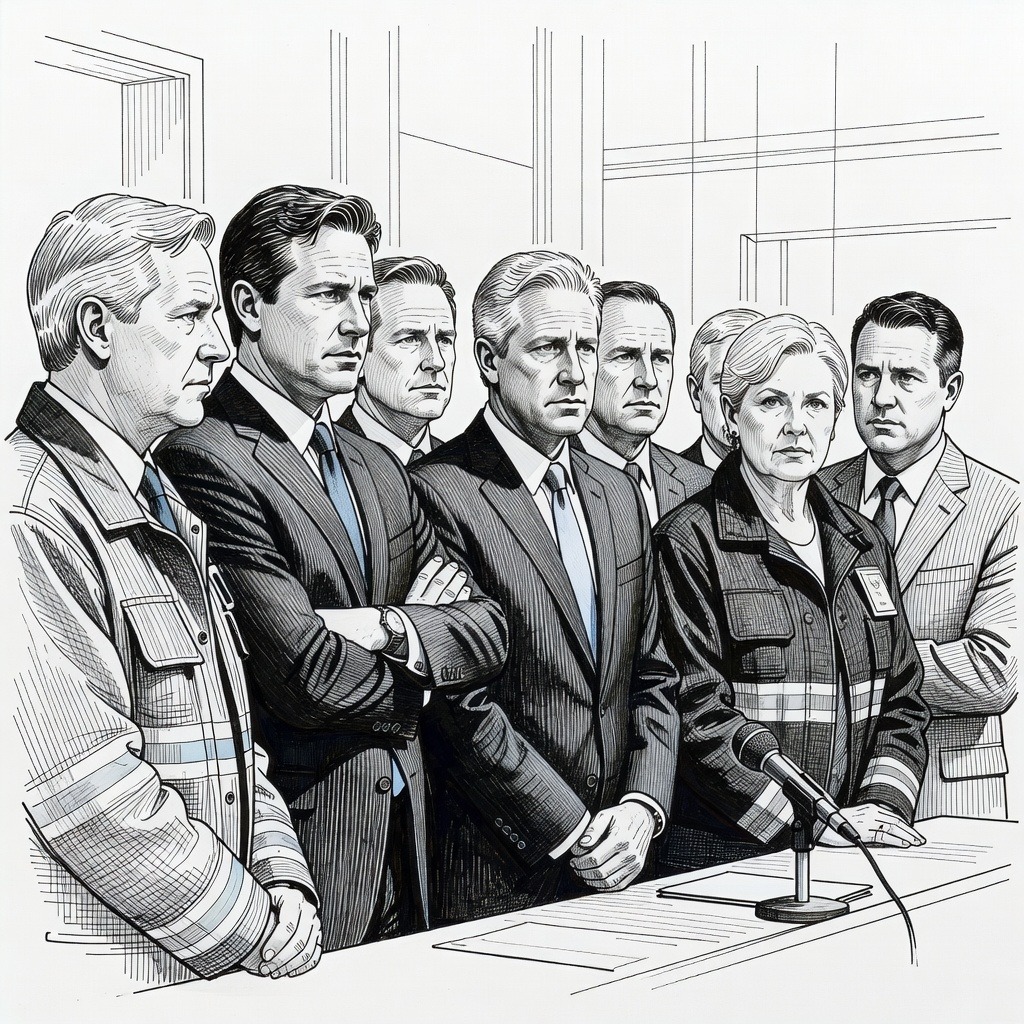
• Exposing Systemic Institutional Deception Institutional transparency is the fundamental prerequisite for government legitimacy and public trust. The release of over 170,000 pages of municipal records confirms that past officials knowingly minimized lethal environmental hazards, including asbestos at sites like Stuyvesant High School, to mitigate administrative legal risk. Declassifying these internal deliberations reveals how institutional self-preservation was prioritized over the safety of first responders and civilians. Concealing public health hazards directly subverts the civic contract and demands full administrative accountability.
• Vindicating Long-Overdue Civic Advocacy Government entities rarely correct institutional failures without sustained external pressure from organized civil society. The settlement of lawsuits brought by 9/11 Health Watch, alongside advocacy from figures like Jon Stewart, demonstrates that public disclosure was forced rather than freely given. Without aggressive legal challenges, decades of internal memos regarding toxic exposures would have remained concealed in storage boxes. This breakthrough illustrates why legal and civic challenges against municipal gatekeeping are vital for protecting vulnerable populations.
• Securing Redress For Victims Long-term justice requires transforming documented administrative failures into guaranteed, permanent public support. With thousands of individuals having died from exposure-related illnesses and many more managing chronic conditions, total transparency provides the evidentiary foundation for continued aid. Public access to these records validates the ongoing necessity of the World Trade Center Health Program and the September 11th Victim Compensation Fund. True institutional repair requires an enduring commitment to fully fund medical and financial resources for affected communities.
How it may affect me
As a U.S. reader:
• You can access more than 170,000 pages of municipal records and environmental testing data through an online portal to review historical air quality information following the September 11 attacks.
• If you are a survivor, first responder, or resident managing chronic health conditions from the disaster, you may see continued resources directed toward federal aid frameworks like the World Trade Center Health Program and the September 11th Victim Compensation Fund.
• If you attended school, lived, or worked in Lower Manhattan in 2001 or 2002, you can view specific historical hazard assessments regarding toxic contaminants, such as asbestos at Stuyvesant High School and John Street.