
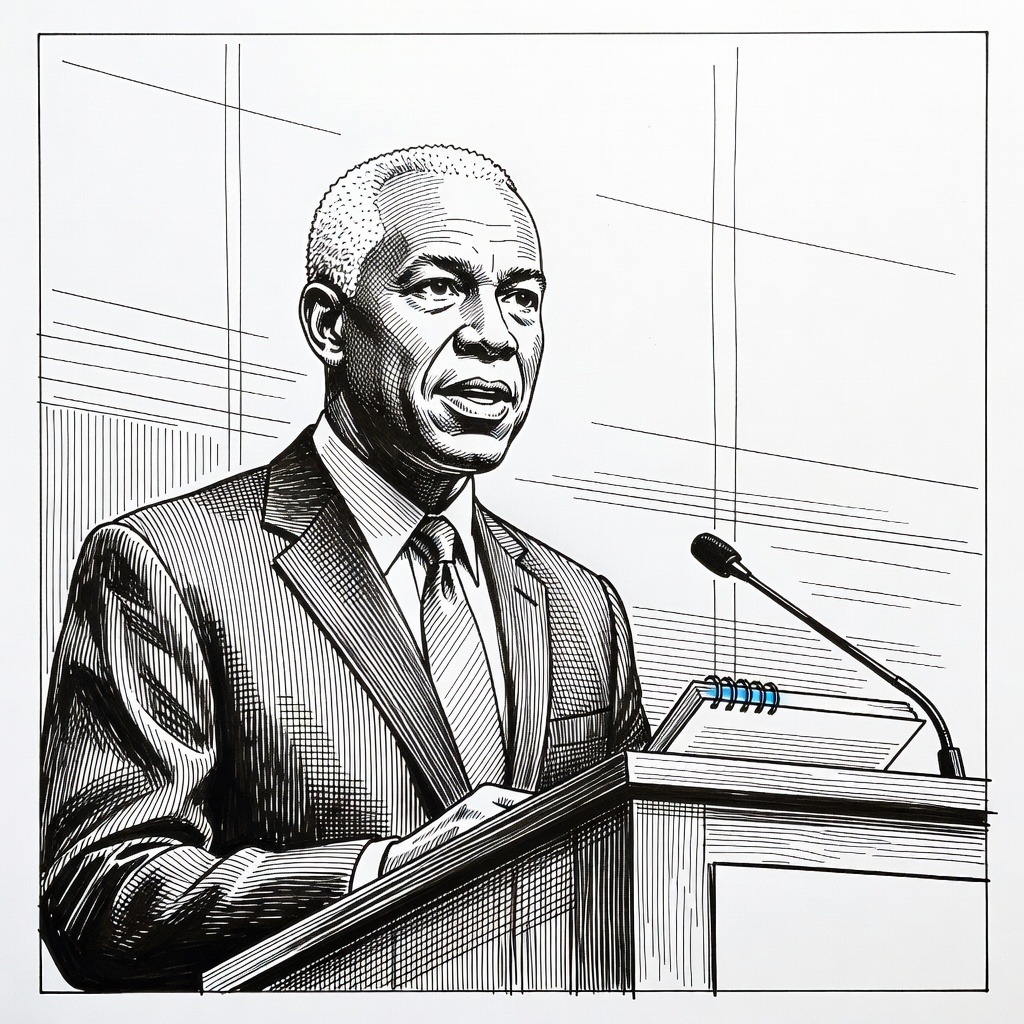
• Defending Scholarly Curatorial Autonomy Academic and cultural institutions require strict independence from political interference to fulfill their educational mandates. When an administration uses executive orders and funding threats to dictate how history is presented, it subverts empirical scholarship to partisan oversight. Preserving leaders like Lonnie Bunch ensures that museums remain objective repositories of knowledge rather than mouthpieces for shifting political administrations.
• Championing Comprehensive Historical Truth Presenting the full totality of a nation's past necessitates examining both its triumphs and its systemic shortcomings. Bunch's tenure as the Smithsonian's first African American leader and historian advanced a more inclusive historical record that honors diverse American experiences. Diluting complex narratives under the guise of eliminating "improper ideology" erases marginalized histories and weakens public civic literacy.
• Resisting Coercive Financial Leverage Threatening to withhold federal funding from cultural institutions represents an aggressive attempt to enforce ideological compliance. When governance shifts toward punitive censorship, it creates a chilling effect across research and public programming nationwide. This financial pressure jeopardizes the institutional integrity of public education, risking the permanent loss of historical fidelity.
How it may affect me
As a U.S. reader:
• Visitors to Smithsonian museums, research facilities, and the National Zoo will experience an administrative transition in the short term as an acting secretary is appointed and a search for a permanent successor begins.
• The public may see changes in how national history and cultural exhibits are curated, reflecting shifts between presenting comprehensive historical accounts and emphasizing shared civic heritage.
• Taxpayers and researchers could be affected by potential adjustments to federal funding and support for public educational programming and cultural institutions.
• In the long term, visitors and educators may encounter revised institutional standards aimed at increasing democratic oversight or protecting scholarly independence in public cultural repositories.