
Left Perspective
• Perpetual Cycles Drive Instability Military escalation consistently fails to achieve long-term security and instead fuels an endless cycle of violent retaliation. The Houthi framing of these strikes as retribution for Saudi military operations demonstrates how kinetic actions inevitably provoke reciprocal cross-border attacks. Pledges of renewed counter-measures by coalition forces risk deepening the conflict rather than resolving its root political drivers. Sustainable stability requires prioritizing diplomatic channels over expanded military campaigns.
• Humanitarian Costs Expand Borders Armed confrontations inevitably shift the burden of war onto non-combatant populations and infrastructure. With over 70 individuals injured and multiple fires ignited across civilian and energy zones, the geographical reach of human suffering continues to widen. Viewing regional conflicts purely through a security prism ignores the mounting civilian toll and the fragility of regional life. True de-escalation demands halting cross-border strikes before casualty numbers and displacement escalate further.
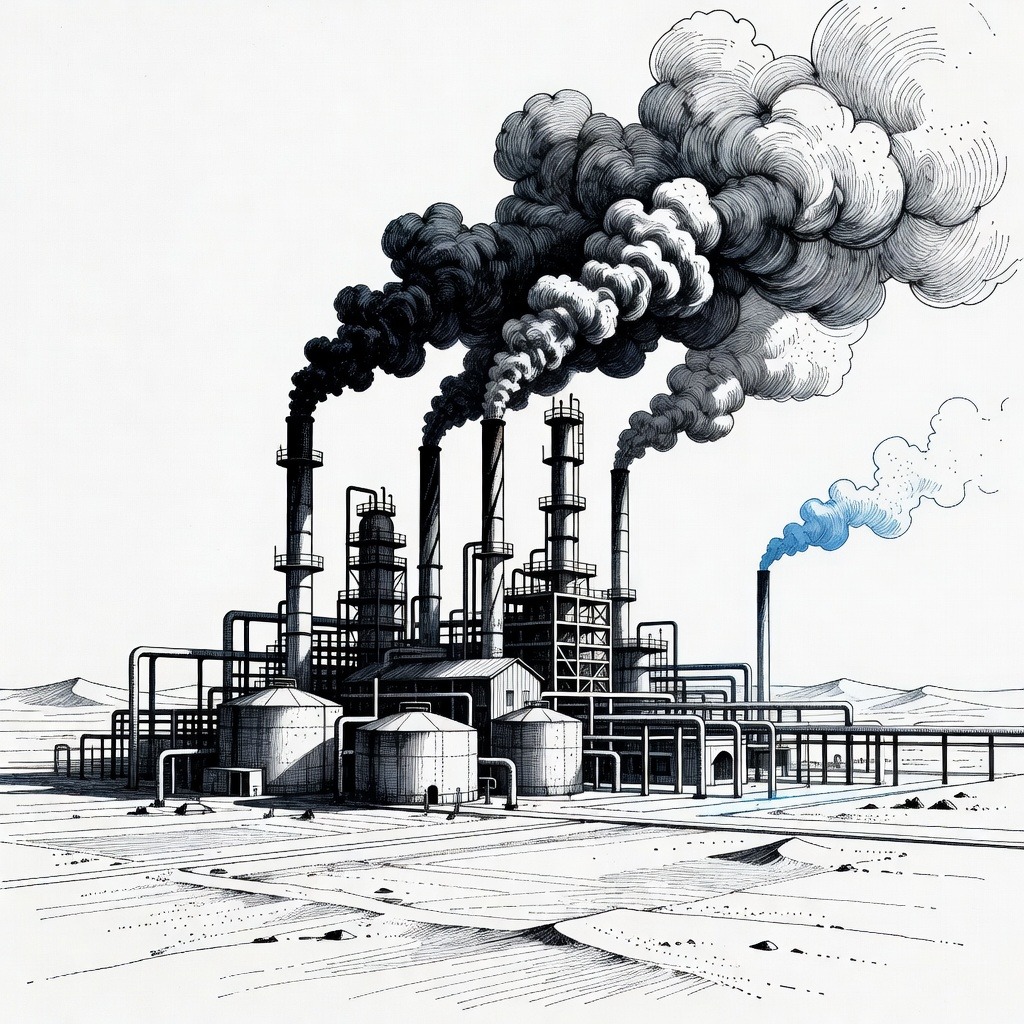
• Economic Shocks Threaten Vulnerable Populations Unchecked regional warfare creates immediate global economic reverberations that disproportionately harm everyday consumers. The rapid climb of Brent crude past $98 and West Texas Intermediate above $93 per barrel illustrates how military exchanges directly induce price instability. These energy market spikes translate into higher living costs worldwide, compounding economic precarity far beyond the conflict zone. De-escalating tensions is essential not only for regional safety, but for safeguarding global socio-economic well-being.