
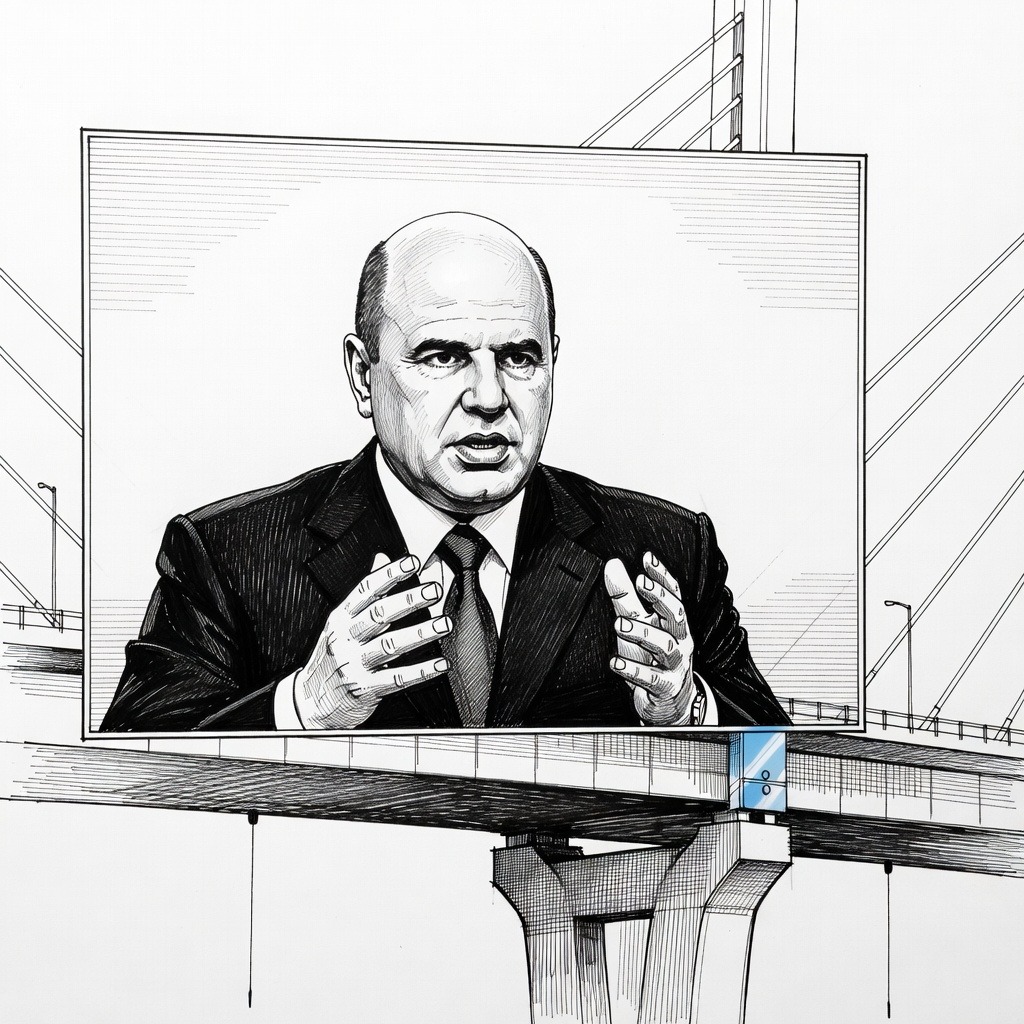
• Eroding International Rule Architectures Multilateral stability depends on collective enforcement mechanisms and strict adherence to international legal norms. Constructing a direct roadway across the Tumen River allows isolated regimes to bypass global trade monitoring and sanction regimes under the guise of civil exchange. By facilitating unmonitored commodity and technology transfers between Khasan and Rason, this infrastructure actively weakens international accountability frameworks designed to curb rogue state proliferation.
• Fueling Protracted Conflict Pipelines Civic and transport infrastructure must never be weaponized to accelerate active armed aggression or human suffering. Expanding connectivity beyond existing rail and air routes directly bolsters the logistical foundation of a bilateral partnership that already supplies ammunition and deployed troops to the war in Ukraine. Providing a conduit for up to 300 vehicles daily lowers the logistical barrier to sustaining foreign military campaigns, directly prolonging violent conflict and exacerbating humanitarian casualties.
• Hardening Antagonistic Geopolitical Blocs Lasting peace requires diplomatic integration and transparent, rules-based engagement rather than the formation of insular militarized blocs. Deepening bilateral transit corridors solidifies an exclusionary axis that explicitly resists international diplomatic overtures and multilateral oversight. This physical integration entrenches regional hostility, foreclosing opportunities for peaceful de-escalation while institutionalizing long-term cross-border militarization.
How it may affect me
As a U.S. reader:
• This development is not expected to have a direct or significant practical impact on members of the general public in the United States, as the article and perspectives focus entirely on bilateral trade, military logistics, and regional dynamics between Russia and North Korea.