
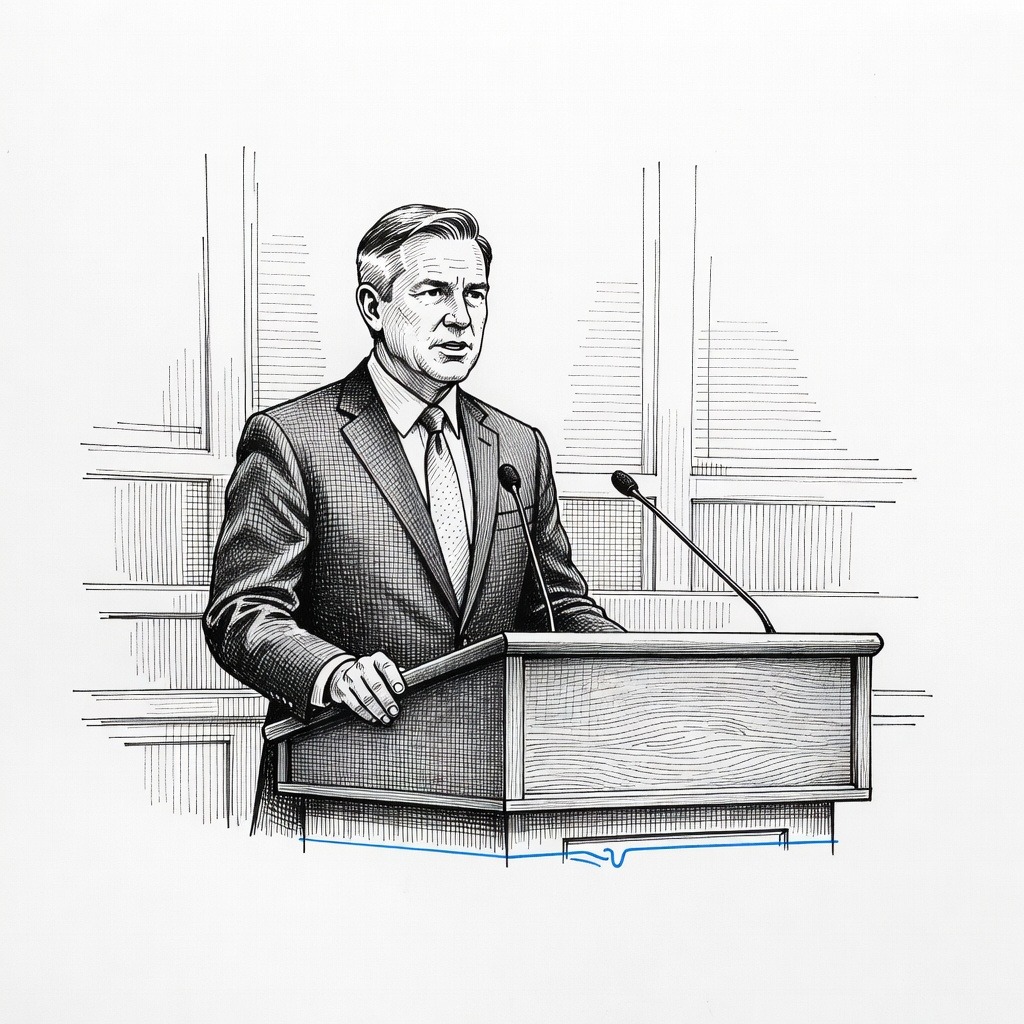
• Dismantling Hyper-Partisan Incentive Structures Democratic stability requires lowering the temperature of public discourse to prevent political violence. Governor Spencer Cox’s address at Utah Valley University highlights how unyielding partisan hostility threatens the foundational integrity of democratic institutions. Reducing toxic information streams and social media consumption is seen as an essential structural remedy to curb radicalization before it manifests in violence like the fatal shooting of political figures.
• Upholding Strict Legal Accountability Justice systems must demonstrate impartial efficacy when political violence strikes to deter further civic collapse. The judicial determination that suspect Tyler Robinson will stand trial for capital murder serves as an essential reinforcement of civil order and due process. True institutional healing cannot rely solely on rhetoric; it demands that violent disruptions to the political process face unambiguous legal accountability.
• Guarding Public Education Environments Aggressive ideological mobilization within educational institutions risks deepening long-term social fragmentation among youth. The rapid surge of Turning Point USA chapters in thousands of high schools and colleges, alongside efforts to merge religious doctrine with political activism through works like *The War on Reality*, threatens to entrench polarization at an earlier age. A healthy democracy relies on classrooms serving as spaces for critical inquiry rather than battlegrounds for partisan recruitment.
How it may affect me
As a U.S. reader:
• High school and college students will likely encounter expanded conservative and religious organizing efforts on their campuses due to significant growth in student chapters.
• The public will observe a major capital murder trial that tests the legal system's ability to hold individuals accountable for political violence and safeguard public assembly rights.
• Citizens will encounter ongoing appeals from state leadership to reduce social media consumption as a method to lower partisan tension and protect democratic stability.
• Religious individuals will have access to new publications and resources intended to facilitate increased participation and argument in political discourse.