
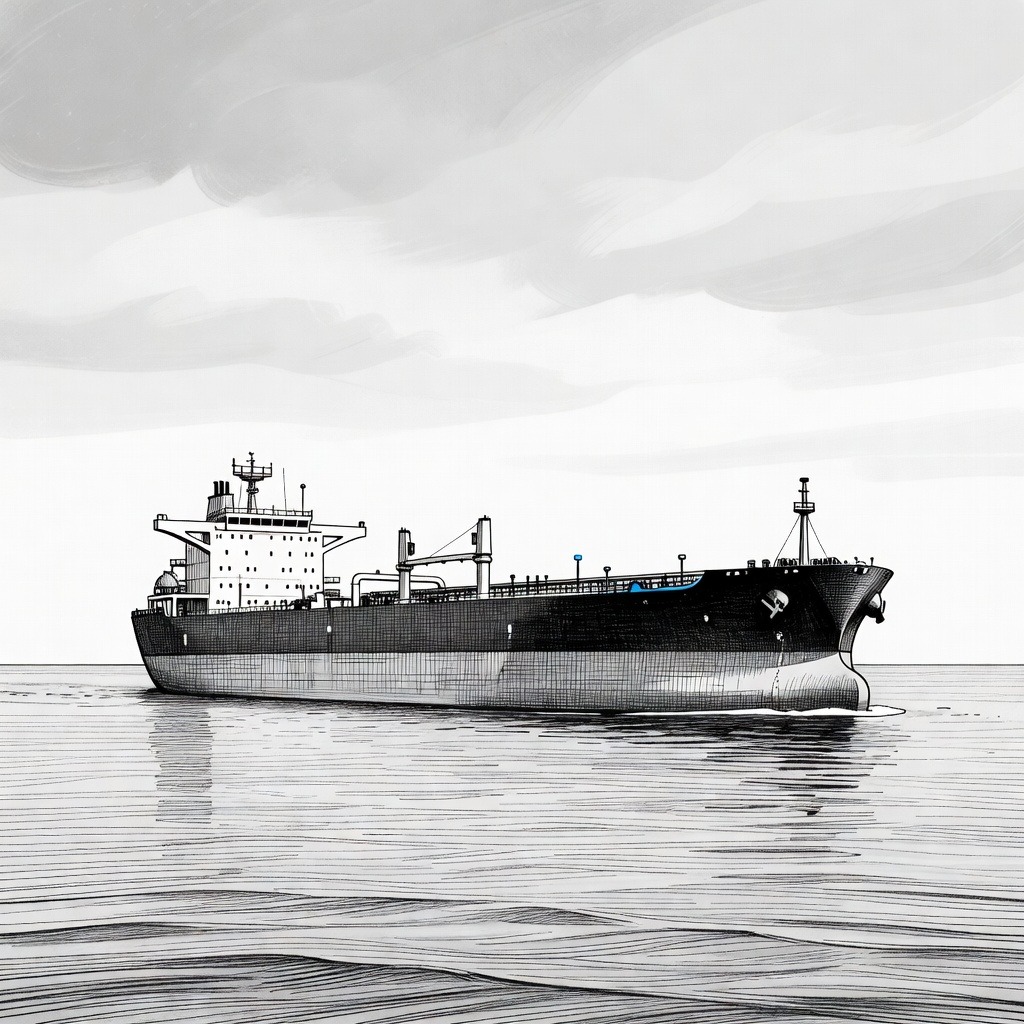
Illustration for: U.S.-Iran Military Exchanges Escalate Tensions and Drive Oil Prices to Six-Week High
AI-generated illustration. Visual interpretation does not represent real individuals or scenes.

U.S.-Iran Military Exchanges Escalate Tensions and Drive Oil Prices to Six-Week High

2026-09-07

The BareStory

Crude oil prices reached a six-week high following weekend military exchanges between the United States and Iran, as well as reported strikes on energy infrastructure in Saudi Arabia. On Saturday, U.S. forces struck three Iranian oil tankers after Iran targeted two U.S. Navy warships, resuming direct clashes in the months-long conflict.

International benchmark Brent crude rose to over $97 per barrel on Monday, while West Texas Intermediate climbed past $93 per barrel. The price increases coincided with reported strikes on a Saudi Aramco facility in Jizan, where damage assessments remain underway.

U.S. defense officials stated that the targeted Iranian tankers were part of a financing network for the Iranian military and regional groups. In response, Iran's Foreign Ministry condemned the strikes on commercial vessels as economic warfare and violations of international law, while Iranian officials pledged retaliatory actions against U.S. assets.

U.S. officials offered differing assessments on the broader trajectory of the standoff. Energy Secretary Chris Wright indicated that a formal nuclear agreement with Iran may not materialize, though he noted regional crude continues to flow through the Strait of Hormuz and alternative pipeline routes. Meanwhile, Treasury Secretary Scott Bessent projected that global crude prices could eventually fall to between $40 and $50 per barrel once the conflict concludes and restrained supplies return to the market.

Left Perspective

  • Breaking the Escalation Cycle
  • Shielding Vulnerable Global Consumers
  • Reviving Institutional Diplomatic Channels

Right Perspective

  • Enforcing Credible Military Deterrence
  • Dismantling Hostile Financing Networks
  • Securing Long-Term Energy Dominance

How it may affect me

As a U.S. reader:

• You may face immediate increases in energy and consumer costs as crude oil prices climb past $93 to $97 per barrel following military strikes.

• You may see heightened safety risks for U.S. military personnel and regional assets after Iranian officials pledged retaliation for strikes on their vessels and direct clashes with Navy warships.

• You could eventually see reduced long-term energy costs if the conflict concludes and restrained supplies return, with projected crude prices dropping to between $40 and $50 per barrel.

• You may experience the effects of prolonged regional instability if formal diplomatic negotiations and a U.S.-Iran nuclear agreement fail to materialize.

Read the story at