
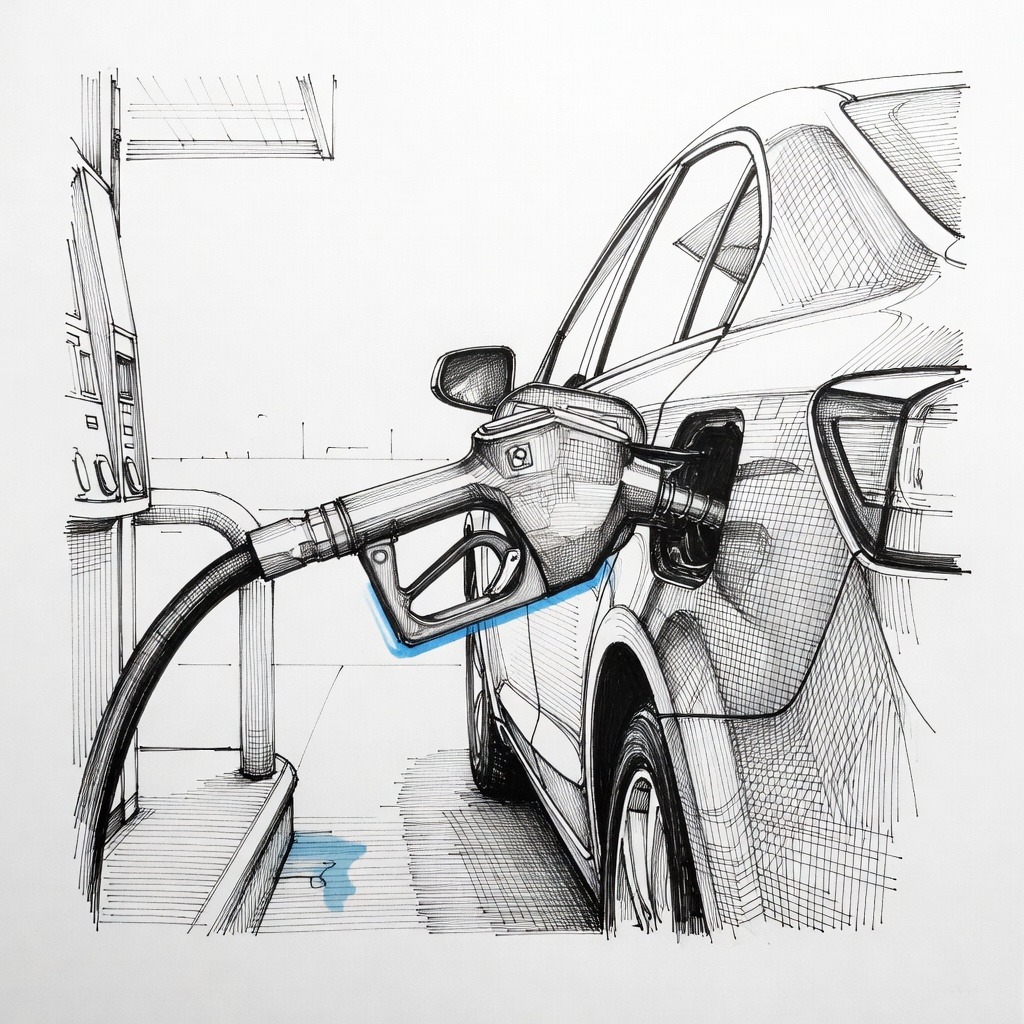
• Crush Working-Class Household Budgets Household economic equity is severely compromised when inelastic living expenses surge to historic highs. Gasoline averaging over $4.14 per gallon and diesel reaching $5.85 function as a regressive tax on daily commuters and holiday travelers. As these elevated fuel expenses cascade into freight and logistics operations, retail consumers are forced to absorb higher prices for everyday packages and basic retail goods.
• Externalize Foreign Conflict Costs Vulnerable domestic populations bear the economic burden of aggressive foreign policy maneuvers and geopolitical escalations. Market disruptions stemming from military strikes on Iran and subsequent transit restrictions in the Strait of Hormuz directly penalize consumers at the pump. Tying domestic cost-of-living stability to volatile global supply chains and foreign refinery strikes leaves everyday citizens exposed to international friction they cannot control.
• Expose Severe Infrastructure Fragility Relying on an overburdened domestic energy system operating under extreme climate stress creates unsustainable systemic risk. Running Texas refineries at 98 percent capacity during severe heat waves leaves the broader economy vulnerable to catastrophic supply drops from mechanical failure or weather events. Relying on projected seasonal drops of 35 cents offers little protection against systemic, structural vulnerability in foundational supply networks.
How it may affect me
As a U.S. reader:
• You will experience higher immediate travel and commuting expenses due to gasoline prices averaging over 4.14 dollars per gallon and record diesel prices of 5.85 dollars per gallon.
• You can expect higher retail prices on everyday goods and increased costs for package deliveries due to rising freight and logistics expenses.
• You may see short-term financial relief by November, with fuel market projections pointing to a potential 35-cent decrease per gallon in bulk gasoline prices.
• You remain exposed to the risk of sudden fuel shortages or price spikes if domestic refineries operating at 98 percent capacity suffer mechanical breakdowns or weather disruptions.