
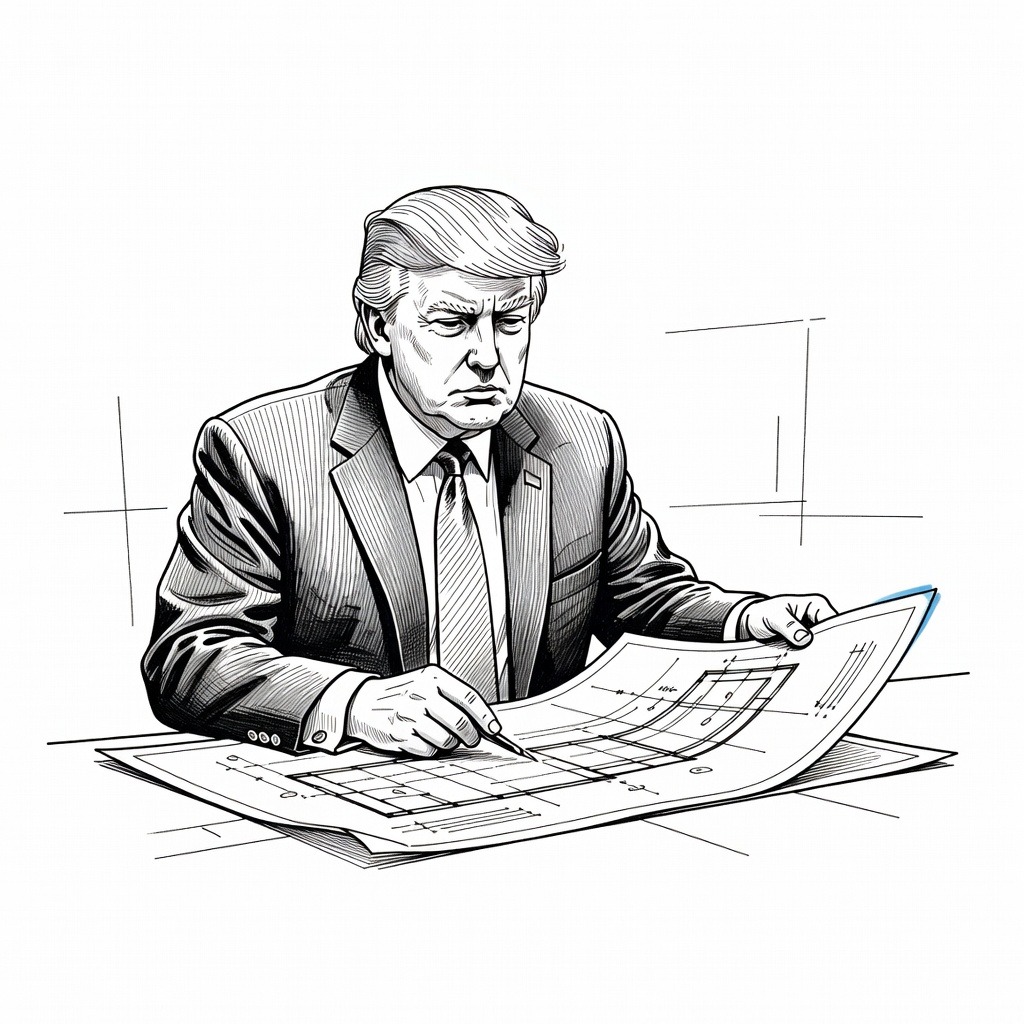
• Challenging Manufactured Pretexts Public accountability requires skepticism when isolated incidents are leveraged to justify sweeping institutional disruptions. The storm-related ceiling collapse serves as a convenient pretext for leadership to claim the entire fifty-year-old facility is inherently unsafe. This maneuver functions as a political pivot to legitimize an aggressive two-year shutdown that community stakeholders view as unnecessary.
• Resisting Institutional Capture Civic infrastructure must remain insulated from self-aggrandizing political motives and personal branding efforts. Past board decisions to affix executive naming to the facade reveal that the proposed $250 million renovation is closely tied to vanity rather than pure structural necessity. Preserving cultural heritage requires defending public spaces from being commandeered for elite legacy-building.
• Enforcing Legal Guardrails Democratic governance depends on institutional adherence to judicial oversight and established legal constraints. Federal court rulings have already intervened to halt unilateral closures and strip unauthorized promotional text from the building. Bypassing these checks under the guise of an emergency threatens the rule of law and disenfranchises the public from their cultural institutions.
How it may affect me
As a U.S. reader:
• Visitors to the Kennedy Center may encounter localized disruptions or restricted areas around the grand foyer and main hallway due to recent ceiling damage and debris.
• Event attendees and cultural patrons face the possibility of a two-year loss of access to the venue if leadership implements its proposed full facility closure.
• The public faces ongoing uncertainty regarding future operations and event schedules while the proposed closure and renovation remain subject to federal court review.
• In the long term, visitors could see an updated, repaired facility if the proposed 250 million dollar renovation project moves forward.