
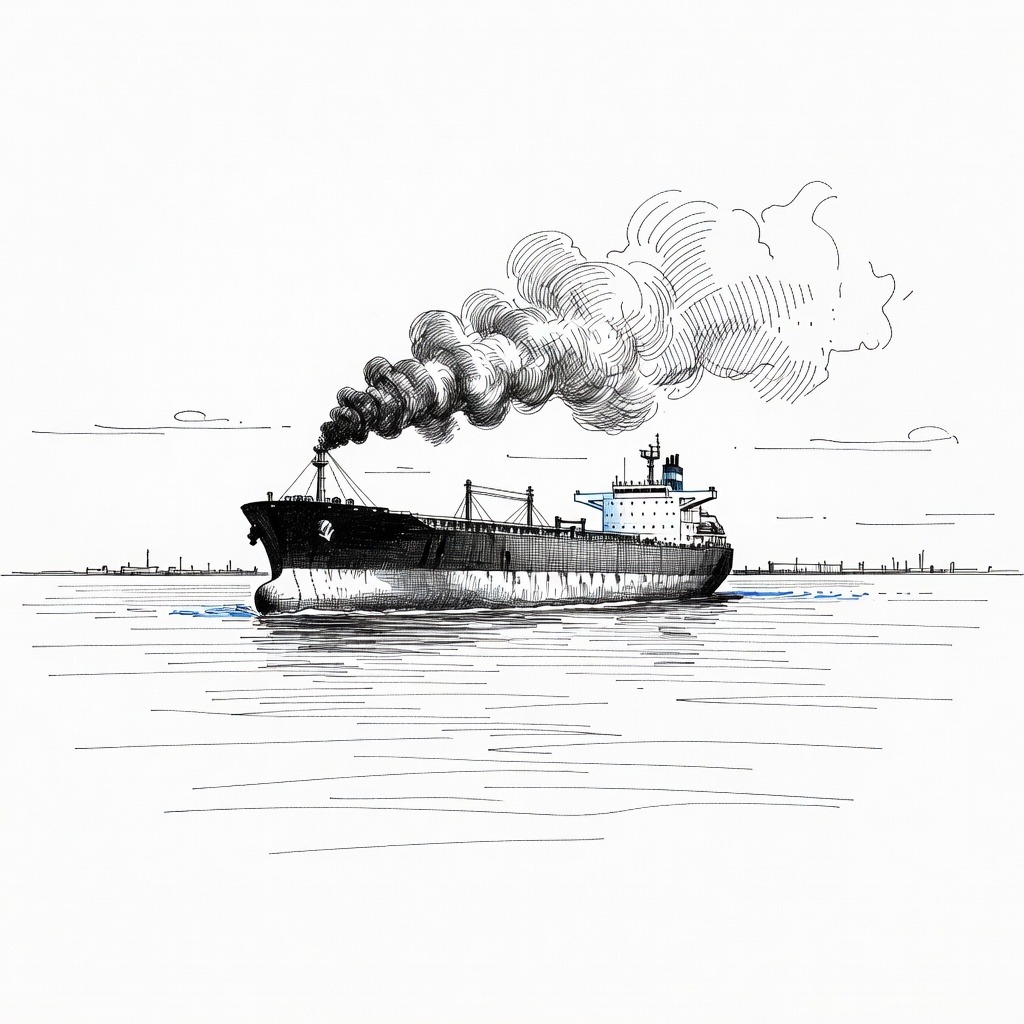
• Dangerous Escalation Spiral Unleashed Retaliating against maritime infrastructure shifts a contained defensive encounter into a broader, unpredictable regional war. Striking oil vessels near critical transit nodes like Kharg Island and the Strait of Hormuz risks triggering asymmetric counter-escalation against commercial and naval vessels alike. Military retaliation without clear diplomatic off-ramps ultimately erodes long-term stability and deepens regional hostility.
• Threatening Fragile Maritime Commons Targeting energy transport vessels directly endangers the civilian maritime commons and regional environmental security. Disabling tankers across the Gulf of Oman and Jask exacerbates disruptions to international crude oil transit, creating volatile supply shocks that penalize the global economy. Lasting security along international shipping lanes requires multilateral de-escalation frameworks rather than expanding kinetic warfare across commercial sea lanes.
• Ineffective Asymmetric Deterrence Strategy Imposing economic punishment through targeted airstrikes fails to neutralize the root drivers of military confrontation. Damaging tankers tied to Revolutionary Guard revenue networks will not dismantle adversary missile capabilities, but will instead harden institutional resolve and entrench asymmetric hostility. Relying on physical strikes as a substitute for strategic diplomacy leaves American warships continuously exposed to future retaliatory salvos.
How it may affect me
As a U.S. reader:
• Ongoing disruptions to crude oil transit through the Strait of Hormuz could create short-term energy supply shocks that impact the broader economy.
• Potential military escalation into a wider regional conflict could heighten safety risks for deployed American service members and commercial vessels operating in the Middle East.
• Continued instability across critical maritime transit corridors could disrupt international commercial shipping and global trade.
• In the long term, outcomes may range from stabilized shipping lanes if deterrence succeeds in degrading funding networks, to heightened hostility if commercial sea lanes face retaliatory attacks.