
• Shield Citizens From Overreach Individual liberty requires robust judicial safeguards against premature and unverified state prosecution. The government secured an indictment against David Hearn before gathering essential facts from the Department of the Interior, only to concede later that no crime or economic damage occurred. Granting a dismissal with prejudice rightly penalizes prosecutorial negligence and prevents the state from weaponizing flawed investigations against private citizens.
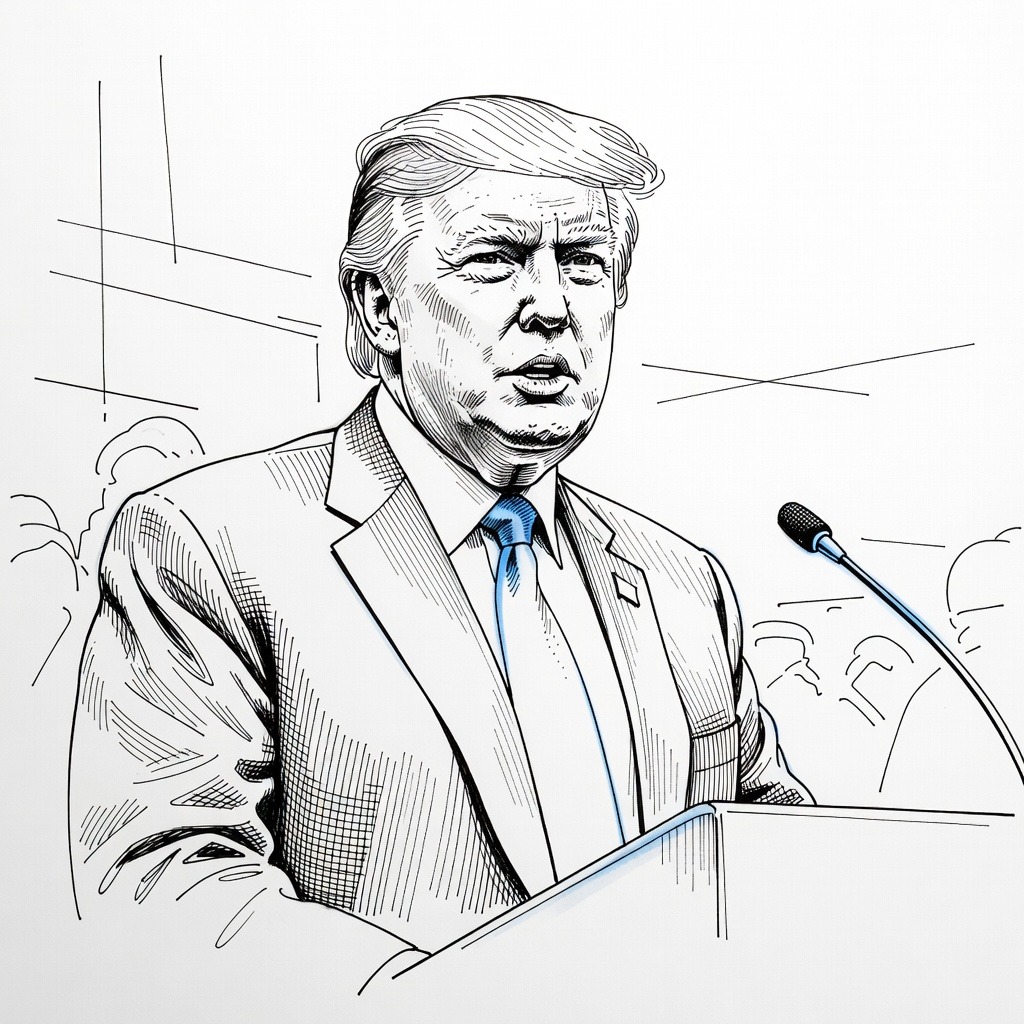
• Insulate Justice From Politics Legal proceedings must remain strictly independent of executive pressure and public rhetoric. Because public figures, including Donald Trump, openly criticized the decision to drop charges, leaving the case open to re-filing creates a legitimate risk of politically motivated harassment. A permanent dismissal establishes a necessary institutional firewall that protects an exonerated individual from future retributive prosecution.
• Eliminate Perpetual Legal Jeopardy Fundamental fairness dictates that the state cannot hold the indefinite threat of prosecution over a person when no criminal conduct exists. Forcing a defendant to live under the shadow of a potential recharge after proving the damage stemmed from a flawed installation undermines personal security. Finality in this case restores the presumption of innocence and curtails the government's ability to keep innocent individuals in indefinite legal limbo.
How it may affect me
As a U.S. reader:
• In the short term, the ruling determines whether an individual cleared of wrongdoing in a landmark incident is permanently protected from future charges or remains subject to potential re-prosecution if new evidence arises.
• In the long term, the court's decision sets a standard for how strictly prosecutors are held to thorough investigations before bringing charges against private citizens for damage to public property.
• The outcome affects how the legal system balances prosecutorial flexibility to protect national monuments against safeguarding individuals from prolonged legal uncertainty and potential outside political influence.