
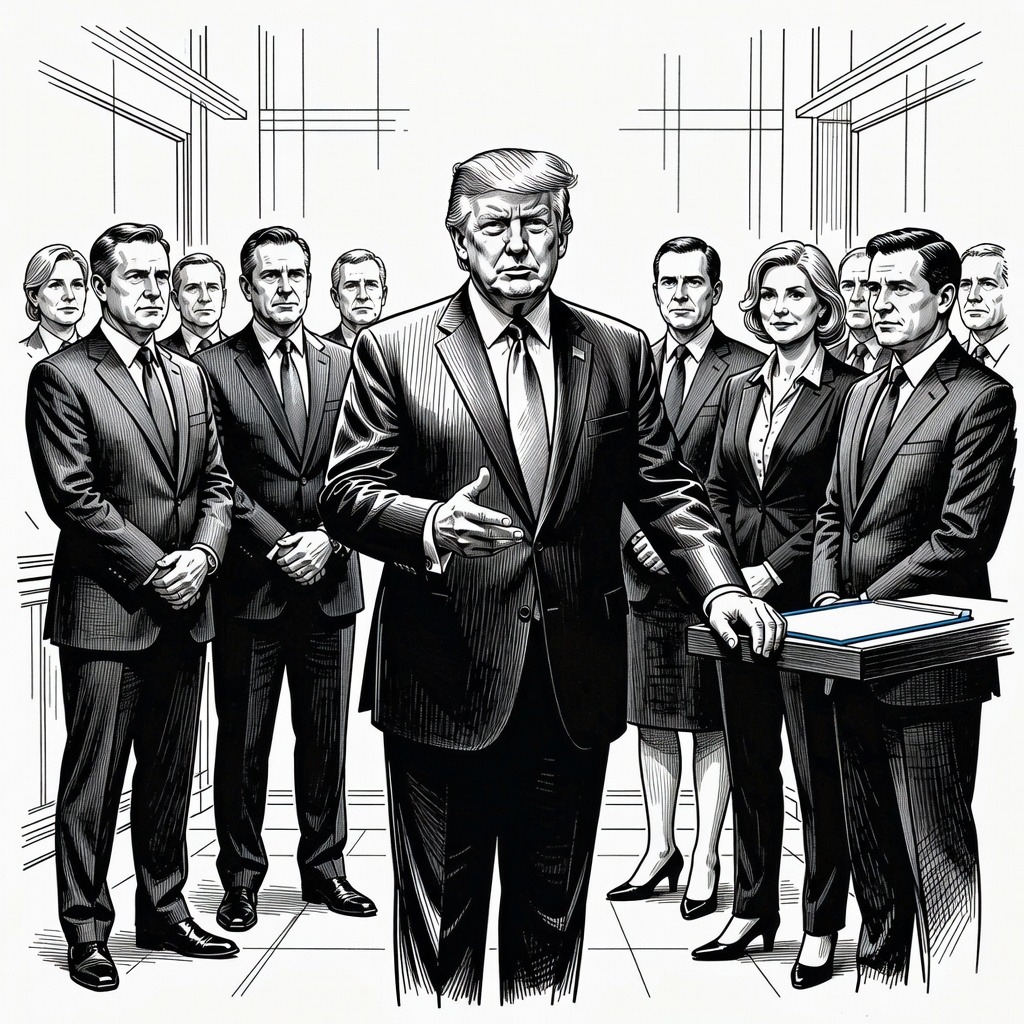
• Chilling Dissent in Defense Robust civilian oversight relies on candid internal debate among defense leaders regarding military readiness and strategic modernization. When seasoned officials like Dan Driscoll depart following friction with top administration figures, it signals that professional disagreement is being penalized rather than integrated. Suppressing divergent viewpoints degrades long-term military strategy by replacing rigorous assessment with conformity.
• Compounding Strategic Instability Frequent personnel turnover and reliance on interim appointments undermine the continuity required to manage complex defense programs. As highlighted by critics like Senators Jack Reed and Thom Tillis, rapid churn at the top of military branches creates administrative turbulence and disrupts vital modernization timelines. An unstable leadership pipeline weakens institutional memory and degrades the structural integrity of the Armed Forces.
• Politicizing Civilian Command Elevating political liaisons and legislative aides into high-ranking military authority risks subordinating national defense priorities to political compliance. Appointing figures based on executive loyalty rather than independent strategic depth threatens the traditional nonpartisan nature of military governance. This shift invites vulnerabilities by prioritizing personal alignment over the objective needs of warfighters.
How it may affect me
As a U.S. reader:
• In the short term, leadership turnover and the use of interim appointments may create administrative instability and delay key military modernization timelines.
• In the long term, tighter alignment between defense leaders could accelerate planned overhauls aimed at reducing bureaucracy and enhancing military readiness.
• The new acting secretary's established ties with Congress may facilitate smoother legislative negotiations, potentially expediting military resource allocation and defense authorizations.
• Ongoing shifts in civilian defense command may influence how defense policies are debated internally, impacting the overall strategic direction and oversight of national armed forces.