
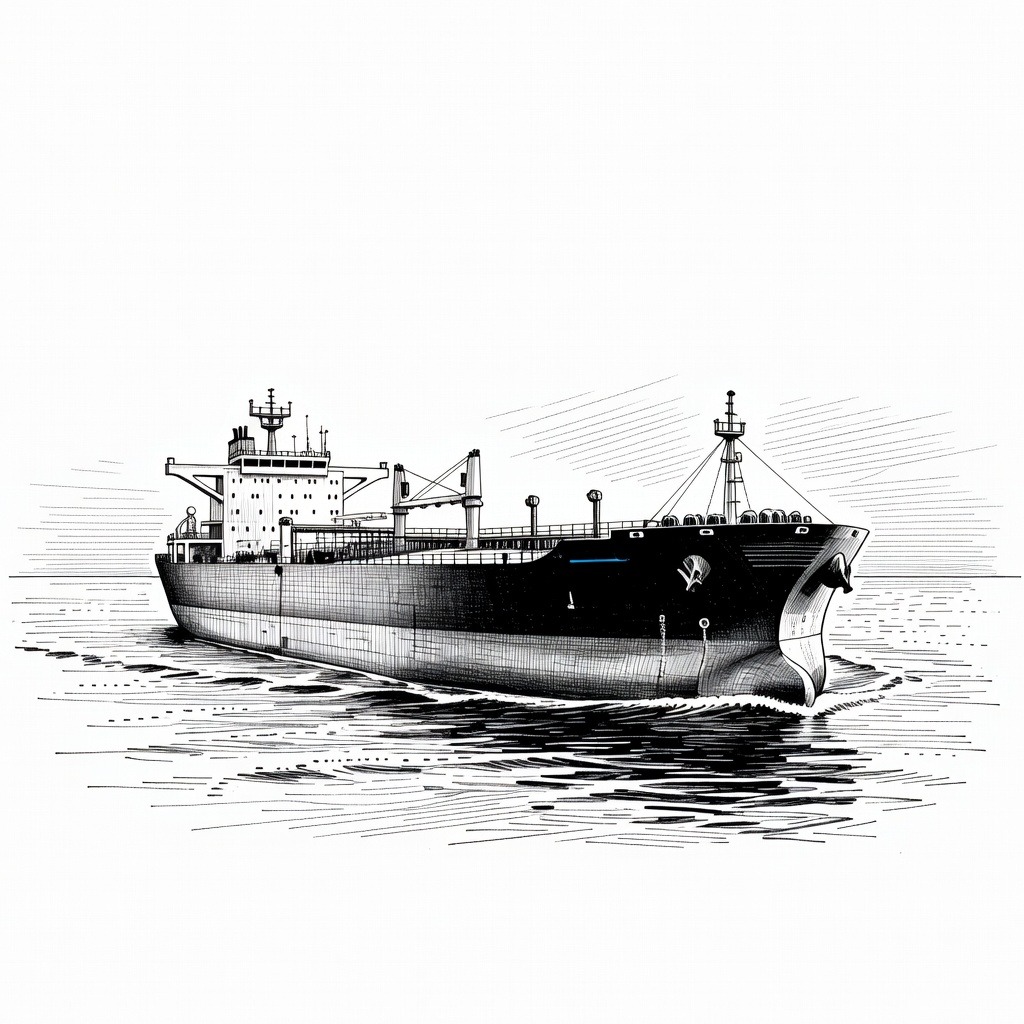
• Sanctions Spirals Fuel Armed Escalation Coercive economic measures combined with direct military strikes predictably generate hostile blowback rather than compliance. Sweeping campaigns like Operation Economic Outcast, paired with naval blockades, back the adversary into a corner, incentivizing retaliatory missile strikes against regional bases and further endangering service members. Diplomatic progress requires lowering military friction rather than expanding interdiction campaigns that risk broader regional war.
• Economic Warfare Hardens Diplomatic Impasses Broad-based bans targeting commercial aviation, digital assets, and maritime trade undermine mutual trust necessary for constructive negotiations. When economic instruments are perceived as punitive isolation, the targeted state is more likely to entrench its resistance and label diplomacy as capitulation to external coercion. Sustainable stability depends on structured diplomatic incentives rather than maximalist pressure campaigns that eliminate viable off-ramps.
• Secondary Coercion Strains Global Coalitions Threatening sovereign G20 partners with secondary sanctions to compel alignment risks fracturing broader international cooperation. Compelling international compliance through financial leverage can alienate key trading partners and disrupt global maritime transit corridors like the Strait of Hormuz. Lasting peace requires voluntary multilateral consensus rather than extraterritorial financial enforcement that destabilizes global commerce.
How it may affect me
As a U.S. reader:
• U.S. service members stationed in the Middle East and their families face heightened physical safety risks due to retaliatory missile strikes targeting regional military bases.
• Consumers and commercial businesses could experience supply chain disruptions from ongoing restrictions on maritime shipping traffic in the Strait of Hormuz corridor.
• Financial and trade relations may be impacted if the U.S. government enacts secondary sanctions against Group of 20 trading partners that maintain financial ties with Iran.