
• Eroding Collaborative Diplomatic Norms International relations depend on mutual respect and shared governance over cross-border resources rather than unilateral executive declarations. Unilaterally altering the Geographic Names Information System designation following stalled trade talks represents a coercive escalation that undermines bilateral stability. Shared geographical landmarks require cooperative management rather than geopolitical posturing that alienates key global partners.
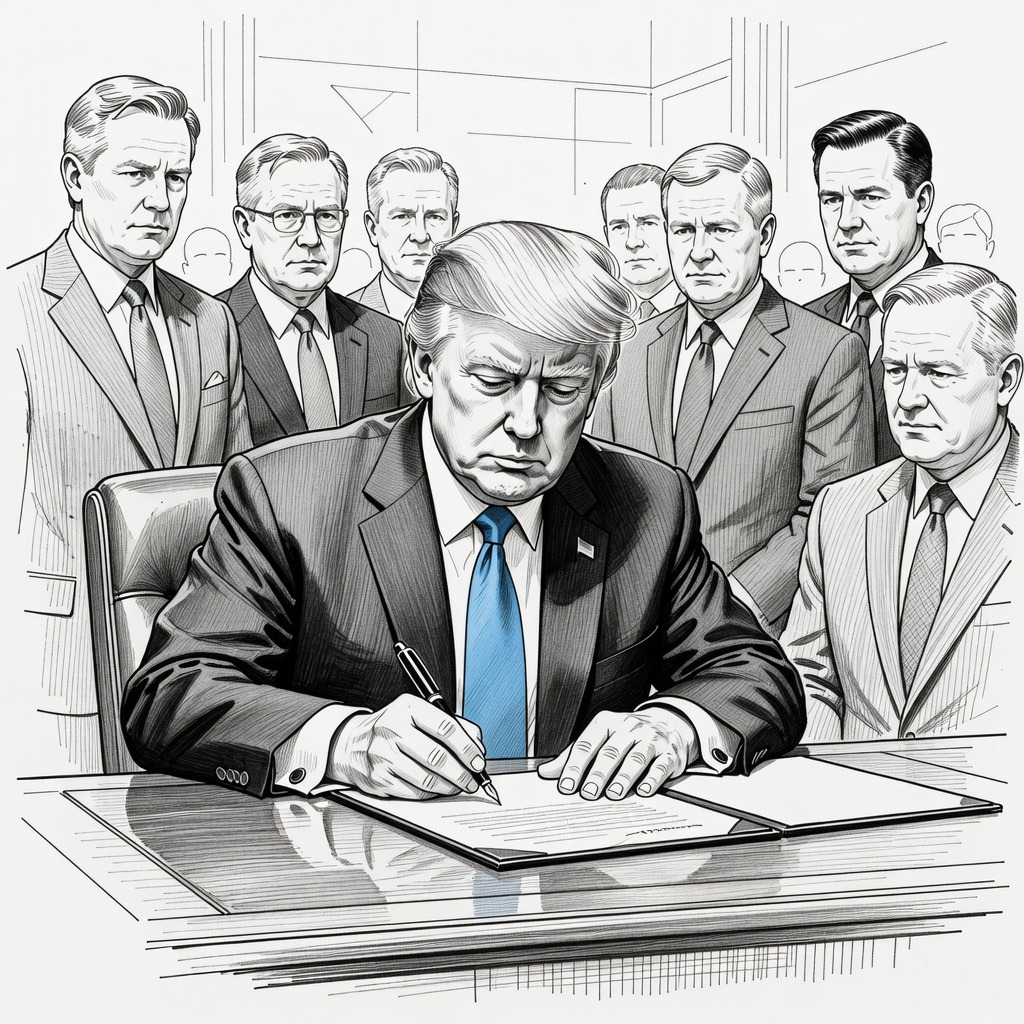
• Weaponizing Federal Administrative Apparatus Directing the Department of the Interior to rename a shared body of water exploits domestic administrative mechanisms for foreign policy leverage. Framing access to shipping and recreation as dependent strictly on American stewardship dismisses the legitimate co-ownership and historical rights of neighboring nations. This administrative overreach prioritizes symbolic nationalist dominance over genuine multilateral dialogue.
• Igniting Global Public Friction The visible demonstration at the FIBA Women's Basketball World Cup in Berlin illustrates how domestic policy maneuvers generate widespread international discontent. Exporting diplomatic disputes into international cultural and athletic arenas damages broader goodwill and invites public resistance. Relying on aggressive naming strategies risks hardening diplomatic stances rather than fostering productive trade negotiations.
How it may affect me
As a U.S. reader:
• Official domestic maps, databases, and federal records will reflect updated designations modified through the Geographic Names Information System.
• Recreational users and commercial shipping operators across the Great Lakes network may see increased federal security and domestic resource deployment to maintain waterway access.
• Cross-border commerce and continental supply chains could experience lingering effects from escalated diplomatic friction and stalled trade negotiations with Canada.
• U.S. citizens and athletes participating in or attending international cultural and sporting events may encounter public protests and geopolitical pushback abroad.