
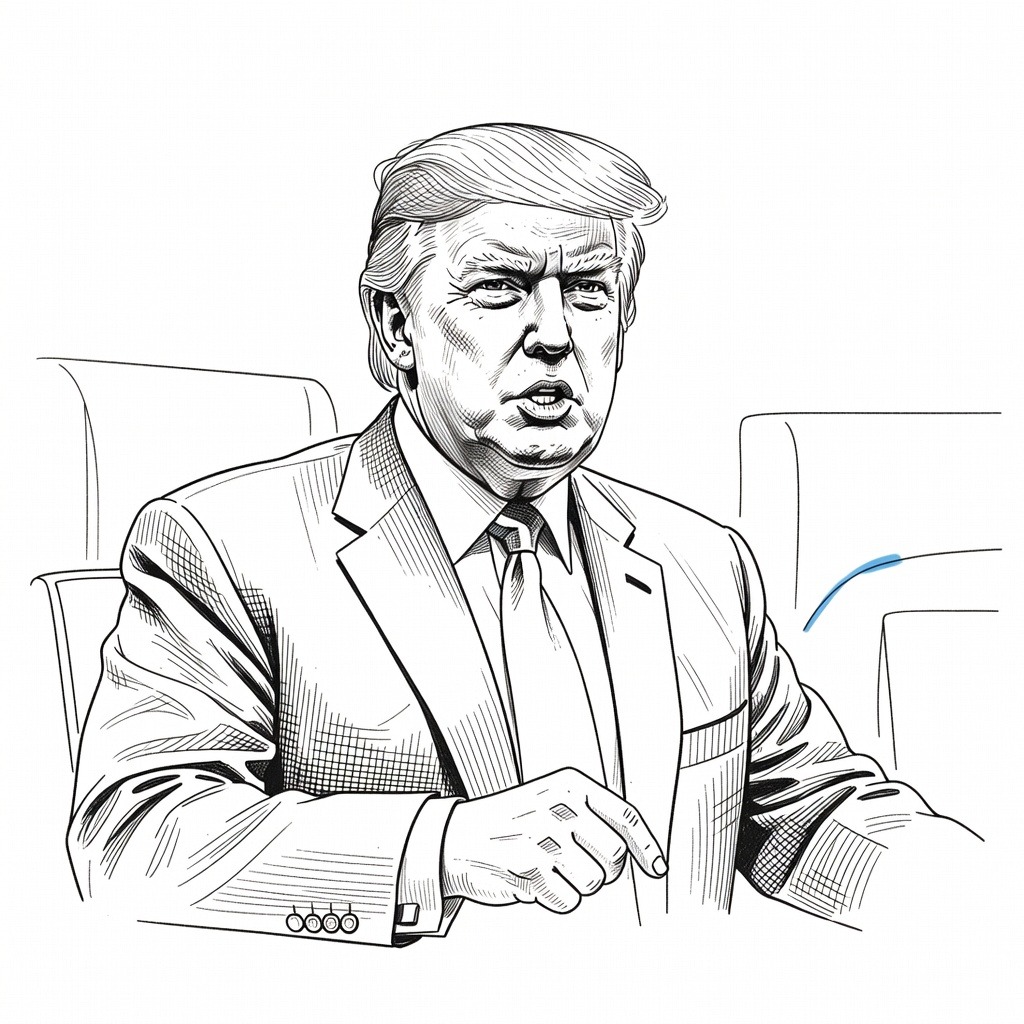
AI-generated illustration. Visual interpretation does not represent real individuals or scenes.
Treasury Yields Rise and Trump Demands Rate Cuts Following Strong August Jobs Report
2026-09-04
The BareStory
United States Treasury yields climbed on Friday after data showed the economy added 162,000 jobs in August, exceeding expectations. The stronger-than-projected labor figures pushed the 2-year Treasury note yield to 4.372%, reaching its highest level since January 2025, while the 10-year yield rose to 4.774%. Market data indicated that the probability of a quarter-percentage-point interest rate increase at the Federal Reserve’s mid-September policy meeting rose following the report.
Following the jobs release, President Donald Trump demanded that the Federal Reserve reduce interest rates. In a social media post, Trump threatened to halt trade with nations running trade surpluses with the United States if the central bank does not lower rates, contending that current economic conditions warrant lower borrowing costs. Vice President JD Vance also called this week for the central bank to reduce rates to improve housing affordability.
The demands come amid differing views on the path of monetary policy. Federal Reserve Chairman Kevin Warsh previously stated that interest rate increases could be utilized to bring inflation down to the central bank’s 2% target. Meanwhile, National Economic Council Director Kevin Hassett stated on Friday that the administration respects the Federal Reserve's independence and noted that a strong case exists for keeping interest rates steady. The Federal Reserve declined to comment on the president's statements.
Left Perspective
Shielding Central Bank Autonomy
Taming Overheating Labor Markets
Averting Trade Shock Volatility
Right Perspective
Unlocking Working-Class Housing Affordability
Defending Domestic Production Competitiveness
Preventing Premature Economic Chokeholds
Left Perspective
• Shielding Central Bank Autonomy
Monetary stability requires central banks to operate without political coercion to anchor long-term economic predictability. Political demands to lower rates—paired with threats to halt trade with surplus nations—undermine institutional credibility and risk reigniting price instability. Upholding the Federal Reserve's mandate to reach its 2% inflation target ensures policy decisions remain anchored in macroeconomic data rather than executive pressure.
• Taming Overheating Labor Markets
Protecting real wages requires monetary discipline when labor indicators signal persistent economic expansion. The addition of 162,000 jobs in August demonstrates strong economic momentum that does not warrant premature rate reductions. Market reactions pushing the 2-year Treasury yield to 4.372% and the 10-year yield to 4.774% reflect necessary adjustments to contain demand-driven inflationary pressures.
• Averting Trade Shock Volatility
Conditioning international trade access on domestic monetary policy decisions introduces systemic instability into global commerce. Threatening trade restrictions against surplus nations to force rate cuts risks retaliatory trade actions and supply chain bottlenecks that ultimately raise consumer costs. Long-term prosperity relies on maintaining predictable trade rules and independent monetary stewardship.
Right Perspective
• Unlocking Working-Class Housing Affordability
Broad economic prosperity requires reducing borrowing costs so families can access essential credit and build home equity. Rising yields—with the 10-year Treasury note reaching 4.774%—place excessive pressure on consumer mortgages and stall real estate activity. Urging the central bank to cut interest rates directly targets the cost-of-living crisis by making housing financing accessible to average citizens.
• Defending Domestic Production Competitiveness
National economic strength depends on ensuring domestic industries are not penalized by elevated capital costs while competing against foreign exporters. Demanding interest rate reductions aligns monetary policy with national trade objectives and counters imbalances with trade-surplus nations. Utilizing executive pressure ensures that technocratic institutions actively support domestic industrial output and pro-growth policies.
• Preventing Premature Economic Chokeholds
Capital investment thrives on accessible credit, and raising interest rates during solid expansion risks stifling private sector momentum. While the economy added 162,000 jobs in August, raising rates at the mid-September meeting threatens to curtail business expansion. Maintaining steady or lower rates protects capital formation and prevents excessive monetary tightening from inducing an unnecessary slowdown.
How it may affect me
As a U.S. reader:
• You may experience higher borrowing costs and mortgage rates in the short term due to climbing Treasury yields and the increased likelihood of a Federal Reserve interest rate hike, affecting housing affordability.
• You could see consumer price inflation cool toward the target rate over time if the central bank raises or maintains interest rates, whereas lowering rates prematurely risks reigniting price instability.
• You might face increased prices on consumer goods and supply chain disruptions if proposed trade halts against nations with trade surpluses are implemented.
• Your employment environment and access to credit could be impacted, as higher rates risk curtailing private sector business expansion while lower rates are intended to support ongoing capital investment.