
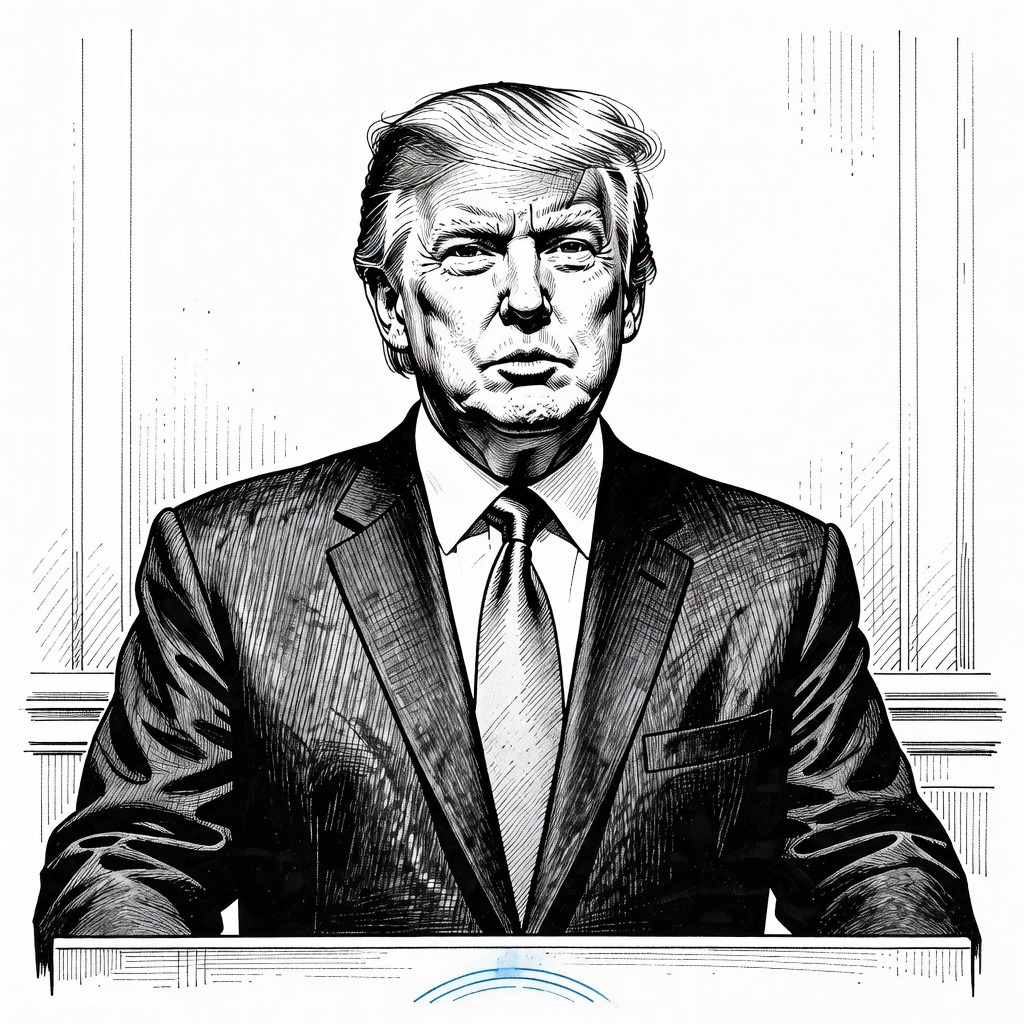
• Shielding Scholarship from Political Coercion Scholarly integrity requires that national cultural institutions operate free from executive branch ideological mandates. Threatening to withhold discretionary grants, artifact loans, and agency cooperation represents an aggressive exertion of political leverage over independent research. Smithsonian leadership emphasizes that rigorous scholarship and nonpartisanship govern its exhibits, not partisan allegiance. Subordinating historical curation to executive pressure undermines the credibility of public knowledge.
• Defending Comprehensive Historical Inquiry Public cultural institutions bear an essential responsibility to present a complete, multi-faceted narrative of the nation's history. Allegations of ideological activism often serve as a pretext to suppress critical historical perspectives and civil rights education. When curators address systemic societal struggles, they fulfill a fundamental educational mandate rather than taking partisan sides. Restricting federal assistance penalizes standard museum practices that reflect modern, evidence-based historical scholarship.
• Resisting Executive Cultural Overreach Financial and administrative coercion establishes a dangerous precedent for state-enforced orthodoxy across independent cultural bodies. Because the Smithsonian relies on federal cooperation across its 21 museums, weaponizing interagency support threatens to destabilize broad educational programming. Allowing political appointees to dictate exhibit content compromises essential institutional boundaries. The long-term risk is an environment of institutional self-censorship driven by the threat of administrative retaliation.
How it may affect me
As a U.S. reader:
• In the short term, your visits to Smithsonian facilities may be impacted if federal agencies suspend artifact loans, discretionary grants, and administrative support for exhibits and programs.
• You may see adjustments in the presentation of American history and cultural exhibits as the museum system faces pressure to modify content criticized for political bias.
• Over the long term, federal intervention and the potential withholding of resources could alter the scope of educational programming, research, and historical perspectives presented to the public.
• As a taxpayer contributing to the institution's congressional appropriations, you may see increased executive oversight aimed at enforcing compliance with federal civil rights laws and neutrality standards.