
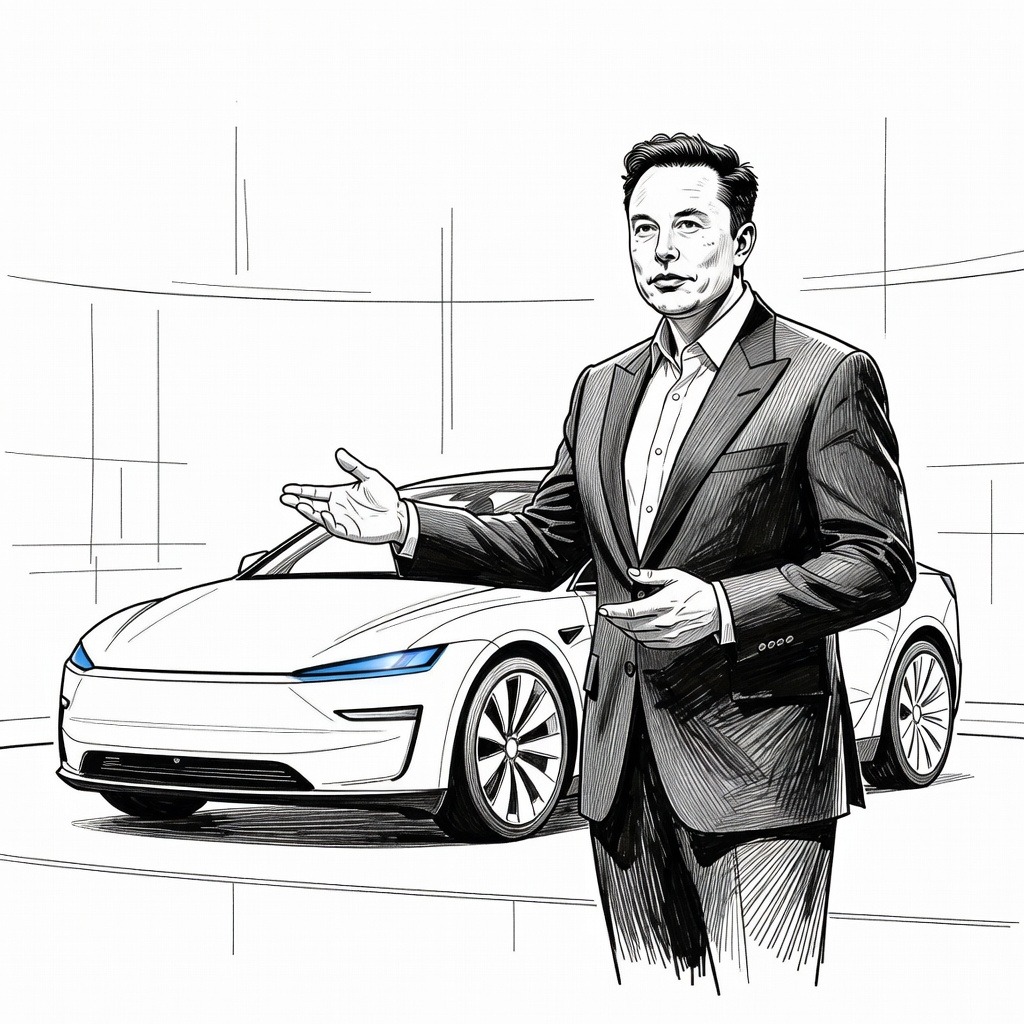
• Prioritizing Caution Over Premature Rollouts Public safety must supersede private corporate milestones, making the removal of steering wheels and pedals a profound concern. Deploying 45 fully driverless Cybercabs authorized in Texas and an estimated 200 across multiple cities shifts experimental risk onto public roads. The presence of two active federal investigations by the National Highway Traffic Safety Administration signals that critical automated driving safety questions remain unresolved before broad consumer exposure occurs.
• Speculative Hype Masks Structural Deficits Financial markets frequently reward promotional optics over tangible product reliability, elevating systemic financial risk for everyday investors. The surge in call options trading outnumbering puts by two-to-one reflects speculative momentum aimed at reversing a 21 percent annual stock decline rather than proven operational success. Staging invitation-only showcases creates an artificial sense of technological readiness that distorts realistic economic valuations and diverts scrutiny from underlying technical challenges.
• Erosion of Robust Regulatory Oversight State-level authorization frameworks risk undercutting comprehensive federal standards designed to protect vehicle occupants and pedestrians alike. Discrepancies between aggressive commercial rollouts in select states and ongoing federal defect inquiries highlight the danger of regulatory arbitrage. Without rigorous, independent validation prior to removing human fail-safes, rapid deployment models prioritize corporate speed over fundamental public accountability.
How it may affect me
As a U.S. reader:
• Residents in parts of Texas and Florida may encounter driverless robotaxis without steering wheels or pedals on public roads while federal defect investigations into automated driving technology remain active.
• Everyday investors may face increased financial volatility resulting from heavy speculative options trading tied to autonomous vehicle deployment milestones.
• Commuters could eventually experience new mobility alternatives and potentially lower transit costs if autonomous fleets scale successfully across more cities.
• The public may be impacted by disparities between state-level authorizations for autonomous operations and unresolved federal safety reviews.