Federal Judge Evaluates Injunction on Mail-in Voting Rules Ahead of Midterms

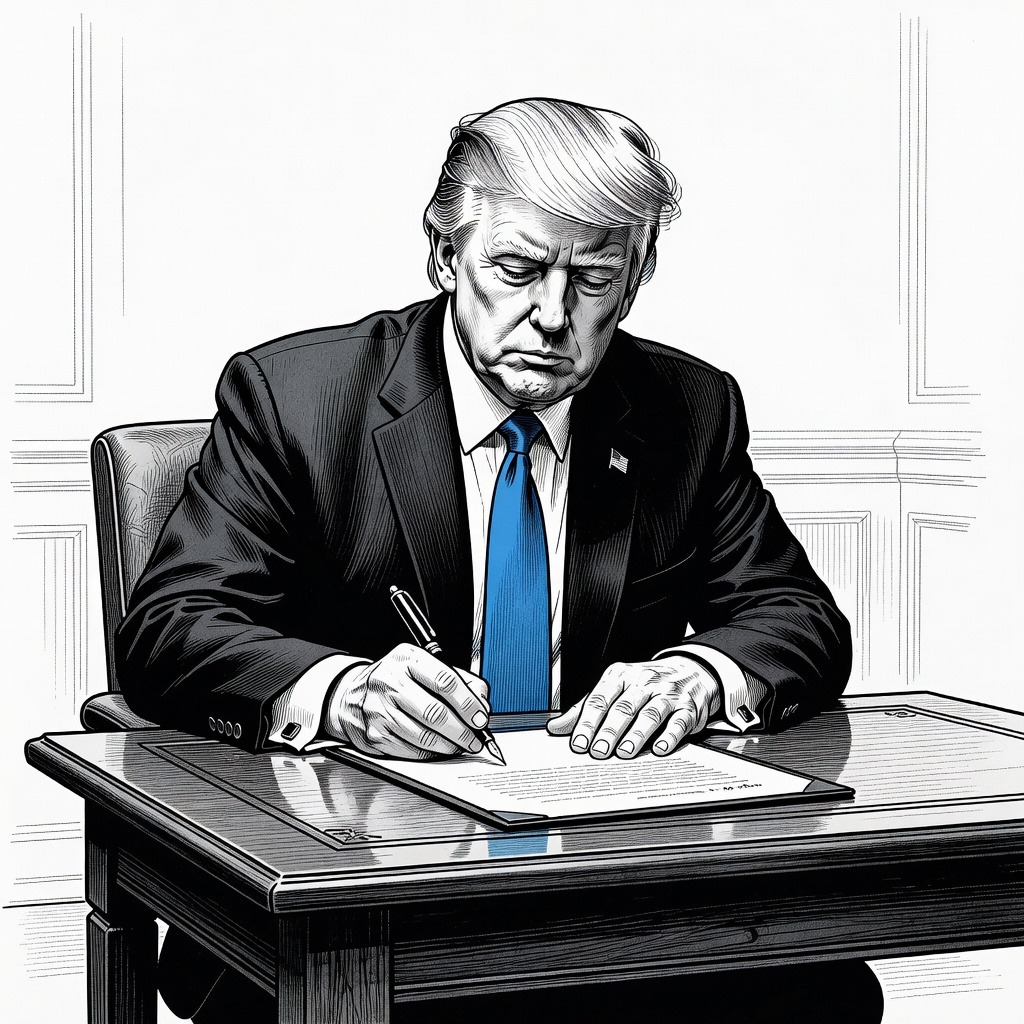
Illustration for: Federal Judge Evaluates Injunction on Mail-in Voting Rules Ahead of Midterms
AI-generated illustration. Visual interpretation does not represent real individuals or scenes.

THE BARE STORY

A federal judge in Boston is weighing whether to extend an order blocking new U.S. Postal Service regulations that tighten mail-in voting procedures ahead of the November midterm elections. U.S. District Judge Indira Talwani previously issued a temporary order halting the policy, finding that the measures risk disenfranchising voters and that states lack the time and resources to update systems and redesign ballots before voting begins.

The legal battle centers on a March executive order issued by President Donald Trump directing federal agencies to assist with voter roll audits and instructing the Postal Service to implement ballot-tracking measures. Under the rules, states are required to use specific ballot designs featuring unique barcodes and submit voter identification data to a federal portal, with the policy allowing the Postal Service to halt delivery of absentee ballots from non-compliant states.

A coalition of Democratic state attorneys general and voting rights organizations filed lawsuits challenging the directive, arguing that the regulations are unconstitutional, cause administrative disruption, and unlawfully interfere with state election management. Voting rights groups also submitted a whistleblower disclosure alleging potential ballot delivery failures under the system.

The Justice Department, President Trump, and a coalition of Republican-led states have defended the directive as a necessary safeguard to protect election integrity and verify voter eligibility. Alabama Attorney General Steve Marshall stated the measures provide essential protections against mail-in voting vulnerabilities, while the Postal Service maintained that it does not determine voter eligibility or count ballots.

Judge Talwani has pressed the Justice Department for operational details on how the rules would be executed. Meanwhile, the administration has sought relief from the First Circuit Court of Appeals and indicated it may ask the Supreme Court to intervene if the lower court does not issue a prompt ruling.

Same Facts. Different Perspectives.

Two AI models. Two viewpoints. One factual foundation.

• Shielding The Fundamental Franchise Democratic participation depends upon unobstructed ballot access and the prevention of arbitrary disenfranchisement. Imposing sudden mandates—such as requiring custom barcodes, federal portal integration, and authorizing the Postal Service to halt ballot deliveries—creates insurmountable barriers for voters. When administrative compliance is weaponized to discard or delay ballots, the state fails in its primary duty to protect civil liberties.

• Protecting Decentralized State Autonomy Constitutional governance relies on preserving the authority of individual states to manage their own electoral procedures without federal overreach. Compelling local election administrators to overhaul systems and redesign ballots immediately before midterms creates severe logistical disruption. The executive order unlawfully intrudes on localized administration, placing an unmanageable burden on state resources.

• Preventing Manufactured Operational Chaos Untested regulatory overhauls implemented on tight deadlines introduce severe systemic risks to election infrastructure. Whistleblower disclosures regarding potential delivery failures demonstrate that abruptly altering postal handling protocols threatens the reliable transmission of absentee votes. Halting these measures via judicial injunction is necessary to prevent preventable administrative disenfranchisement and ensure stable election administration.

How it may affect me

As a U.S. reader:

• In the short term, you could experience delivery delays or halted Postal Service delivery of your mail-in ballot if your state does not meet new federal design and voter data requirements.

• You may receive redesigned absentee ballots containing unique barcodes and federal tracking mechanisms for the upcoming midterm elections.

• In the long term, you may see standardized national tracking and voter roll verification applied to your absentee voting process to monitor the chain of custody.

• You may face shifting voting procedures as the case continues through federal appeals courts or the Supreme Court before election day.

Read the story at

Note: All TheBareNews content is AI-generated. For additional context, reporting, and updates, you are invited to explore the news outlets linked above.