
• Scrutinize Capital Charge Enhancements Civil liberties frameworks emphasize strict restraint regarding capital eligibility and state power. Robinson's defense properly challenges the aggravating factors required for the death penalty, arguing that a single shot does not inherently establish intentional mass endangerment. High-stakes political cases demand heightened scrutiny to ensure legal thresholds are not expanded under intense public pressure.
• Guard Evidentiary Intent Thresholds Due process principles mandate that judicial inferences regarding a defendant’s state of mind remain subject to rigorous testing. While Judge Graf determined that the physical proximity of bystanders supported an inference of awareness, inferring intent at a preliminary hearing is distinct from proving it beyond a reasonable doubt. Preserving strict standards for criminal intent protects against prosecutorial overreach in high-profile proceedings.
• Address Root Drivers of Radicalization Reformer perspectives view political violence as a systemic failure that cannot be resolved solely through punitive measures. The fatal shooting at Utah Valley University highlights how severe political polarization translates into acute public danger. Focusing exclusively on maximum sentencing overlooks the urgent need to address the underlying societal fractures that fuel ideological violence.
How it may affect me
As a U.S. reader:
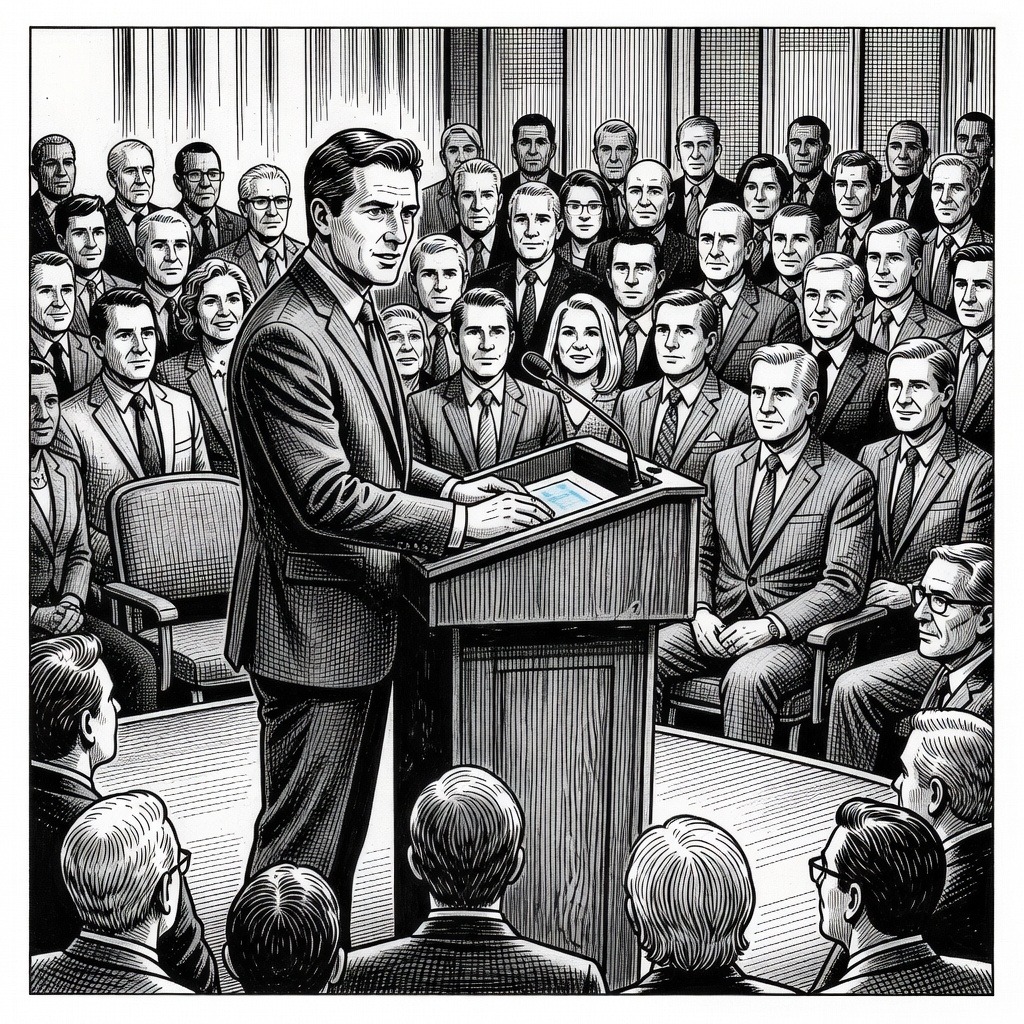
• Attendees of political rallies, university speeches, and large civic gatherings may see heightened attention to safety standards and legal protections for open public assembly.
• The trial could clarify legal thresholds regarding how discharging a weapon in crowded public spaces is classified for aggravated offenses and capital penalties.
• The public may see this high-profile proceeding serve as a benchmark for how strictly courts evaluate defendant intent and civil liberties protections under public pressure.
• In the longer term, the case highlights ongoing risks to public safety stemming from severe political polarization and ideological violence in civic life.