
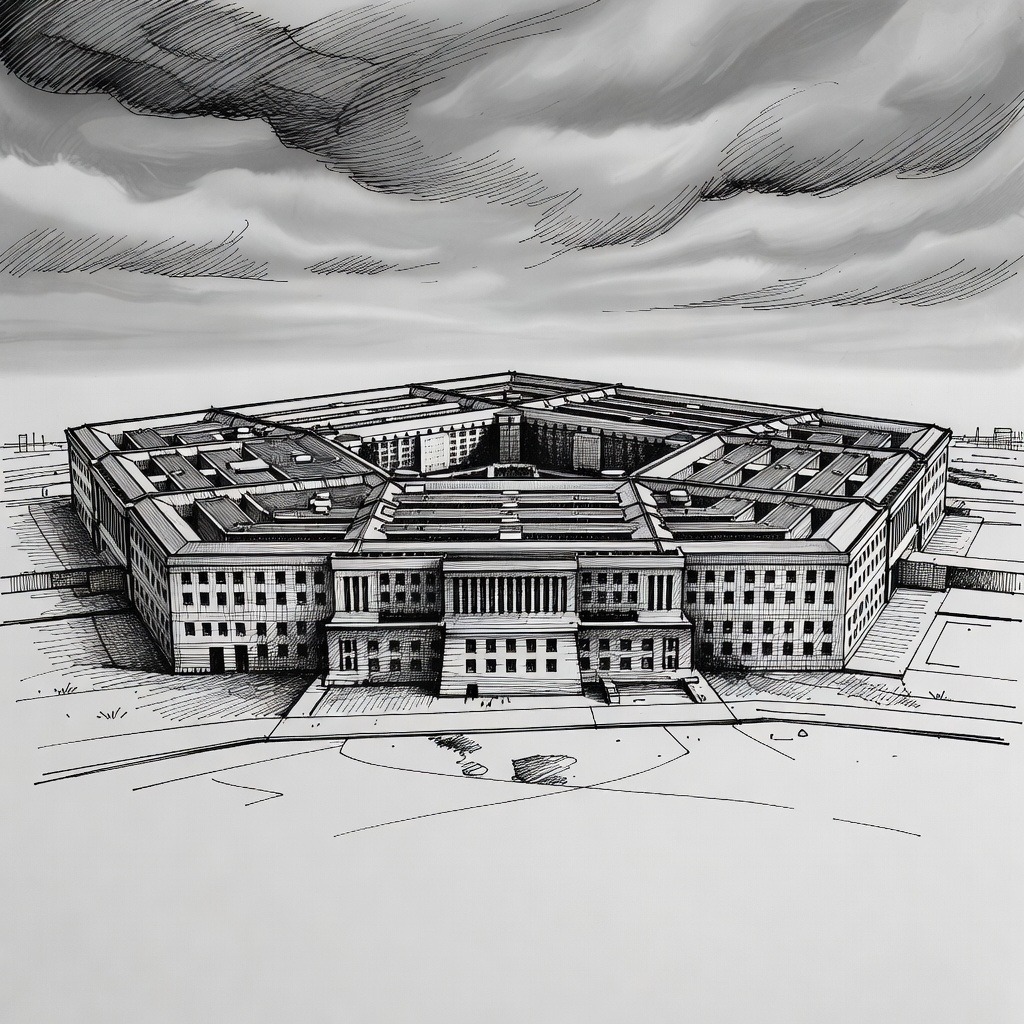
• Protecting Nonpartisan Military Continuity Institutional integrity relies on stable, merit-based career leadership rather than abrupt political dismissals. Army Secretary Dan Driscoll’s resignation, following the ouster of the Navy secretary and Army chief of staff, signals an erosion of institutional memory and operational stability across the senior ranks. When seasoned flag officers are sidelined, the structural independence and professional expertise of the defense establishment become severely compromised.
• Challenging Disruptive Management Priorities Defense readiness must be anchored in technical competence and strategic modernization rather than contentious ideological agendas. Disagreements over emerging technologies and officer dismissals highlight how executive micromanagement can derail long-term modernization efforts. Forcing qualified flag officers out over disagreements compromises internal morale and signals that loyalty is being prioritized over tactical and administrative competence.
• Preventing Critical Leadership Deficits Depleting the armed forces' highest echelons creates dangerous administrative vacancies and command vulnerabilities. Warnings delivered to the White House regarding depleted leadership ranks reflect a legitimate threat to systemic readiness during a period of complex global challenges. Without established, experienced personnel steering service branches, the military risks operational gridlock and impaired oversight.
How it may affect me
As a U.S. reader:
• In the short term, leadership vacancies across the military service branches may affect operational stability and the overall readiness of the armed forces.
• Long-term national defense posture could be shaped by whether administrative friction delays modernization programs or accelerates the adoption of emerging technologies.
• Public defense policy and governance may shift as lawmakers and the White House continue to contest civilian oversight and executive control over senior military appointments.