
• Entangling Corporate State Power Partnering directly with state-owned Petróleos de Venezuela SA compromises democratic accountability in pursuit of resource extraction. Chevron's expanded joint ventures reward an entrenched state monopoly rather than conditioning economic engagement on governance reforms. Diplomatic validation via U.S. Energy Secretary Chris Wright's official visit signals that short-term output quotas have superseded fundamental human rights and institutional integrity.
• Locking In High-Carbon Extraction Committing $7 billion over five years to extract heavy Orinoco Belt petroleum deepens global dependence on the most carbon-intensive grades of crude. Exploiting heavy crude requires immense energy processing, directly conflicting with necessary environmental priorities and sustainable modernization. Channeling immense private capital into long-horizon fossil projects delays critical clean-energy transitions and locks in decades of pollution.
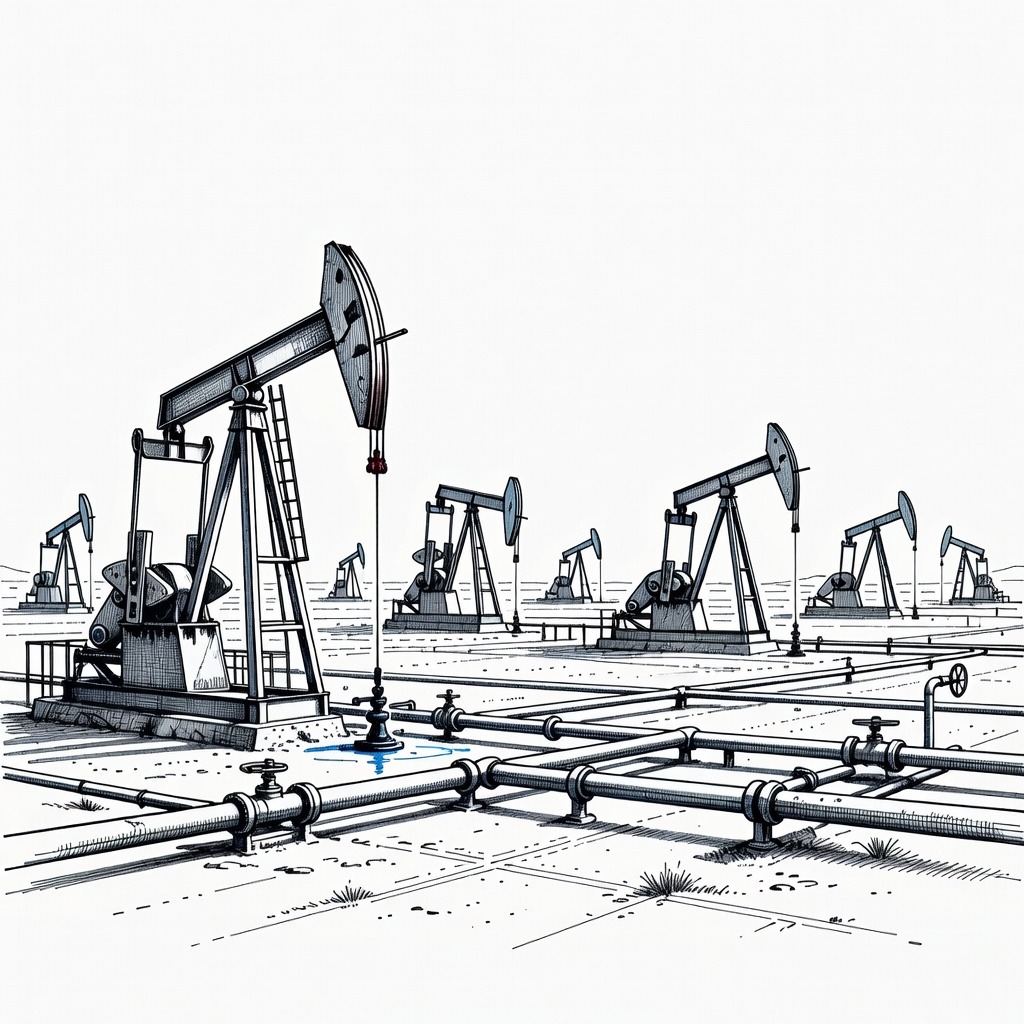
• Subsidizing Degraded State Infrastructure Pouring massive capital into Venezuela's decayed energy foundation represents an inefficient gamble that historically fails to benefit ordinary citizens. Industry warnings that production ramp-ups will take years expose the structural vulnerability of relying on neglected industrial assets. Extractive windfalls disproportionately enrich multinational balance sheets and state elites while shifting environmental and operational risks onto local populations.
How it may affect me
As a U.S. reader:
• In the long term, expanded production of up to 600,000 barrels per day could strengthen energy supplies and help protect consumers from price shocks, although severe infrastructure decay means supply increases will take years to materialize.
• The five-year investment in extracting heavy crude directs substantial capital into carbon-intensive fossil fuel infrastructure, which may slow broader transitions toward clean energy.
• Increased commercial and diplomatic engagement by U.S. officials aims to secure Western Hemisphere energy supply chains and regional influence, while shifting foreign policy priorities toward resource access over foreign governance reforms.