
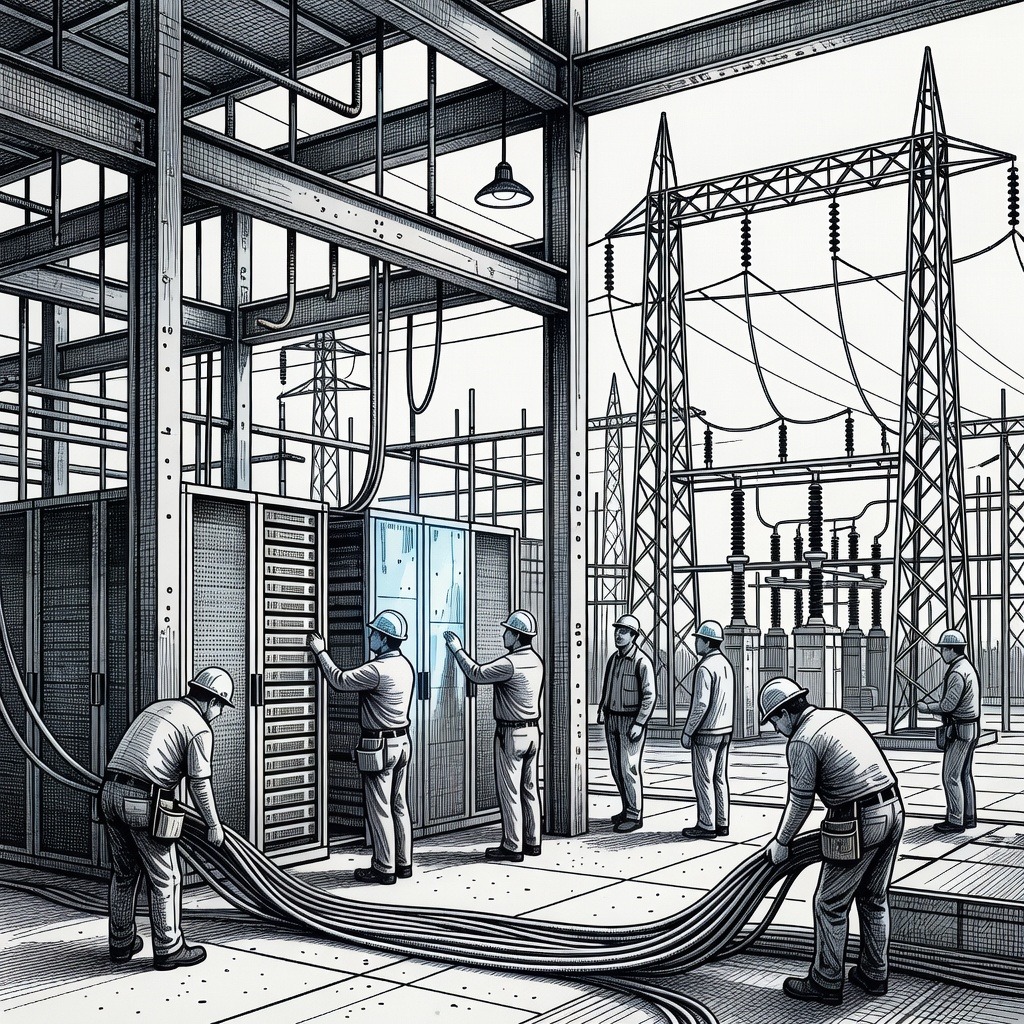
• Exposing Circular Valuation Bubbles Interlocking financial relationships between SB Energy, OpenAI, SoftBank, and Nvidia create self-reinforcing valuation loops that obscure genuine market demand. Raising up to $7 billion from public markets while reporting a $3.2 billion net loss and zero operational data centers shifts private venture risk onto retail investors. When a company's near-term viability rests almost entirely on leases from its own equity partners, it signals an insular ecosystem rather than sustainable commercial traction.
• Externalizing Ecological Community Burdens Large-scale artificial intelligence power infrastructure threatens regional stability through intense resource consumption and land use without proven public benefit. Dismissing public apprehension regarding heavy water and power consumption overlooks the immediate strains imposed on local municipal utilities. Regulatory moratoria and community pushback reflect legitimate grassroots resistance against utility infrastructure being monopolized for corporate computational profit.
• Inflating Subsidized Speculative Assets Committing vast capital expenditures to non-operational facilities creates structural exposure to technological obsolescence before any infrastructure goes online. Relying on legacy energy revenue of just $139 million to justify multi-billion-dollar market capitalizations relies on speculative euphoria rather than sound fundamentals. Public capital markets must not be used as an exit liquidity mechanism for early insiders seeking to offload unbuilt, high-risk assets.
How it may affect me
As a U.S. reader:
• Public and retail investors will be able to purchase shares in SB Energy on public stock exchanges, taking on financial exposure to a firm with significant net losses, unbuilt data centers, and heavy reliance on OpenAI.
• Residents in areas targeted for artificial intelligence infrastructure projects may see increased strain on local municipal water and energy utilities.
• Local communities near planned facilities may face debates, pushback, or regulatory moratoria over land use and resource consumption.
• Over the long term, the public financing of these projects could help expand and upgrade domestic power grid capacity to accommodate rising computing demands.