
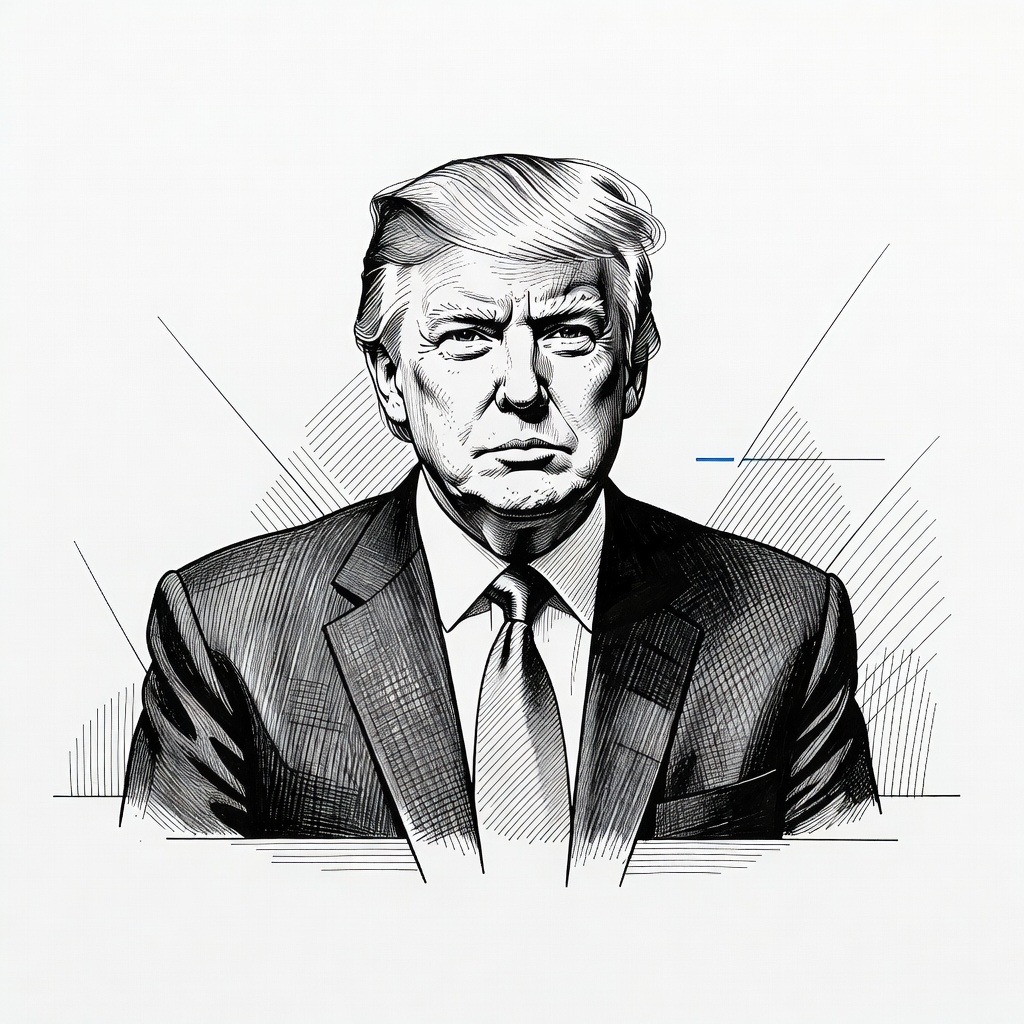
• Challenging Unilateral Executive Overreach Democratic governance requires institutional restraint and alignment with public consensus rather than arbitrary symbolic mandates. With 63% of surveyed citizens opposing the renaming of Lake Ontario and 57% opposing the 50% reciprocal tariffs, this unilateral executive order represents an unaccountable divergence from public will. Prioritizing domestic stability requires checking top-down decrees that serve political posturing rather than measurable civic needs.
• Defending Historical Factual Integrity Preserving established geographic and historical designations protects civic continuity against political manipulation. MapQuest’s decision to retain the original name grounded navigation in shared reality, earning widespread public validation through its ascent to the top ranking on the App Store. When digital platforms and institutions safeguard historical norms against state-directed revisions, they protect the integrity of public information.
• Mitigating Destructive Diplomatic Friction Provocative nationalist gestures risk severing long-standing alliances and destabilizing cross-border stability for minimal strategic gain. Enacting severe 50% reciprocal tariffs alongside provocative geographic claims unnecessarily escalates tension with a vital neighbor without resolving core structural challenges. This confrontational trajectory threatens economic predictability and mutual security cooperation by prioritizing nationalistic symbolism over measured diplomacy.
How it may affect me
As a U.S. reader:
• You may encounter inconsistent geographic names across digital navigation apps, with Google Maps displaying Lake America while Apple Maps and MapQuest continue showing Lake Ontario.
• You could be affected by reciprocal 50% tariffs applied to various goods involved in the ongoing trade dispute between the United States and Canada.
• In the long term, domestic workers and industries may experience increased protections aimed at shielding them from foreign trade competition.