
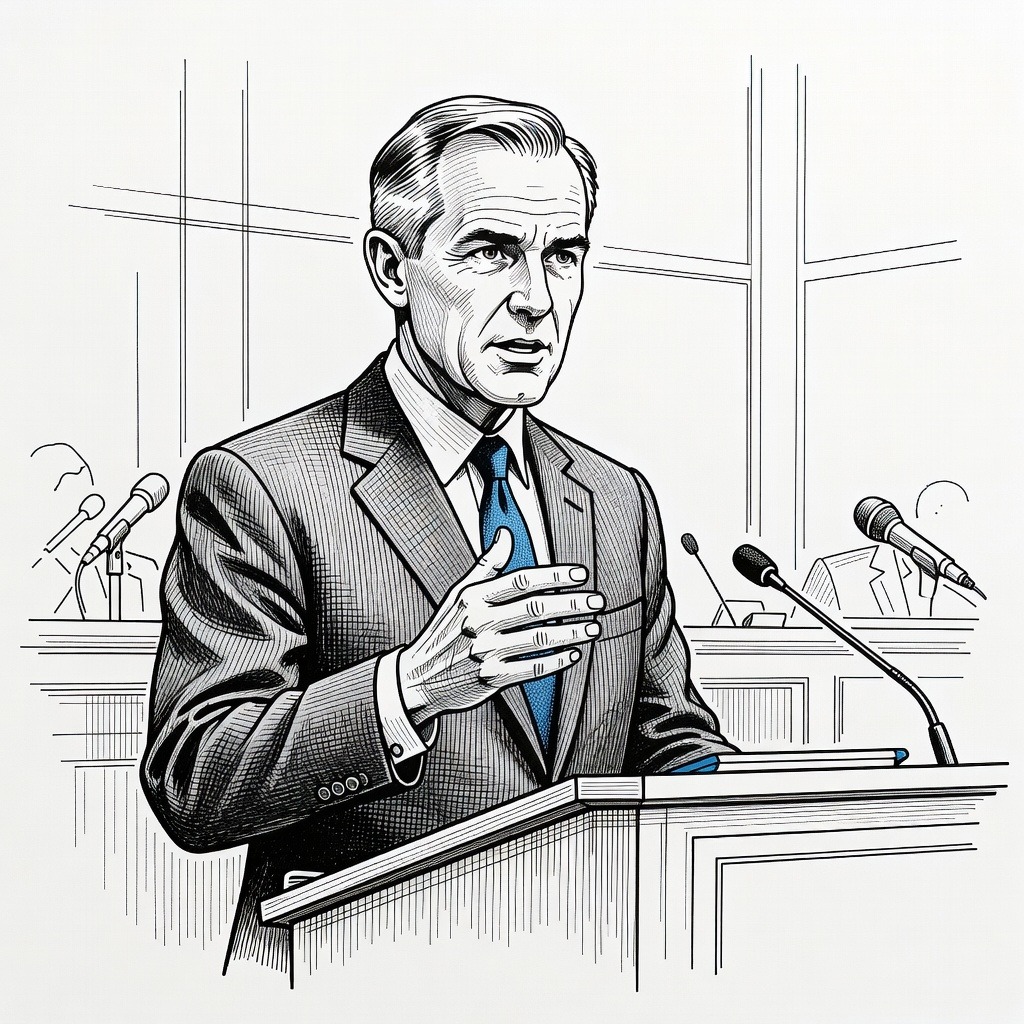
• Shield Sovereign Identity and Core Industries National sovereignty must not be traded away under economic pressure from a larger trading partner. The Canadian automotive sector, along with legal protections for the French language and Quebec's cultural heritage, represent vital national interests that cannot be compromised for a swift deal. Relenting to unilateral demands would fundamentally erode institutional autonomy and establish a precedent where domestic policy is dictated externally.
• Counter Unilateral Escalation with Proportional Deterrence Targeted reciprocal tariffs establish a necessary baseline of resistance against aggressive economic tactics. Enforcing 15% to 50% tariffs across more than 700 American goods demonstrates that economic coercion carries immediate, tangible costs for the aggressor. Without firm retaliatory mechanisms, smaller economies risk inviting perpetual exploitation by larger trade counterparts.
• Dismantle Devaluing Rhetoric and Coercive Posturing Meaningful bilateral trade requires baseline mutual respect and formal institutional discipline. Disparaging commentary targeting military cadets and symbolic provocations such as renaming shared geographical landmarks undermine productive diplomacy. Sustainable agreements cannot emerge while one party substitutes serious bilateral negotiation with performative economic and cultural hostility.
How it may affect me
As a U.S. reader:
• In the short term, you may face higher prices on Canadian imports subject to the 50% U.S. tariffs on $20 billion worth of goods.
• If you work in or rely on industries that export to Canada, your products may face retaliatory tariffs ranging from 15% to 50% across more than 700 categories starting September 8.
• In the longer term, workers and consumers connected to the automotive sector may experience supply chain disruptions or restructuring as bilateral trade terms are contested.
• You will see federal agencies officially refer to Lake Ontario as Lake America in government communications.