
• Shield Civilians from Devastation Human life and fundamental human rights must take precedence over geopolitical dominance. The severe civilian toll, exemplified by the 38 deaths in Myla and Russia's launch of nearly 1,500 drones targeting residential areas, exposes the unacceptable human cost of prolonged military campaigns. Sustained warfare consistently degrades civilian survival networks, transforming essential food distribution hubs into battlegrounds.
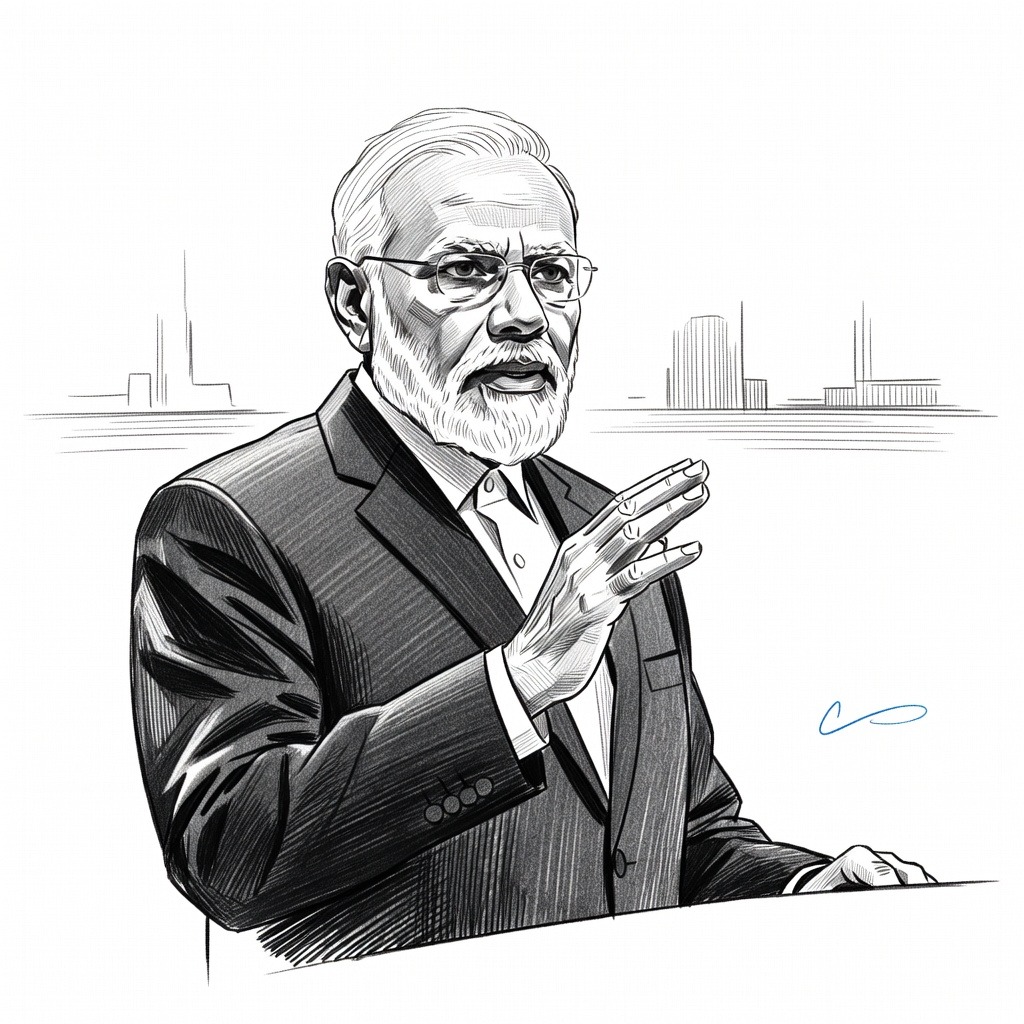
• Anchor Security in Dialogue Lasting regional stability emerges through diplomatic engagement rather than battlefield escalation. Prime Minister Modi’s direct appeal to Vladimir Putin at the Shanghai Cooperation Organization summit reinforces the necessity of prioritizing peaceful negotiations over armed conflict. Diplomatic platforms provide the essential framework to de-escalate hostilities and address the compounding humanitarian crisis without expanding military confrontation.
• Halt Destructive Infrastructure Cycles The retaliatory cycle targeting energy and logistics infrastructure threatens to create systemic humanitarian disasters. Expanding strikes on energy distribution networks and food supply chains disproportionately punishes ordinary citizens who rely on basic utilities for survival. Without immediate de-escalation, the widening scope of structural destruction risks plunging millions of non-combatants into acute humanitarian peril.
How it may affect me
As a U.S. reader:
• Proposed congressional legislation to place tariffs on major importers of Russian oil, such as India and China, could influence the cost and trade of imported goods.
• Continued military targeting of energy infrastructure and regional distribution centers may lead to broader instability in international energy supply chains.
• Widespread damage to logistics hubs and retail food distribution networks abroad could disrupt global supply networks that affect consumer markets over time.