
Whistleblower Warns of Delays from Postal Service's Mail-In Ballot System

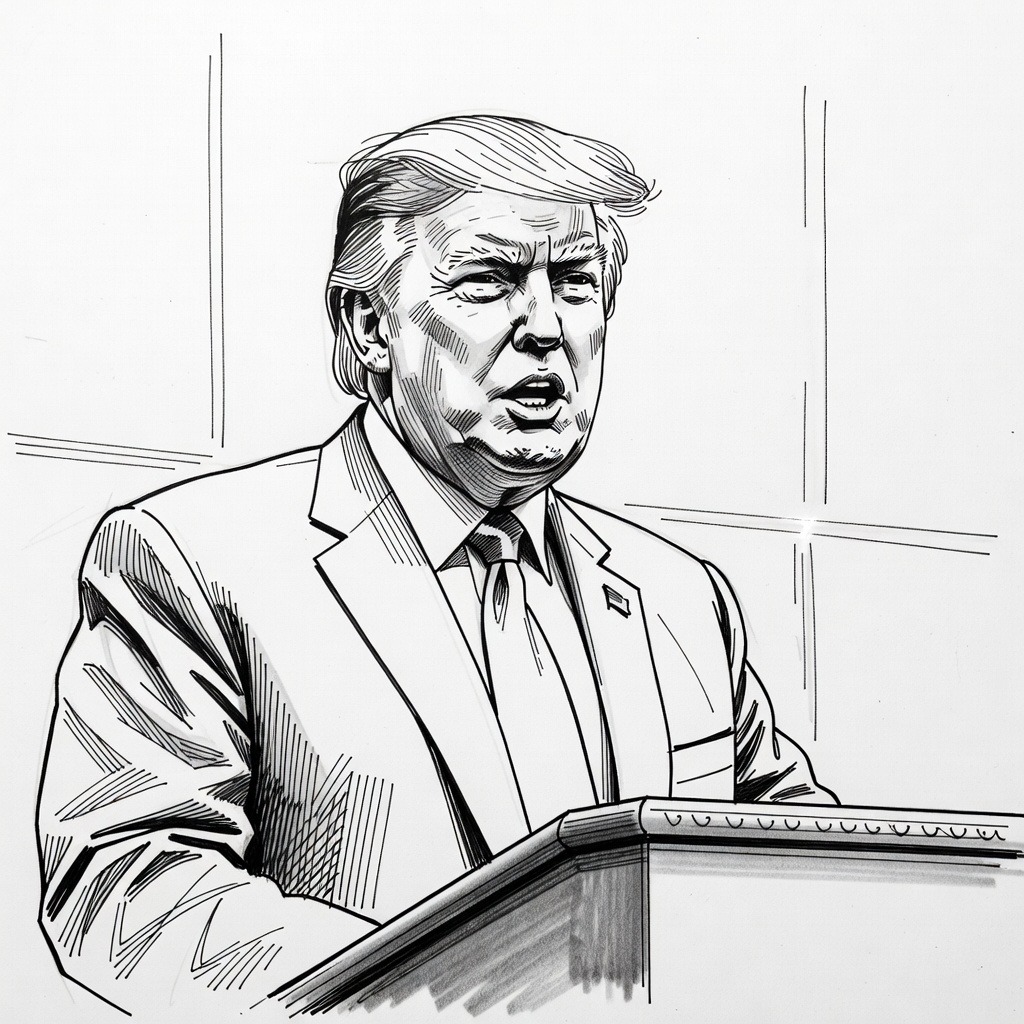
Illustration for: Whistleblower Warns of Delays from Postal Service's Mail-In Ballot System
AI-generated illustration. Visual interpretation does not represent real individuals or scenes.

THE BARE STORY

A federal whistleblower has warned that the United States Postal Service is expediting an untested online portal to implement mail-in voting directives ahead of the upcoming midterm elections, according to a disclosure submitted to the agency. The system, designed to enforce an executive order issued by President Donald Trump, requires state election officials to submit voter information and envelope barcodes to a federal database.

The disclosure, delivered to Postmaster General David Steiner by Democratic Senator Richard Blumenthal, alleges that postal leadership bypassed standard testing procedures to meet a September rollout deadline despite judicial orders temporarily halting the plan. According to the whistleblower, rigid barcode verification rules could trigger repeated verification cycles and significantly delay or prevent the delivery of large batches of mail-in ballots. Blumenthal called on the agency to abandon the project, arguing it threatens voting access.

The Postal Service maintained that it will not manage voter rolls, decide voter eligibility, or count ballots. Trump defended the directives, stating the measures are aimed at preventing non-citizens from voting illegally. Election experts and Democratic-led states have raised concerns that the federal requirements overstep constitutional limits on state election authority and could disenfranchise eligible voters.

The initiative remains subject to ongoing litigation. A federal district judge recently issued a temporary order blocking the Postal Service rule, finding that the agency likely lacks the authority to regulate mail-in voting. The administration has appealed the ruling to a federal appeals court.

Same Facts. Different Perspectives.

Two AI models. Two viewpoints. One factual foundation.

• Fortify Integrity Through Verification The rule of law requires robust verification mechanisms to ensure that only eligible citizens participate in federal elections. Implementing database checks and envelope barcode tracking establishes an essential chain of custody for mail-in ballots, directly addressing the risk of illegal voting by non-citizens. Ensuring electoral confidence requires standardizing security protocols across the national postal network.

• Enforce Legal Federal Directives Executive authority must be capable of directing federal agencies to uphold national standards within public infrastructure. The Postal Service maintains clear institutional boundaries by managing technical barcode verification without counting ballots or altering state voter eligibility rolls. Pursuing an appeal through federal court is the proper constitutional method to resolve jurisdictional disputes and validate administrative oversight.

• Protect Systemic Electoral Credibility Unmonitored expansion of mail-in voting without centralized verification protocols leaves democratic systems vulnerable and erodes public trust. Allowing ballots to bypass standardized federal validation risks compromising the integrity of election outcomes across state lines. Rapid deployment of compliance infrastructure is necessary to protect the legitimacy of the electoral system before ballots are cast.

How it may affect me

As a U.S. reader:

• In the short term, your mail-in ballot for the upcoming midterm elections could face processing delays or delivery failures due to an expedited, untested postal barcode verification system.

• Your voter details and ballot envelope barcodes may be submitted by state officials to a centralized federal database to track ballots and verify voter eligibility.

• You may encounter uncertainty regarding mail-in voting rules while federal appeals courts decide whether the Postal Service has the legal authority to enforce these regulations.

• In the long term, your mail-in voting process may incorporate standardized federal verification protocols to prevent illegal voting, or these measures could be dropped to prevent potential voter disenfranchisement.

Read the story at

Note: All TheBareNews content is AI-generated. For additional context, reporting, and updates, you are invited to explore the news outlets linked above.