
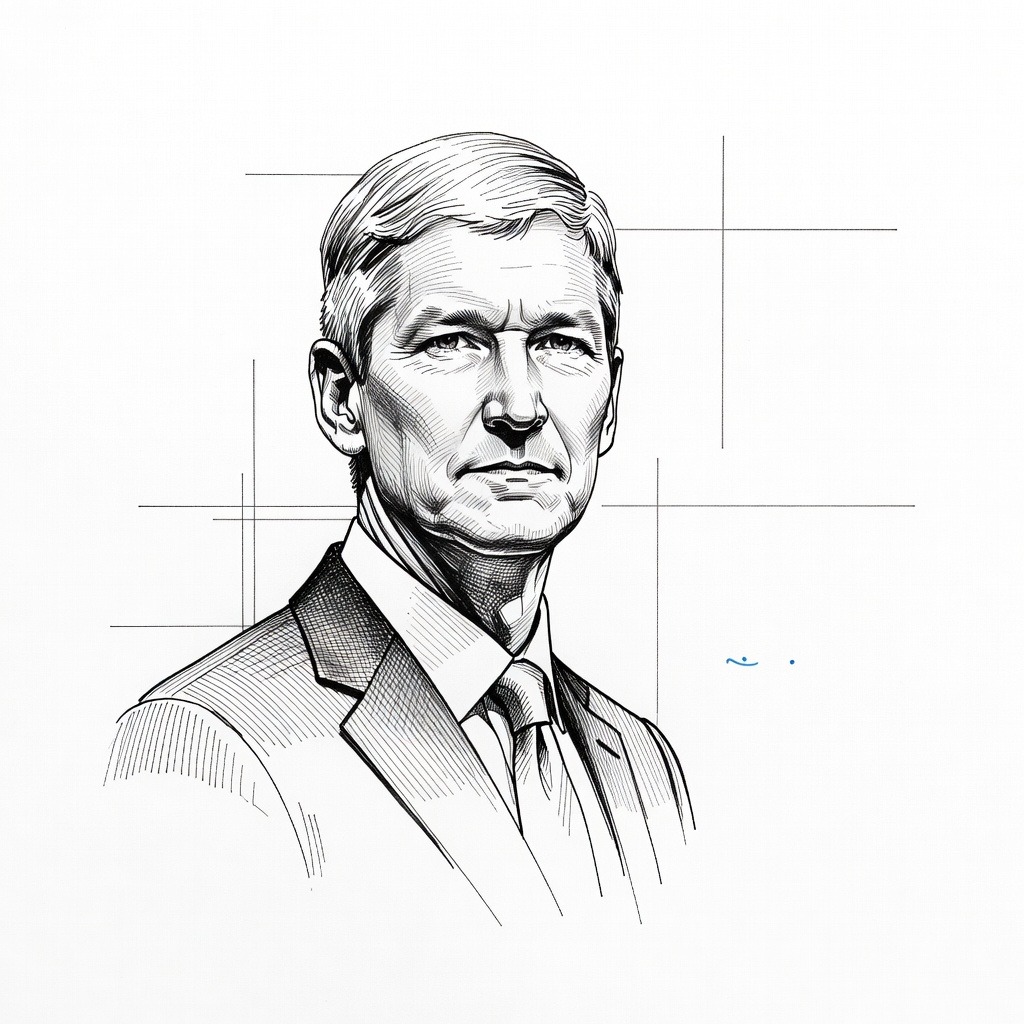
• Scrutinizing Extractive Value Capture Corporate valuation expansion from $350 billion to over $4.7 trillion reflects aggressive financialization rather than equitable consumer value. Sustained reliance on massive share buybacks rewards shareholders while masking plateauing foundational innovation. When corporate growth is driven by margin preservation and capital engineering, end users bear the long-term cost without receiving proportional technological leaps.
• Resisting Regressive Price Hikes Passing global memory component costs directly onto Mac and iPad buyers penalizes consumers for macroeconomic supply pinches. Rather than absorbing supply chain pressures through Apple's massive capital reserves, the firm protects its profit margins by raising hardware barriers to entry. Anticipated pricing adjustments ahead of new announcements signal a continued willingness to transfer enterprise supply risks directly to everyday consumers.
• Confronting Closed-Ecosystem Entrenchment Promoting an internal hardware veteran cements Apple's insular ecosystem model at a time when computing requires open interoperability. Prioritizing proprietary hardware control risks locking users into increasingly expensive device cycles amidst the transition to artificial intelligence. Without a shift toward accessible, user-centric standards, consumers face rising switching costs and restricted choice against emerging alternative computing platforms.
How it may affect me
As a U.S. reader:
• You may face higher retail prices in the near term when purchasing Mac and iPad devices as component shortages and supply costs lead to price adjustments on upcoming products.
• You may see new product offerings in the future as Apple directs capital toward artificial intelligence hardware, smart glasses, and alternative computing platforms to compete with rival firms.
• You may experience continued reliance on Apple proprietary ecosystem, potentially facing higher upgrade expenses and switching costs across future computing cycles.