
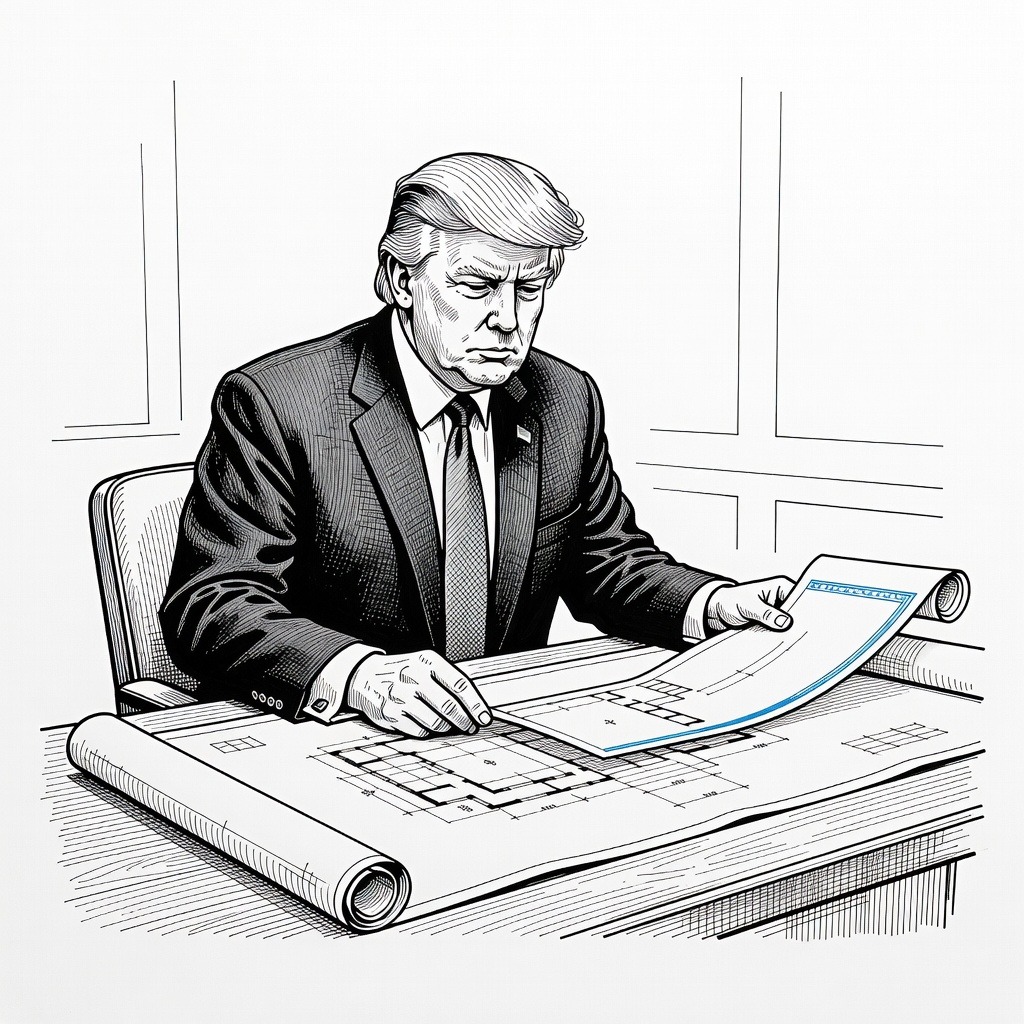
• Defend Constitutional Separation of Powers Constitutional integrity requires strict adherence to legislative checks against unilateral executive expansion. Under federal law, physical development on federal park grounds mandates explicit authorization from Congress, which was never granted for this project. Allowing the executive branch to bypass statutory mandates undermines the legislative branch’s constitutional authority over federal property. This maneuver sets a dangerous precedent where the presidency can unilaterally redevelop historic public spaces without democratic oversight.
• Dismantle Barriers to Civic Standing Public interest organizations must have meaningful legal pathways to hold the federal government accountable to preservation laws. Erecting insurmountable Article III standing thresholds effectively insulates executive actions from judicial scrutiny by denying legitimate civic watchdogs their day in court. When the court dismisses the National Trust for Historic Preservation's demonstrated harms, it creates an accountability vacuum where statutory violations cannot be challenged. Shielding executive construction behind procedural standing hurdles erodes public trust in the enforcement of federal conservation mandates.
• Prevent Irreversible Physical Overreach Permitting major structural construction to continue during active litigation creates irreversible physical facts on the ground before legality is settled. Demolishing and rebuilding sections of the White House complex creates a permanent outcome that future court rulings cannot remediate. Relying on emergency dockets to lift injunctions sidesteps comprehensive judicial review while critical legal questions remain unresolved. This dynamic risks rendering eventual legal victories meaningless if historic structures are already permanently altered.
How it may affect me
As a U.S. reader:
• The $400 million White House complex and its integrated underground national security facilities will continue construction without using public taxpayer funds due to private financing.
• Civic watchdogs and preservation groups will face stricter legal hurdles under Article III standing when attempting to challenge federal property developments in court.
• In the short term, physical changes and construction on historic White House grounds will proceed permanently before courts make a final determination on whether congressional approval was required.
• Ongoing executive security upgrades will proceed without experiencing operational delays from lower-court litigation.