
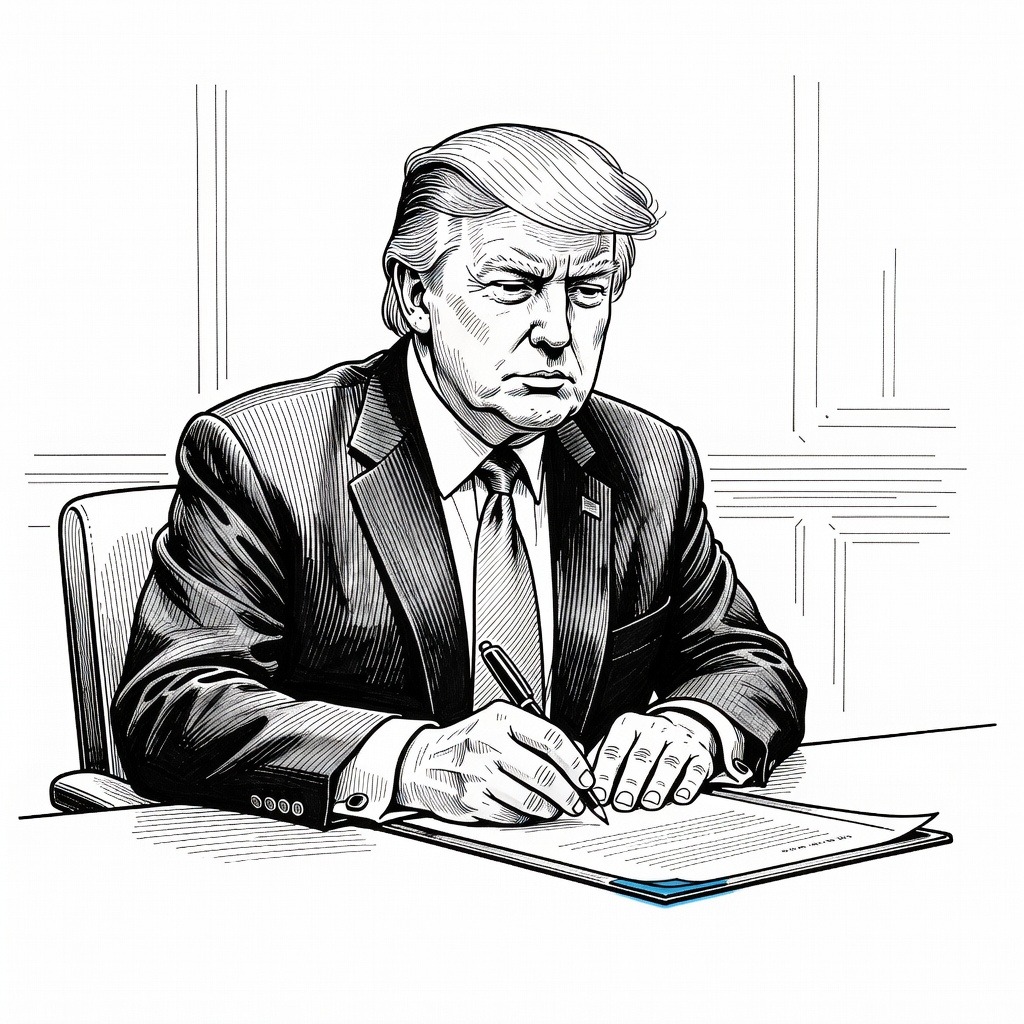
• Shield Households From Import Taxes Tariffs fundamentally operate as an aggressive consumption tax levied directly against working-class households rather than foreign governments. As retaliatory measures take effect across more than 700 American products and cross-border duties reach 50%, ordinary consumers will shoulder the immediate financial burden of higher retail and vehicle prices. Ontario Premier Doug Ford's warning underscores that breaking trade cooperation directly erodes domestic purchasing power and inflates everyday living expenses.
• Protect Integrated Production Ecosystems Decades of cross-border integration have created deeply interdependent manufacturing networks that cannot be dismantled without severe economic friction. Compound tariff costs threaten to paralyze the automotive, appliance, and construction industries by penalizing the movement of intermediate parts across borders. Forcing businesses into a 12-to-24-month cycle of capital reallocation diverts vital resources away from productive innovation merely to navigate bureaucratic trade barriers.
• Avert Critical Resource Bottlenecks Imposing punitive duties without domestic substitute capacity creates acute supply shocks for essential industrial inputs. Because domestic manufacturers remain deeply reliant on Canadian primary aluminum and energy flows that provide 60% of U.S. crude imports, rapid decoupling risks factory slowdowns and material shortages. Choking off established allied supply chains in favor of speculative foreign alternatives destabilizes basic industrial infrastructure.
How it may affect me
As a U.S. reader:
• You may face immediate price increases on retail goods, appliances, vehicles, and construction materials as tariffs ranging from 15% to 50% take effect.
• Car buyers may see vehicle prices increase further in the long term, with automotive tariffs scheduled to double starting in January 2027.
• You could experience product delays or material shortages during a 12 to 24 month transition period as companies reallocate capital and restructure supply chains for inputs like Canadian primary aluminum.
• Energy supply chains may shift as the U.S. looks to replace Canadian crude oil imports with alternative supplies, including Venezuelan oil reserves.
• If you work in or invest in domestic materials and manufacturing, you may see short-term stock gains and increased local industrial demand as businesses reshore production.