
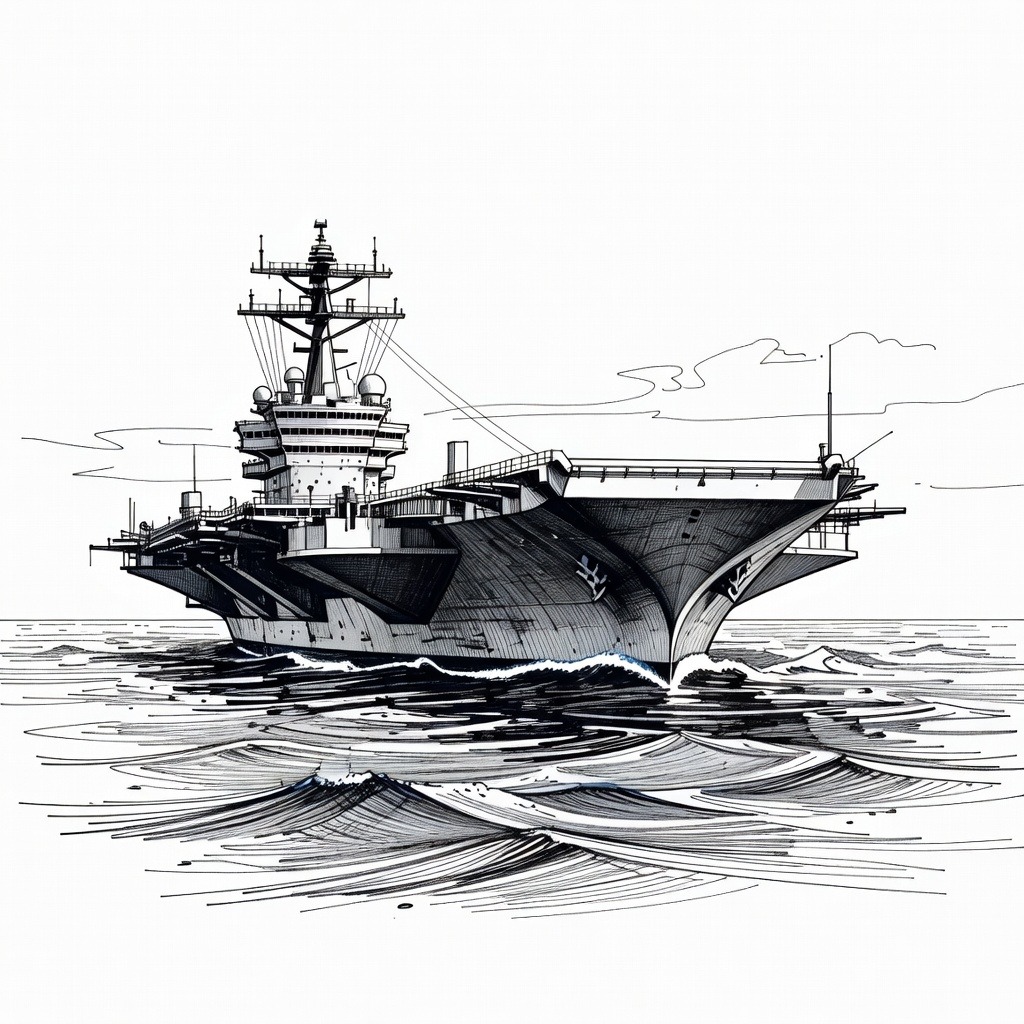
• Exposing Chronic Operational Overextension Prioritizing the human cost of global power projection reveals the dangerous toll of prolonged deployments on service personnel. Forcing a crew to endure more than 250 uninterrupted days at sea strains human endurance to a breaking point, signaling an over-reliance on military assets at the expense of troop welfare. Rest and recovery port calls, such as the scheduled stop in Thailand, are vital necessities rather than mere operational pauses.
• Highlighting Neglected Shipboard Welfare Basic standards of living and safety must remain non-negotiable, even within demanding combat theaters. Reports of food shortages, insufficient hygiene supplies, and serious safety incidents like a sailor falling overboard indicate critical supply-chain and oversight failures during extended missions. When military infrastructure fails to deliver baseline necessities, mission effectiveness inevitably degrades alongside sailor morale.
• Challenging Institutional Minimization Institutional defensiveness risks obscuring legitimate concerns regarding psychological strain and operational safety. Official statements that dismiss reports of mental health difficulties and onboard hardship threaten to suppress constructive accountability. Systemic improvements require open acknowledgment of crew stress and rigorous independent investigations rather than blanket denials of reported conditions.
How it may affect me
As a U.S. reader:
• Families and communities of naval personnel can expect the return of service members following the completion of an extended deployment exceeding 250 uninterrupted days at sea.
• U.S. strategic deterrence and naval presence in the Middle East remain continuous as the USS George Washington takes over regional operational duties.
• Ongoing reviews of reported supply shortages, safety incidents, and crew welfare concerns may influence future military oversight and shipboard support standards.
• Public discussions may center on how defense leadership balances maintaining long-term global military commitments with the health, safety, and endurance of service members.