
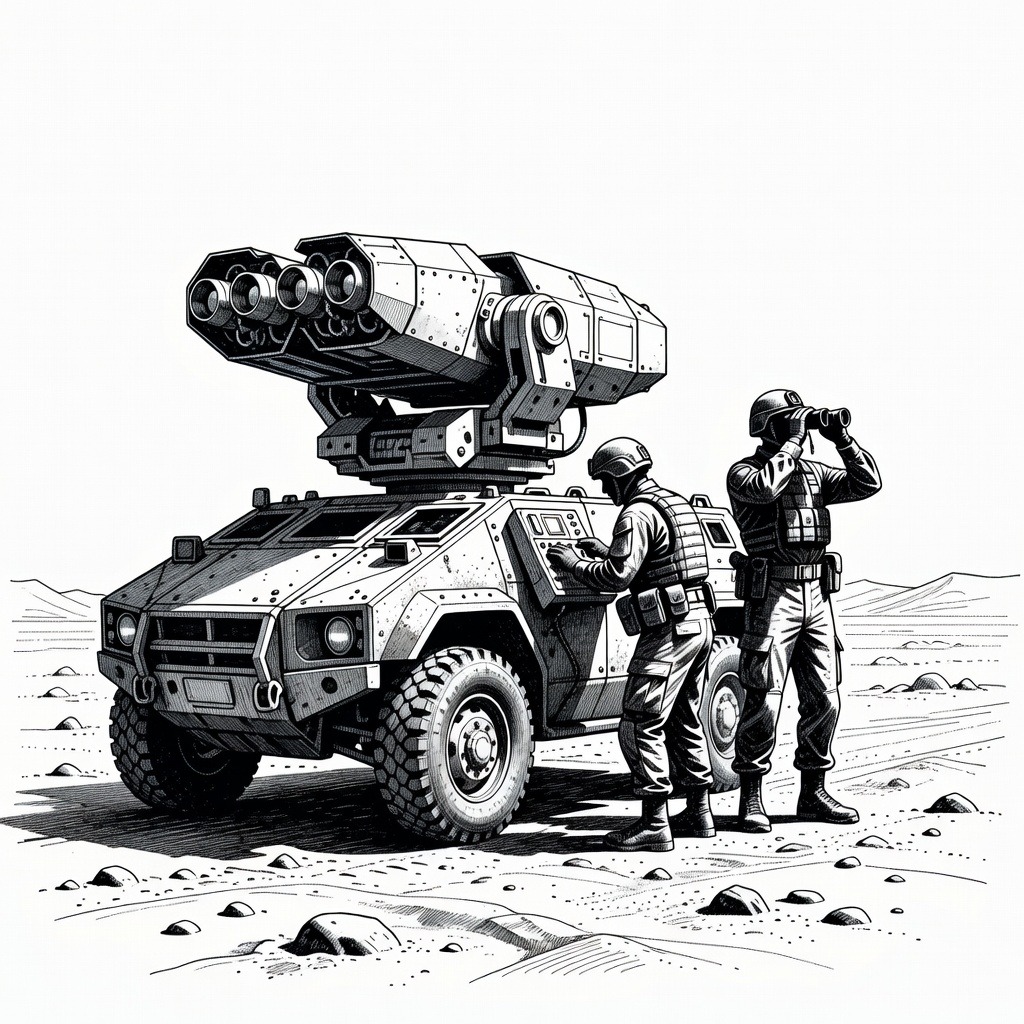
• Demilitarizing Domestic Border Governance Democratic accountability requires a strict boundary between domestic policing and active military operations. While border authorities face complex surveillance challenges, deploying high-energy military laser systems against unarmed reconnaissance drones represents an unnecessary escalation of domestic force. Counterterrorism experts note these drones are deployed for smuggling logistics rather than kinetic strikes inside the homeland, making active-duty military engagement a disproportionate response to civil law enforcement challenges.
• Mitigating Domestic Airspace Hazards Technological experimentation on sovereign borders introduces unacceptable systemic risks to civil infrastructure and commercial safety. Previous operations have already demonstrated severe operational hazards, including the accidental downing of a domestic agency's drone and regulatory disputes that temporarily closed commercial airspace near El Paso. Prioritizing military readiness over established civil aviation protocols creates direct friction between defense bodies and domestic regulators, undermining public safety.
• Challenging Unchecked Operational Secrecy Public oversight remains vital to preventing executive and military overreach during domestic deployments. Withholding key operational details—such as specific intercept locations and targeted cartel identities—under the blanket justification of security shields joint military task forces from democratic scrutiny. Institutional stability relies on total transparency and rigorous civilian oversight whenever military assets are deployed to enforce domestic policy.
How it may affect me
As a U.S. reader:
• Commercial airline passengers in southern border regions could face short-term flight delays or temporary airspace closures caused by military laser operations.
• The public may see disruptions to illicit narcotics, weapons, and human smuggling operations as military systems counter cartel reconnaissance networks.
• Citizens will experience limited transparency and oversight regarding domestic military activities, as specific intercept locations and operational details are withheld for security reasons.
• Domestic aviation and border agencies may face operational hazards, including risks of accidental drone downings during military laser engagements.